
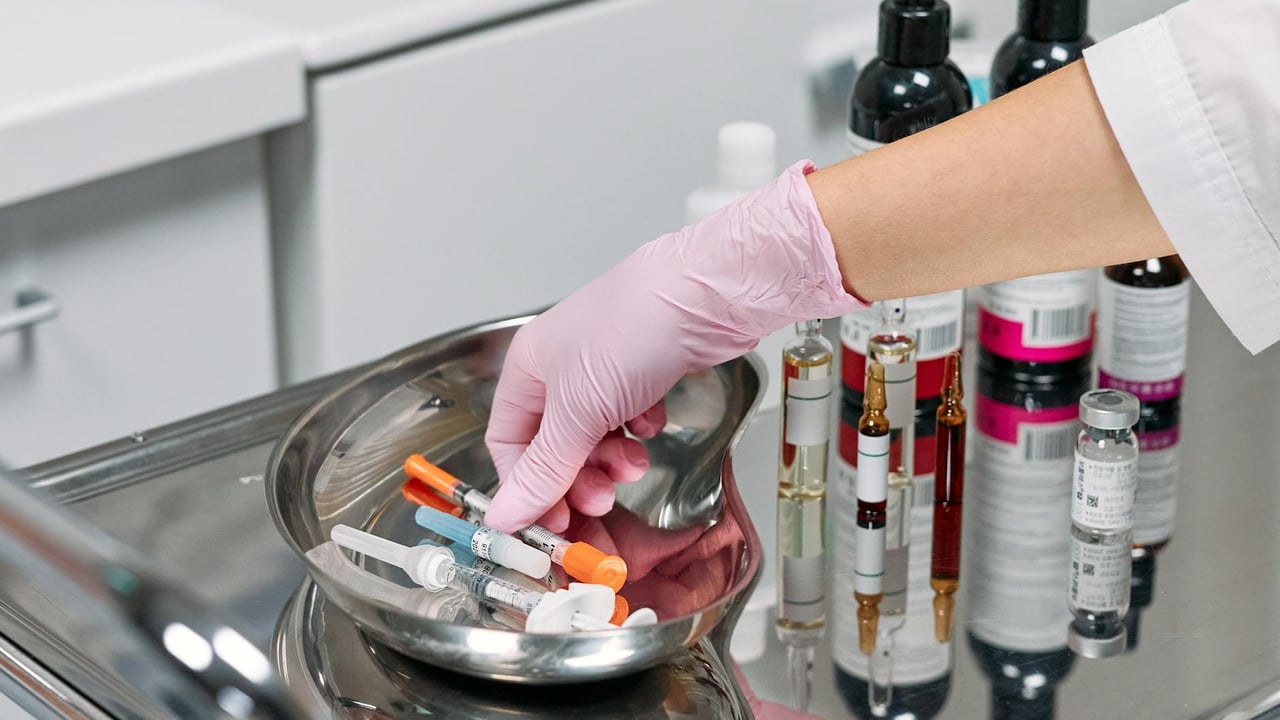

In the gilded corners of China’s private clinics and even within the hallowed halls of its top-tier public hospitals, a secretive and expensive trend is taking hold. Wealthy consumers are paying anywhere from 10,000 to 400,000 RMB (approximately $1,400 to $55,000) for a single infusion of mesenchymal stem cells. Marketed as a panacea for aging, these injections promise to reverse the biological clock, boost immunity, and prevent chronic disease, despite a glaring lack of regulatory approval or scientific consensus.
Investigation reveals a sprawling "gray market" where beauty salons, private medical firms, and rogue doctors operate with near-impunity. While China has emerged as a global leader in regenerative medicine research, the National Medical Products Administration has yet to approve a single stem cell product specifically for anti-aging. This regulatory vacuum has allowed a shadow industry to flourish, often leveraging the prestige of legitimate medical institutions to sell unproven and potentially hazardous treatments to the affluent and the health-conscious.
The corruption extends deep into the public healthcare system, where some senior physicians reportedly act as middlemen. In one instance, a doctor at a prominent hospital in Shandong province allegedly receives kickbacks for referring patients to private cell companies. These procedures are often conducted in makeshift settings, such as hospital side rooms or even private offices, bypassing official registration and oversight. This collusion not only drains the bank accounts of hopeful patients but also erodes the professional integrity of the country’s medical frontline.
Scientific experts remain deeply skeptical of the "miracle" claims touted by these commercial entities. While animal studies have shown promise in tissue repair and inflammation reduction, high-quality human data for anti-aging remains non-existent. Scientists point out that many patients report feeling "refreshed" after infusions simply because the process mimics a blood transfusion, providing a temporary physiological lift that has little to do with long-term cellular rejuvenation. Furthermore, the definition of "aging" itself remains a subject of intense academic debate, with no universally accepted biomarkers to measure the efficacy of such treatments.
Beyond the questionable efficacy lies a more sinister reality of safety risks. Many low-end "cell workshops" operate with rudimentary equipment and lack the stringent sterile environments required for cell preparation. This raises the specter of viral contamination, including Hepatitis B and HIV, or the accidental introduction of bacterial pathogens. There is also a theoretical risk of tumorigenesis, where stem cells may aggregate and grow into tumors within the recipient’s body, a concern that has been observed in some animal models but remains under-researched in humans.
China’s regulators are beginning to tighten the noose, with the National Health Commission recently reiterating that non-medical institutions like beauty salons are strictly prohibited from performing these procedures. However, the "dual-track" management system—where cells are treated as both drugs and medical technologies—creates loopholes that savvy operators continue to exploit. As the commercial allure of eternal youth clashes with the slow pace of clinical validation, the burden of risk falls squarely on the shoulders of the consumer.