
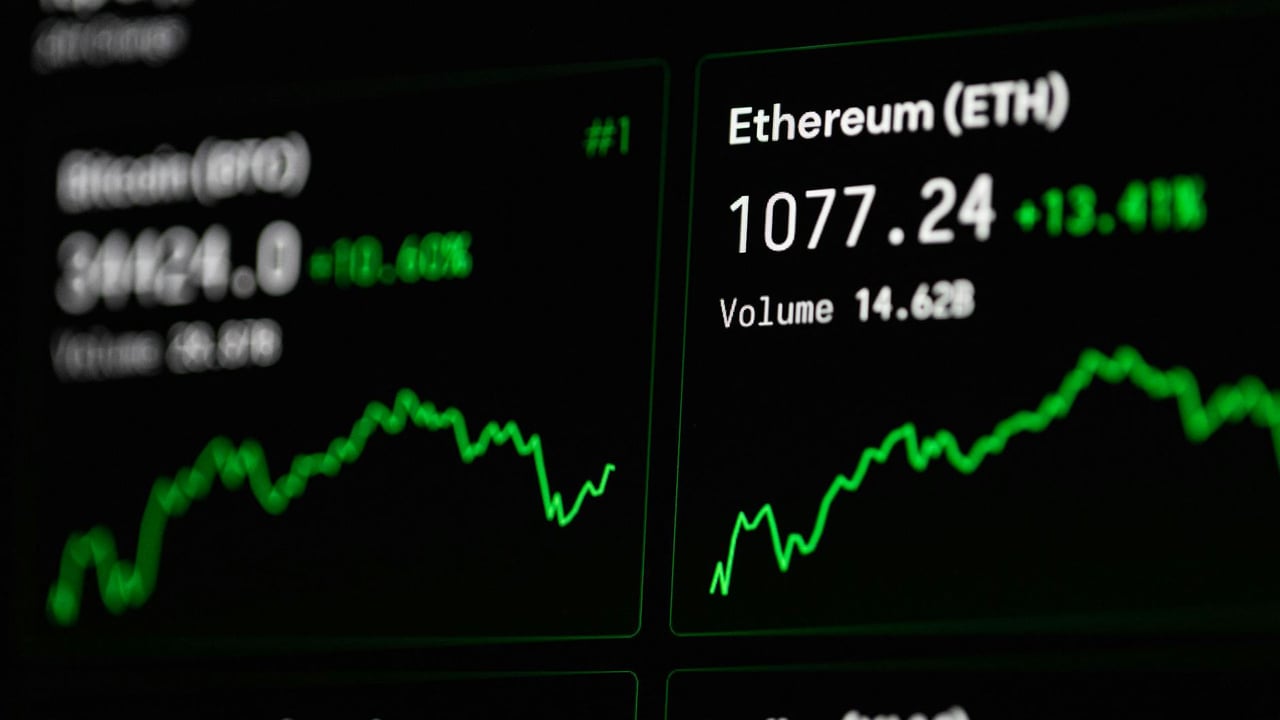

Bitcoin fell below $88,000 on Jan. 21, sliding roughly 5% over the trading day and underscoring the digital asset’s continued sensitivity to market swings. The move punctuated a period of heightened price churn in which sharp intraday reversals have become commonplace, even as institutional interest and retail attention remain elevated.
The decline amplified anxiety among traders who had grown accustomed to steadier gains in recent months. Market participants pointed to a mix of technical profit-taking, elevated leverage in derivatives markets, and thin liquidity at pivotal price levels as reasons the plunge propagated quickly through futures and spot venues.
This episode matters beyond the immediate loss of nominal value. Bitcoin’s price action often functions as a risk barometer for the broader crypto ecosystem: sustained drops can trigger liquidations on margin positions, strain smaller exchanges and service providers, and slow flows into spot-exchange-traded products that have underpinned recent institutional adoption.
Macro conditions add a further layer of uncertainty. With global central bank policy, dollar dynamics and risk sentiment still in flux, digital assets remain vulnerable to cross-asset moves. Any deterioration in risk appetite among leveraged investors would likely magnify future corrections, while renewed inflows or positive regulatory signals could quickly reverse sentiment.
For long-term holders, episodic dips are familiar; for newcomers and leveraged traders, they are a reminder of intrinsic volatility. Market observers will be watching liquidity in major venues, changes in on‑chain metrics such as exchange balances and outflows to custody, and flows into regulated products to judge whether this drop is a transient wobble or the start of a broader correction.
Ultimately, the episode highlights the dual nature of Bitcoin today: it is both an increasingly mainstream financial instrument and an asset class still governed by sharp technical moves and variable market structure. How investors, regulators and intermediaries respond to such episodes will shape whether Bitcoin’s path forward is toward stabilized maturation or recurring spasms of volatility.