
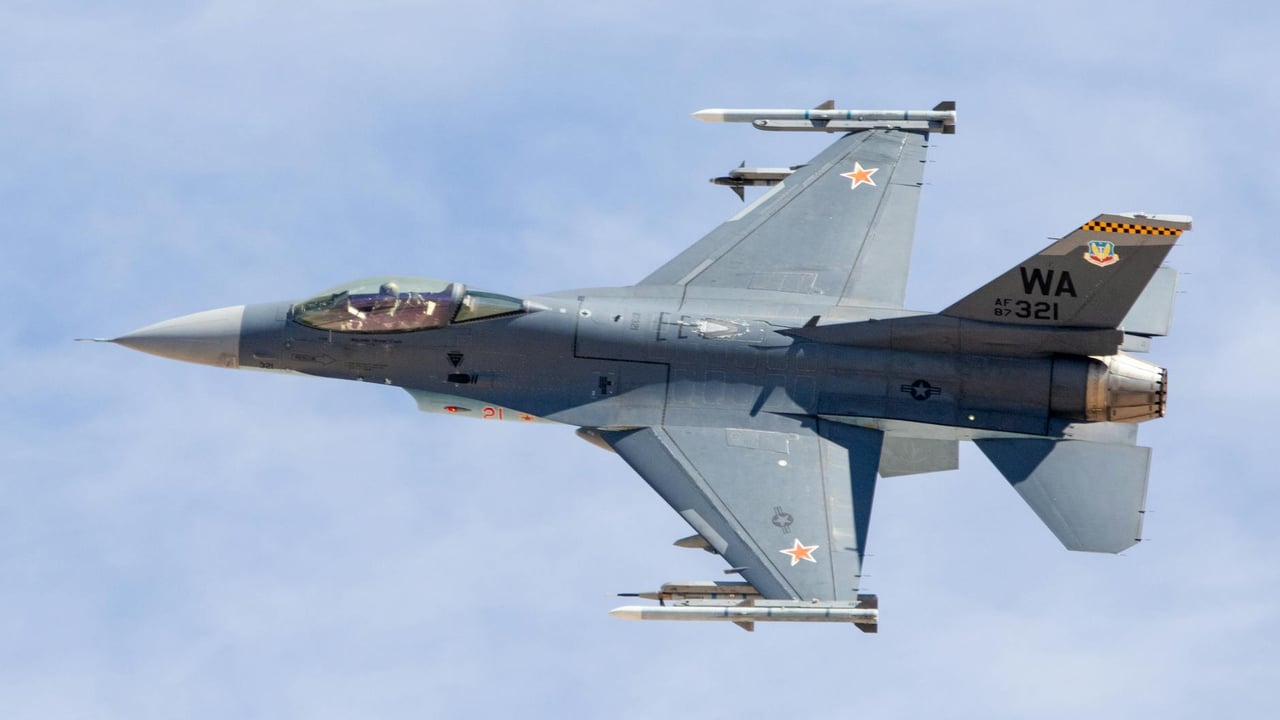

High‑resolution images released by state media show aircraft of a Southern Theater Command air brigade conducting multiple batches of intensive, cross‑day‑and‑night flight training designed to sharpen all‑weather combat skills. The exercises were described by official outlets as “full‑element” and high‑intensity, language Beijing commonly uses to signal integrated operations and continuous sortie generation.
The phrasing — multi‑batch, full‑element, cross‑day‑and‑night — implies a training pattern that sustains sorties across the 24‑hour cycle and involves diverse platforms and supporting elements rather than isolated flight drills. Such training aims to build pilot endurance, improve night and adverse‑weather proficiency, and knit together command, reconnaissance, logistics and electronic‑warfare capabilities under realistic operational pressures.
The drills took place under the Southern Theater Command, which is responsible for the South China Sea and the adjacent maritime approaches. In recent years that command has been at the centre of Beijing’s efforts to tighten control over contested waters and to demonstrate the People’s Liberation Army’s ability to operate in higher‑tempo scenarios near Taiwan and other regional flashpoints.
This sortie tempo and focus on round‑the‑clock readiness reflect broader trends inside the PLA: a sustained push for more realistic, integrated training as new platforms and doctrines are introduced. For international observers, the images and wording carry a dual message — an internal emphasis on combat readiness and an external signal that China is stepping up its ability to project air power and sustain operations when required.
State media coverage of such exercises tends to be short on technical detail and operational metrics, which complicates independent assessment of exact capabilities and the scale of integration. Nonetheless, repeated releases of similar imagery and descriptions over recent years indicate that high‑intensity, integrated flight training is becoming institutionalized within China’s theatre commands as a routine element of peacetime preparation.