
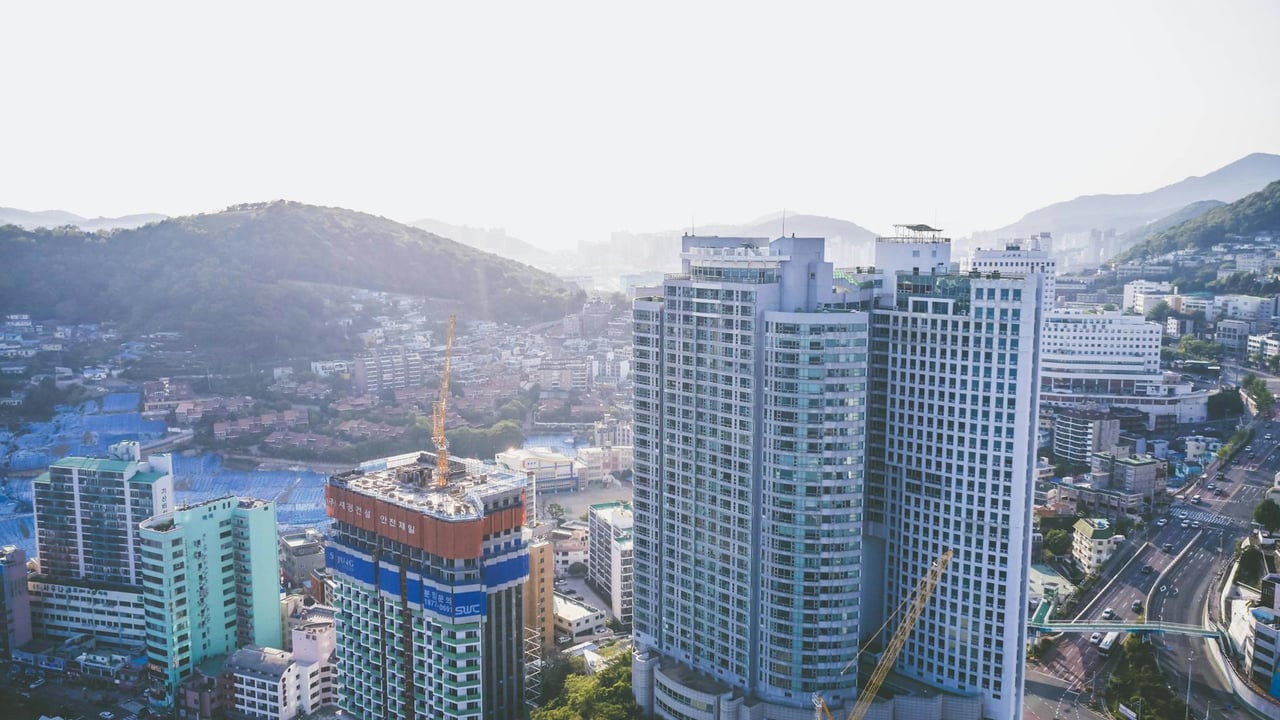

China’s housing ministry has placed urban renewal and the refurbishment of ageing residential quarters at the centre of its 2026 housing agenda, pitching renovation as a fresh engine of investment and consumption. In an extended interview, Minister Ni Hong framed the work as a national priority that must run in parallel with building new, higher‑quality homes, promising targeted support for both developers’ reasonable financing needs and households’ rigid and improvement housing demand.
The ministry has identified three immediate priorities for city renewal: continued remediation of unsafe and deteriorating urban neighbourhoods, comprehensive development of “complete communities” to fill public‑service gaps, and the creation of micro public spaces such as community and pocket parks. Practical problems residents regularly complain about — parking, EV charging infrastructure, aging‑friendly retrofits, and amenities for both the elderly and children — will be given special attention as part of the upgrade push.
On the market‑stability front, Ni reiterated Beijing’s commitment to “city‑by‑city” and precision policy, and to leveraging the real‑estate financing “white‑list” to channel credit to viable projects. Institutional changes are also being rolled out: a project company model for developers, a lead‑bank (sponsoring bank) system for construction loans, and a move toward selling completed units rather than long‑dated pre‑sales so buyers get “what they see is what they buy.”
A central pillar of the ministry’s narrative is the drive to produce more “good homes.” Ni set out five benchmarks — clear standards, better design, improved materials, superior construction methods, and robust operations and maintenance — and flagged specific regulatory upgrades. Minimum floor‑to‑ceiling heights will rise from 2.8 metres to not less than 3 metres, elevator installation will be mandatory for buildings of four storeys and above, and rules will address soundproofing, elevator mobile‑signal continuity and other quality attributes.
For international observers the policy package sends several signals. It confirms Beijing’s priority to stabilise a property sector that has been a drag on growth since 2020, while attempting to avoid a blunt, economy‑wide stimulus. Urban renewal is presented as a ‘‘blue‑ocean’’ opportunity that can simultaneously upgrade living standards, stimulate demand for materials and appliances, and create jobs in construction and services without fuelling renewed speculative excess in housing prices.
The plan also presents trade‑offs. Requiring higher standards and retrofits will raise costs for developers and for communities negotiating who pays for upgrades. Shifting to completed‑unit sales reduces buyer risk but can squeeze developer cash flows unless financing channels are predictably available. The white‑list approach to lending will favour larger, creditworthy builders, potentially squeezing smaller firms and widening regional disparities in implementation.
If executed at scale, the agenda could reroute a portion of China’s property investment from greenfield land sales and speculative projects into quality refurbishment, community services and urban public space. That would benefit makers of elevators, insulation and advanced building materials, as well as sectors tied to household upgrades. Implementation hurdles — fiscal burdens on local governments, disputes over cost allocation in retrofit projects, and uneven access to bank financing — will determine whether the rhetoric translates into sizeable, sustained demand and real improvements in urban living.