
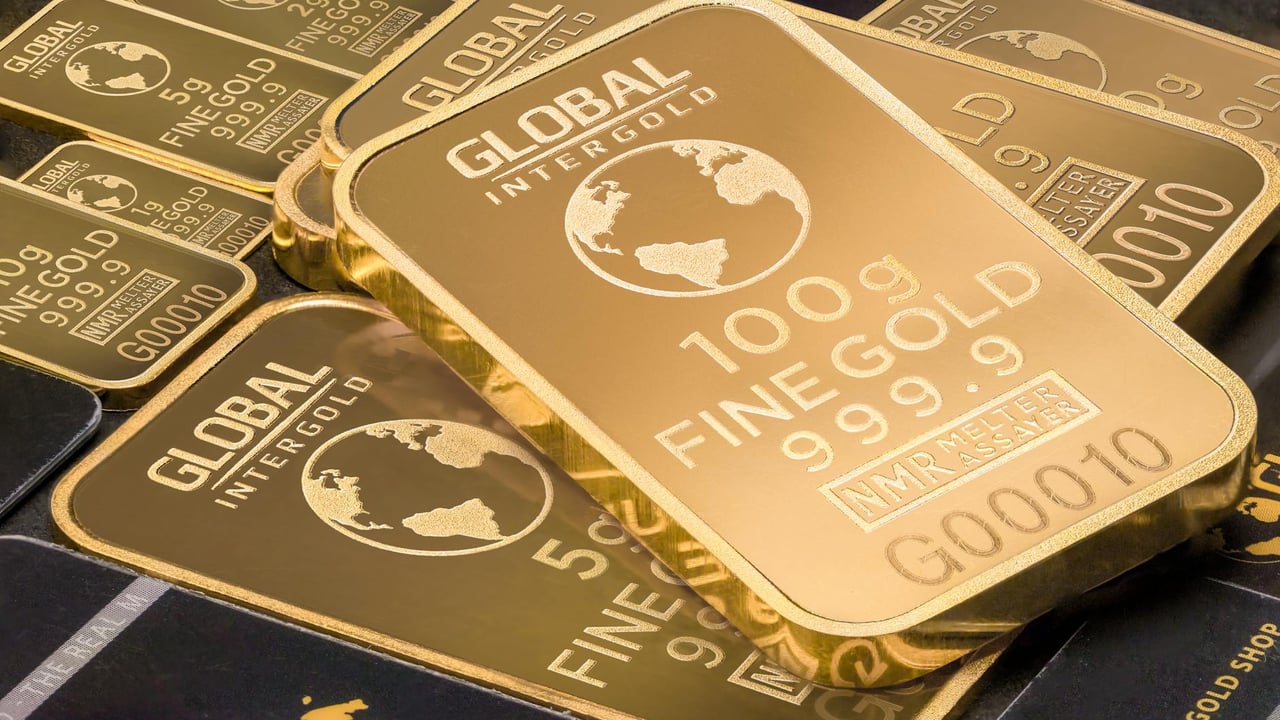

A sharp move in the gold market has begun to reverberate through Chinese retail and global reserve halls alike. In early Asia trade on January 21, spot gold pushed above the $4,800-per-ounce mark, and several domestic retailers reported one-gram prices for pure gold jewelry approaching or exceeding 1,500 yuan.
Major Chinese retailers showed the immediate consumer impact. Chow Sang Sang listed 24K pieces at 1,495 yuan per gram, Lao Feng Xiang at 1,498 yuan, and Laomiao at 1,493 yuan; China Gold posted a price that breached 1,500 yuan and reached 1,506 yuan per gram. Those figures mark roughly 38–42 yuan-per-gram increases since January 20, underscoring rapid pass-through from bullion markets to storefronts.
The bullion rally has been dramatic: spot gold is more than $200 higher on the week — nearly a 4% jump — and up more than 11% year-to-date, roughly $500 above levels from a year earlier. The price surge is drawing attention beyond retail counters because it coincides with central-bank and institutional moves that could sustain demand for precious metals.
Poland’s central bank has approved a plan to buy up to 150 tonnes of gold, a purchase that would lift the country’s official reserves to about 700 tonnes. That decision, reported on January 20, fits a broader pattern of reserve managers rethinking exposure to sovereign debt and the dollar amid rising geopolitical and trade tensions.
Market strategists point to a cluster of catalysts. New U.S. tariffs on European goods have reignited trade risk premia, boosting safe-haven demand. A high-profile criminal case against Federal Reserve Chair Jerome Powell has unnerved markets by calling attention to potential strains in institutional independence. At the same time, Denmark’s pension funds moving out of U.S. Treasury holdings and Poland’s planned gold acquisitions are tangible examples of reserve diversification away from bonds.
Analysts at Dongwu Futures and Zheshang Futures also highlight shifting monetary expectations: growing market bets on future Fed easing, combined with ample liquidity and a relatively stable domestic policy backdrop in China, are amplifying interest in precious metals. They advise watching the next Fed chair selection, the course of U.S.-EU tariff tensions, and geopolitical developments in South America and around Greenland for their potential to sustain risk-off pressure.
The practical consequences are mixed. For consumers and jewelers, a sustained gold price means higher retail prices and potential demand compression among price-sensitive buyers. For central banks and institutional investors, renewed accumulation of bullion signals a deliberate shift in reserve strategy that could, over time, alter demand for hard currency assets and sovereign debt markets.
For markets more broadly, the rally is a barometer of two connected uncertainties: trade-and-geo risk and doubts about the credibility or independence of central banking in stressed political environments. If those uncertainties persist, gold’s role as an insurance asset will attract further inflows; if they ease, the metal could surrender some of its recent gains.
Investors and policymakers should therefore read current price action not as a singular event but as an indicator of broader portfolio and geopolitical recalibration. The next moves by major central banks and the resolution — or escalation — of trade disputes will determine whether gold’s ascent is a durable trend or a tactical repricing in a volatile window.