
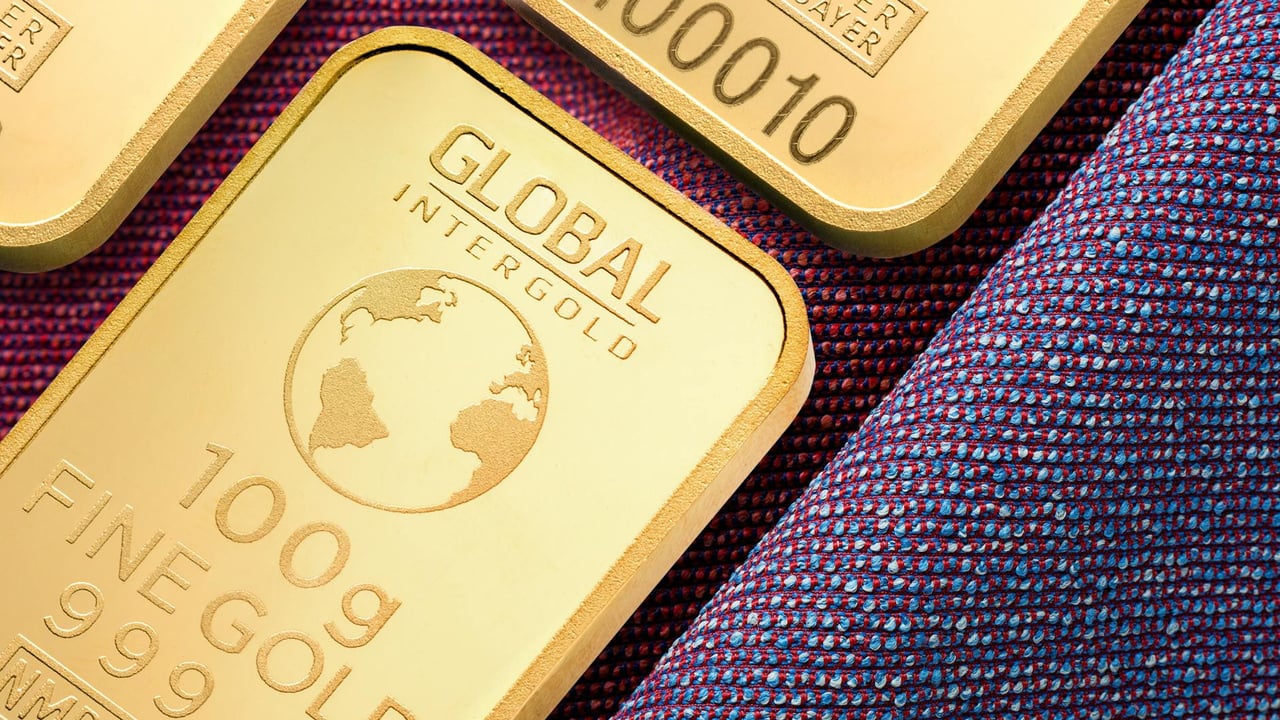

After a run-up in gold and silver, another metal has surfaced as a social-media sensation in China: one-kilogram copper bars being pitched as an inexpensive way for retail investors to buy the metal. Vendors in Shenzhen's Shuibei jewellery district have been advertising 1,000-gram copper bars for 180–288 yuan, attracting a stream of online inquiries and a handful of small purchases.
A reporter's visit to several trading counters in Shuibei on January 20 found the bars were not openly displayed; mall management had ordered counters to remove them. Still, some shopkeepers said sales had only just begun and that customers could prepay and have bars delivered from factories, while courier outlets confirmed a small number of shipments have taken place recently.
The craze has real market fuel behind it. Copper prices have been strong: London Metal Exchange (LME) copper hit a record high of $13,407 per tonne in mid-January and domestic copper futures have risen above 100,000 yuan per tonne. Wall Street banks have framed copper as a strategic commodity for the electrification and AI-driven eras, pointing to grid upgrades, electric vehicles, data centres and robotics as structural demand drivers.
But selling a commodity at retail unit sizes changes the economics. Sellers told the reporter that the physical cost for a one-kilogram bar is only "a hundred-odd yuan," yet retail prices commonly carry steep mark-ups. Simple arithmetic highlights the problem: at 200 yuan per kilogram, the embedded cost implies a break-even copper price of roughly 200,000 yuan per tonne once premiums and resale discounts are considered — about double prevailing spot prices.
Liquidity and price discovery are the bigger hurdles. Unlike gold and silver, which have banks, jewellery shops and established secondary markets with transparent buyback rules, copper bars lack an industry-wide recycling or buyback standard. Several vendors said they could not guarantee buyback; the only realistic exit route for many buyers is selling to scrap recyclers at an opaque discount.
That mismatch — between a widely touted long-term industrial demand story and the practicalities of storing and monetising small physical lots — explains why some market participants call "investment copper bars" a marketing gimmick. Social media accelerates adoption by highlighting low entry costs, but it does not create the infrastructure investors need: transparent pricing, standard quality marks and reliable redemption channels.
Regulators and mall operators have already shown ambivalence. Shuibei's directive to remove copper bars from counters signals concern about consumer protection and market order. If the trend continues, more formal rules may follow to curb misleading marketing or require clearer disclosure of buyback terms.
Copper's strategic importance to electrification and high-tech manufacturing is real, but that macro narrative does not automatically translate into a sensible retail product. For most international and Chinese retail investors seeking copper exposure, futures, exchange-traded funds and positions in industrial companies remain the more liquid and transparent ways to participate than buying one-kilogram bars with uncertain resale options.