
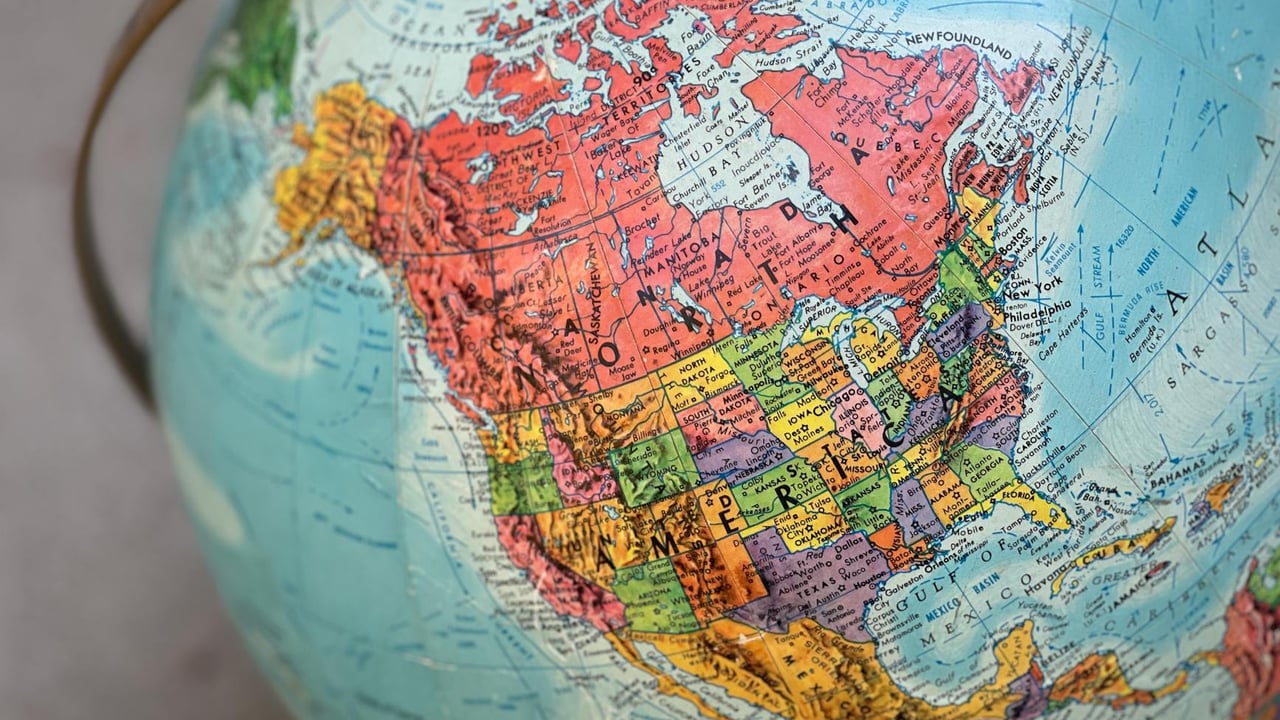

On Jan. 20, two senior Canadian government officials disclosed that the Canadian Armed Forces recently ran a simulation that modeled a hypothetical U.S. military “invasion” of Canada and produced contingency plans to respond. At the same time Ottawa has publicly reaffirmed its support for Denmark and Greenland amid renewed U.S. interest in the island, signaling a more assertive posture on sovereignty and Arctic politics.
The exercises — described by Canadian sources as the first of their kind in about a century — were not billed as preparations for imminent conflict. Rather, they appear designed as a strategic message: Ottawa is refreshing its defense planning against a broader, revisionist shift in hemispheric competition and is willing to demonstrate readiness to defend territory and interests.
Chinese commentator Su Xiaohui, writing in the original coverage, framed Canada’s moves as a reaction to what Ottawa sees as an American attempt to reshape Western Hemisphere strategy with a tilt toward territorial and resource-driven expansion. Whether characterized as a modern Monroe Doctrine or an electoral-era “Trumpian” impulse, the concern in Ottawa is that Washington increasingly prioritizes direct control over regional resources, trade routes and critical infrastructure.
That anxiety is reinforced by a growing sense in Canada that the bilateral relationship has become one of structural dependence exploited by the United States for leverage. Ottawa’s complaints about tariffs, trade pressure and “strategic bundling” are now being matched by clearer contours of strategic autonomy — not rupture, but hedging against being taken for granted as a junior partner.
The Greenland episode crystallises those tensions. Greenland’s strategic location and resources have elevated its geopolitical value, and Canada’s public siding with Denmark reflects both a principled defence of allied sovereignty and a practical bid to keep Arctic affairs multilateral. By signalling solidarity with Denmark and preparing for extreme contingencies, Ottawa is seeking to deter unilateral manoeuvres that could redraw regional realities.
The practical implications are significant. The simulation will reverberate through NATO planning, Arctic cooperation forums and bilateral military-to-military channels with Washington, even if policymakers in Ottawa remain cautious about openly escalating rhetoric. Expect a mix of intensified defence planning, closer alignment with European partners on Arctic governance, and careful diplomatic engagement to prevent miscalculation with the United States during a period of heightened geopolitical competition.