
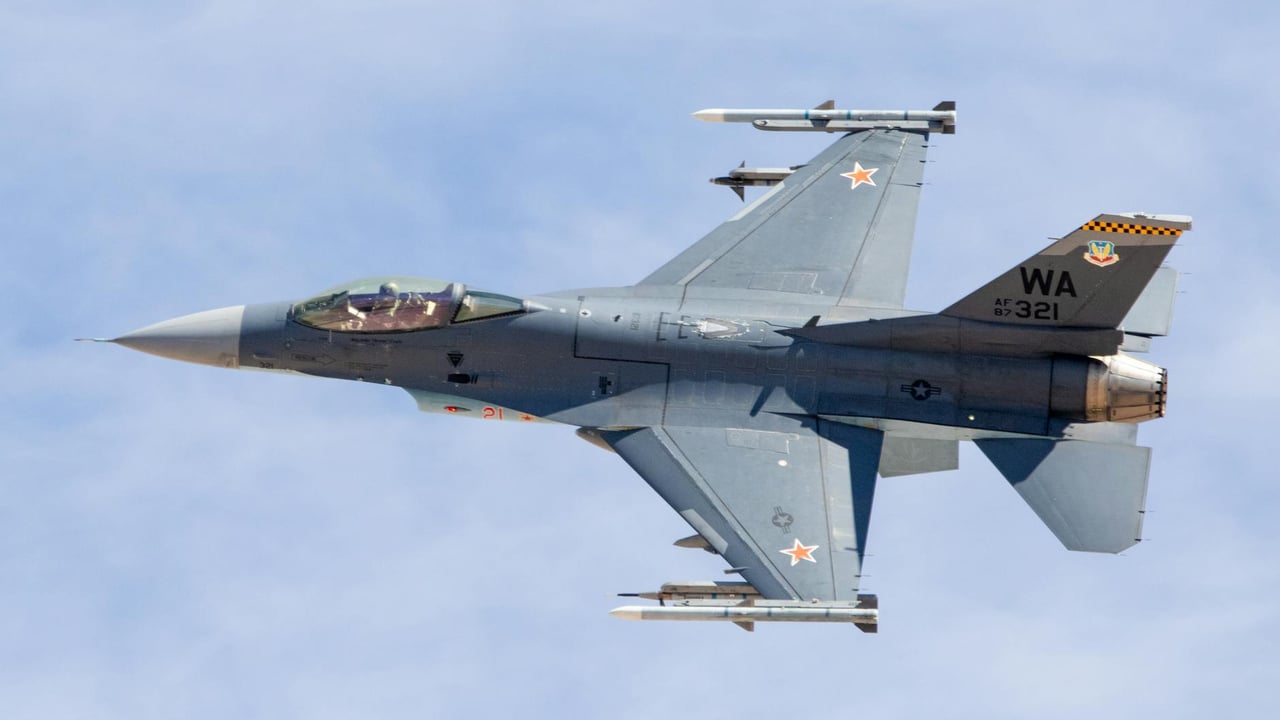

State media imagery released this week shows an aviation brigade of the People’s Liberation Army Southern Theater Command conducting multi-batch, full-element, high-intensity cross–day-and–night flight training, with fighter formations described as “piercing clouds and fog.” The brief report, carried by outlets including People’s Daily and CCTV and republished on commercial platforms, emphasized round‑the‑clock, all‑weather drills aimed at sharpening the unit’s combat skills.
The exercise is consistent with a longer-term PLA emphasis on realistic, integrated training. Night and adverse-weather flight proficiency raises sortie sustainability and complicates an adversary’s ability to surveil, track and deter air operations. By rehearsing across the day–night cycle, the Southern Theater is improving pilots’ readiness for operations in the South China Sea and adjacent approaches where contested air and maritime spaces, along with complex meteorology, are common.
The choice of the Southern Theater for publicity is notable. That command covers the South China Sea and the approaches to Taiwan — regions where Beijing’s growing patrols and exercises have become a recurring source of regional tension. The publicised drills serve a dual purpose: they are plausible maintenance of operational proficiency and a deliberate signal to regional audiences that China is intensifying its ability to operate continuously and in degraded conditions.
At the same time, the imagery and terse captions reveal little about technical upgrades, weapons loadouts or doctrines being practised. State photographs are an efficient way to convey capability without exposing sensitive details, and they fit a pattern of selective transparency: routine‑looking exercises amplified to demonstrate competence and resolve to domestic and foreign audiences alike.
For neighbouring militaries and external observers, the practical effect is incremental: more frequent and sophisticated night sorties increase the demands on regional air surveillance and raise the operational tempo for routine monitoring. Politically, the drills reinforce Beijing’s narrative of improving national defence and normalising higher‑tempo operations in strategically sensitive waters.
Viewed in aggregate with other recent displays of PLA activity, the Southern Theater’s advertised night‑and‑weather training is part of a broader modernization drive aimed at greater readiness, jointness and day‑and‑night operational endurance. While the report does not indicate a sudden shift in policy, it illustrates how training and publicity work together to sustain a more assertive, always‑ready posture.