Hamas Says It Has Supplied Information on Last Israeli Deceased; Accuses Israel of Obstructing Search Efforts

Hamas says it has provided all information it holds on the remains of the last Israeli detainee and accuses Israel of obstructing searches in areas behind the "yellow line." Mediators must verify the information and secure access for search teams; how that process unfolds will affect ceasefire implementation, hostage‑return mechanics and humanitarian operations.

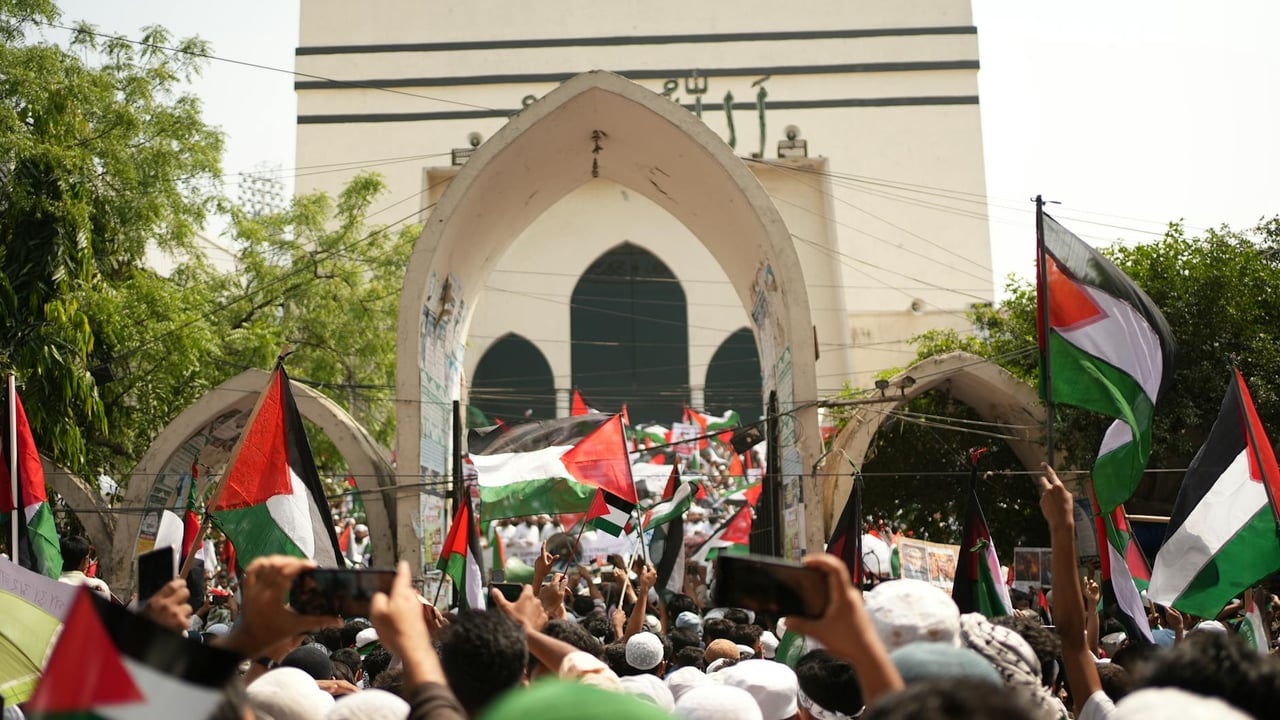
A large pro-Palestinian protest in Dhaka, Bangladesh with flags and banners.

Key Takeaways

  • 1Hamas claims to have supplied all information it possesses on the last Israeli deceased and says it is cooperating with search efforts.
  • 2Hamas accuses Israel of deliberately obstructing searches in areas behind the "yellow line," alleging this is being used to shirk first‑phase ceasefire obligations.
  • 3Mediators (notably Qatar and Egypt) are expected to verify information and coordinate further searches, a process complicated by security, access and political rivalry.
  • 4Recovery or continued failure to recover the body could accelerate or stall subsequent phases of the ceasefire and related humanitarian measures.

Editor's
Desk

Strategic Analysis

Hamas’s statement serves multiple purposes: it signals willingness to cooperate on a highly sensitive humanitarian matter while simultaneously shifting responsibility for any continued failure to recover remains onto Israel. That dual message is aimed at international audiences, the negotiators and local constituencies. For mediators, independent verification is now the crux—if they can confirm the information and facilitate a search, it would create momentum for the next steps of the ceasefire and reduce domestic pressure on Israel to deliver concessions without reciprocity. If verification proves impossible or inconclusive, the issue will likely be politicized on both sides, becoming another bargaining chip that slows humanitarian relief and reconstruction. In short, this episode underscores how even the retrieval of remains is inseparable from the strategic calculus of warfare, diplomacy and domestic politics in the Israel‑Gaza arena.

China Daily Brief Editorial
Strategic Insight
China Daily Brief

Hamas spokesman Hazim Qassem announced on January 21 that the movement has handed over all information it holds regarding the remains of the last Israeli detainee and is cooperating “positively” with search efforts. Qassem said Hamas is in close contact with various Gaza factions and is keeping mediators updated in real time, and that it stands ready to continue working with mediators and guarantor states to locate the body.

In the same statement Qassem strongly accused Israeli forces of repeatedly obstructing searches conducted in the area behind the so‑called "yellow line," alleging that Israel is deliberately using the claim that the body has not been found as a pretext to avoid obligations in the first phase of the ceasefire agreement. The allegation frames the recovery mission not merely as a humanitarian task but as a point of contention in the implementation of negotiated steps between the parties.

The disclosure sits within the broader, delicate architecture of ceasefire and hostage‑return arrangements that mediators—most prominently Qatar and Egypt—have been trying to enforce. Recovering the remains of the dead is both a humanitarian imperative for families and a political lever in negotiations: confirmations or delays can accelerate or stall prisoner exchanges, aid flows and further de‑escalation measures.

Operationally, searches for remains in Gaza are complicated by shifting front lines, security risks, destroyed infrastructure and the need for carefully arranged deconfliction between armed actors and search teams. Verifying Hamas’s information will require independent access or mediator‑supervised searches in areas that each side may characterize differently, and such missions are vulnerable to interruptions, competing narratives and shadowy local dynamics.

The dispute over who is impeding searches matters beyond the immediate tragedy. If mediators can validate the information and recover the remains, it could unlock parts of the ceasefire’s next phase and ease international pressure on mediators and parties alike. Conversely, a protracted verification fight risks becoming another wedge that frustrates humanitarian relief, hardens public opinion on both sides and gives political actors incentives to trade blame rather than make concessions.

Share Article

Related Articles

📰
No related articles found