

President Donald Trump announced on social media that he and NATO Secretary‑General Mark Rutte have agreed on a framework for future cooperation over Greenland and the wider Arctic, and that he will not impose previously scheduled tariffs set to take effect on February 1. Trump said the United States will delegate negotiations to Vice‑President Vance, Secretary of State Rubio, special envoy Steve Wittkoff and other officials, portraying the development as a diplomatic win that would benefit the United States and all NATO members.
A NATO spokesperson later described the meeting between Trump and Secretary‑General Rutte as productive and confirmed discussions on the critical importance of Arctic security for the entire Alliance. NATO officials said further talks among allies will concentrate on collective measures to ensure the security of the Arctic, with particular emphasis on collaboration through the seven countries with Arctic territory.
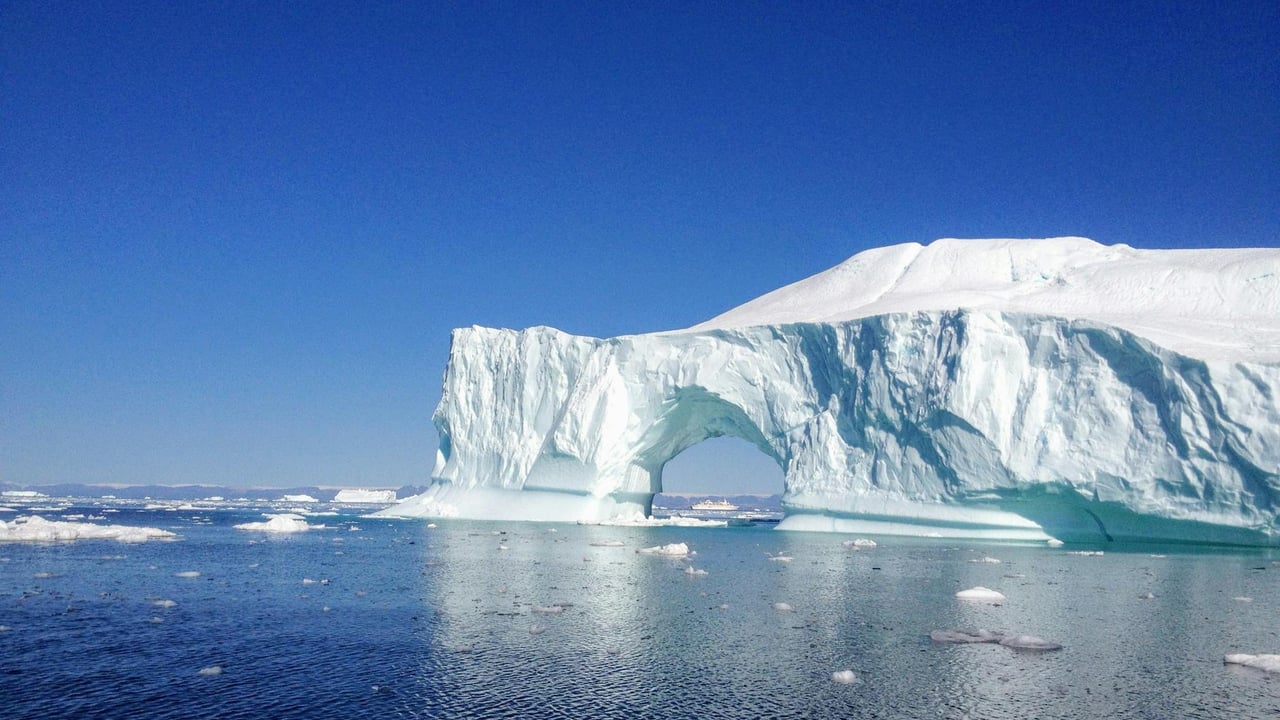
The announcement is significant because Greenland sits at the geographic centre of North Atlantic and Arctic strategic lines, and the Arctic is rapidly rising up international agendas. Melting ice is opening shipping routes, and the region is the focus of intensified military activity, infrastructure build‑outs and resource interest from Russia, China and Western states; any NATO framework that deepens Alliance coordination in the region would change the balance of political and security dynamics there.
Trump’s decision to shelve tariffs scheduled for February 1 removes an immediate economic irritant and offers a short‑term diplomatic gesture that could ease tensions with NATO partners. The public naming of his negotiators — some of whom are better known for domestic politics and business ties than traditional diplomacy — underlines the unconventional personnel choices of this administration and raises questions about how durable and detailed the proposed framework will be.
There are practical and political hurdles ahead. Greenland is part of the Kingdom of Denmark and any substantive arrangements will require Copenhagen’s consent and buy‑in from Greenlandic authorities, which have distinct political priorities and autonomy aspirations. The announcement is also thin on specifics: the statement describes a “framework” without detailing commitments on bases, infrastructure, investment screening, resource exploitation or legal arrangements.
For Beijing and Moscow the NATO push into Arctic security is unlikely to be welcomed. China has framed itself as a “near‑Arctic state” and has sought scientific, commercial and investment footholds in polar regions, while Russia has reinforced its military posture in the Arctic. A NATO coordination mechanism that binds member states closer together on basing, intelligence‑sharing and maritime control would be designed explicitly to limit those actors’ freedom of action.
What matters now is substance and follow‑through. A public headline about an agreed framework and a suspended tariff deadline is a diplomatic opening, but converting that into enduring policy will require formal agreements among NATO members, clear roles for Denmark and Greenland, and concrete decisions on basing, infrastructure and investment screening. Observers should watch for official communiqués, bilateral talks with Copenhagen and Nuuk, and any operational steps — real or symbolic — that materialize over the coming months.