
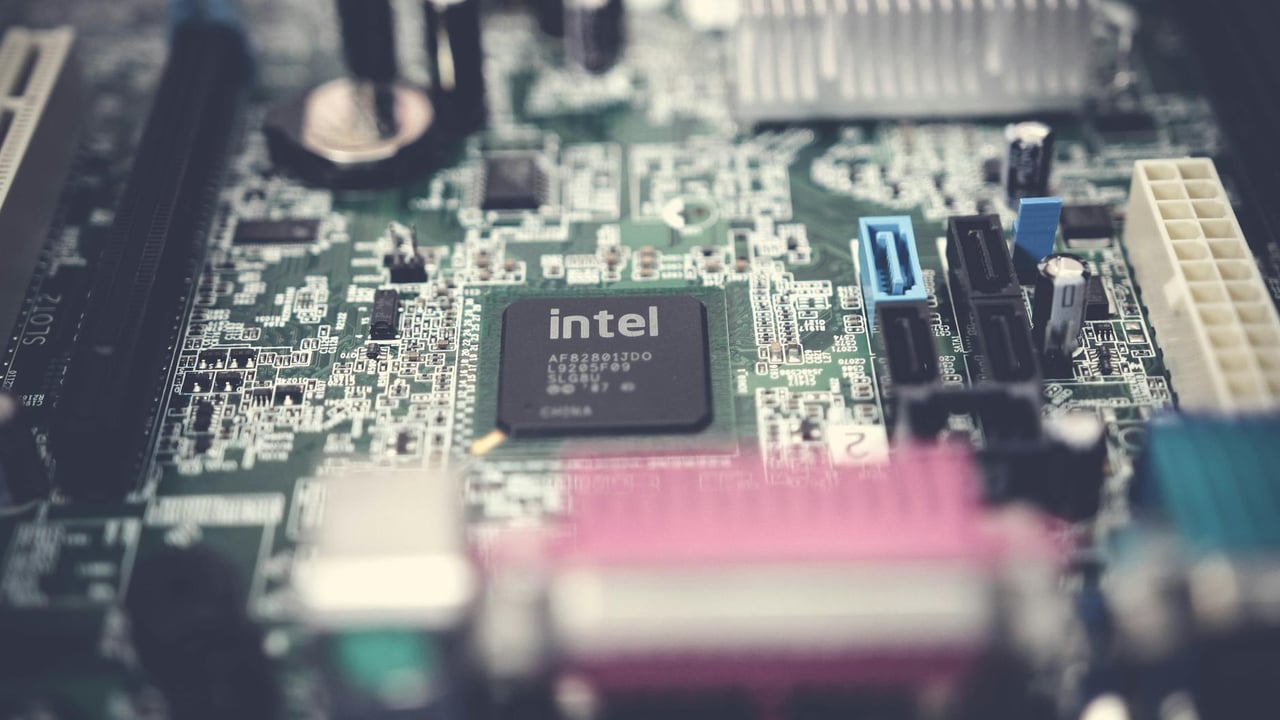

Intel’s leadership openly acknowledged a troubling mismatch between surging AI-driven demand for chips and the company’s current ability to deliver. On the company’s Q4 2025 earnings call, CEO Chen Liwu said he was “sorry” that Intel had not fully met market demand, noting that product yields, while aligned with internal plans, fell short of his personal expectations.
The admission underlines a tightness in the semiconductor market triggered by the AI boom. Large cloud providers, hyperscalers and enterprises are ordering vast quantities of CPUs and AI-optimised silicon to expand data centres and train generative models; suppliers that cannot ramp production quickly face lost revenue and strategic disadvantage. Chen said accelerating yield improvements will be a top priority in 2026 to better support customers.
Investors reacted swiftly. The stock plunged in after-hours trading following the call, reflecting concern that supply constraints and less-than-encouraging guidance could blunt near-term growth despite solid underlying demand. Analysts and media headlines highlighted the gap as a likely contributor to weaker guidance and raised questions about Intel’s operational roadmap.
The episode spotlights enduring manufacturing challenges across the chip industry. Yield — the proportion of usable chips produced from a wafer — is the single biggest lever for meeting orders without expanding capacity. For a company of Intel’s scale, incremental yield gains translate into millions of units of additional supply, but achieving those gains requires technical fixes, process stabilisation and often time-consuming factory adjustments.
Competitive dynamics magnify the stakes. Nvidia remains dominant in AI accelerators, while AMD, specialized startups and foundry partners in Asia compete aggressively for data-centre business. Persistent shortfalls at Intel would give customers leverage to diversify suppliers, accelerate commitments to rivals, or accept higher-priced alternatives, reshaping account portfolios and procurement strategies.
For customers and policy-makers alike, the incident is a reminder that demand-side booms can expose fragilities in even the largest chipmakers. Intel’s pledge to prioritise yield improvement in 2026 is necessary but not sufficient; the pace of recovery will determine whether the company can convert the AI surge into sustainable commercial gains or cede ground to competitors and foundries better able to scale quickly.