
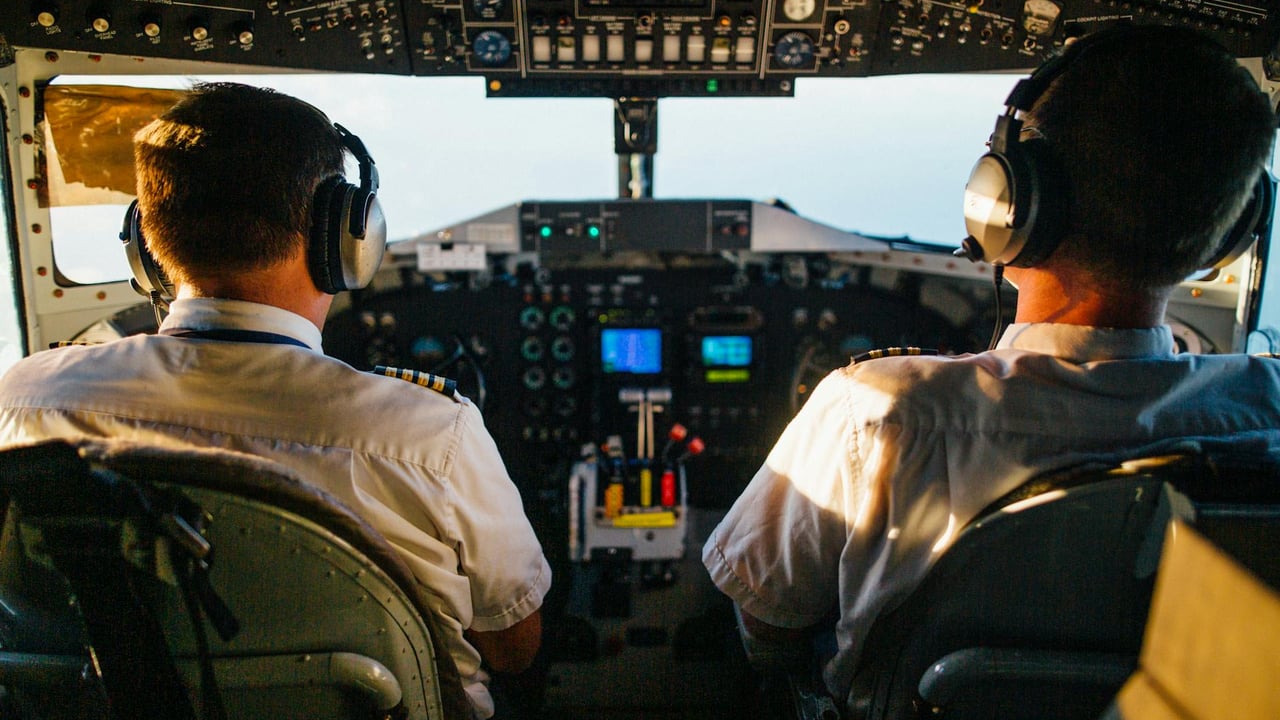

China’s military has issued a substantially revised physical-examination standard for selecting flight cadets that will take effect on 1 August 2026, signalling a more scientific and operationally focused approach to sourcing aviators. The new document runs to 12 chapters and 102 articles with three annexes, and its authors present it as an overhaul aimed at aligning selection closely with the demands of modern air combat and the physiological realities of new aircraft.
The rewrite reframes selection as a readiness task rather than a routine medical check. It emphasises human–machine fit, combat sustainment and risk mitigation in high-stress, high-speed environments, and it aims to make every step of screening serve “future battlefield” needs. That shift is part of a wider People’s Liberation Army drive to professionalise talent pipelines and to treat personnel policy as integral to fighting power.
One practical consequence is a more nuanced approach to body-size requirements. Rather than simply lowering numerical thresholds for height, weight or arm length, the standards recalibrate those metrics against the ergonomics of newer cockpits, expanded seat adjustment ranges and the fit of wearable equipment. Officials say this allows the service to widen the candidate pool without compromising control or safety by using evidence-based human factors criteria.
Vision testing moves beyond a single acuity number to a “composite visual assessment.” Cadets still must meet a baseline acuity, but the new regime also scrutinises colour perception, visual fields, retinal health and contrast sensitivity, reflecting the complex visual demands of modern cockpits — rapid target recognition, night and low-contrast cues, and information-rich head-up displays.
Psychological screening is likewise upgraded. The guidelines broaden the toolkit from history-taking and paper questionnaires to include dynamic observation and newer evaluation technologies intended to measure stress tolerance, emotional regulation and decision-making under pressure. The stated aim is to reduce downstream attrition and to flag vulnerabilities that could affect performance in combat or under physiological stress.
A notable medical addition is routine 24-hour ambulatory electrocardiography. By moving beyond single, static ECG snapshots, the military seeks to detect intermittent arrhythmias and silent ischaemia that only reveal themselves across a normal activity cycle — important in aviation, where in-flight cardiovascular events have outsized operational consequences.
At the same time, the standards relax certain non-essential exclusion criteria. Drawing on aviation-medicine research and disease-prognosis evidence, the authors say they have eased restrictions that previously eliminated otherwise capable young people for marginal, non-combat-related findings. The approach is explicitly designed to keep the selection focused on core combat traits such as G-tolerance, hypoxia resilience and situational awareness.
The revision process combined study of international practice with Chinese-specific adaptations, producing a hybrid standard tailored to domestic defence needs and the physical profiles of China’s youth. For international observers, the document is less a literal export of foreign procedures than a selective uptake of best practices, reworked to fit national strategy and operational concept.
Implementation will determine how much the new standards change the force. In the near term, they are likely to expand the pool of acceptable candidates and to reduce avoidable washouts during training, while improving early identification of medical and psychological risks. But much depends on the PLA’s capacity to execute higher-fidelity screening across many recruiting centres and to integrate selection more tightly with training curricula and retention incentives.
Overall, the update is a tactical reform with strategic implications: it embeds a more scientific, data-driven posture into the human side of military modernisation, reflecting Beijing’s view that equipment advances must be matched by equally sophisticated personnel systems if the PLA is to succeed in high-end, informationised warfare.