
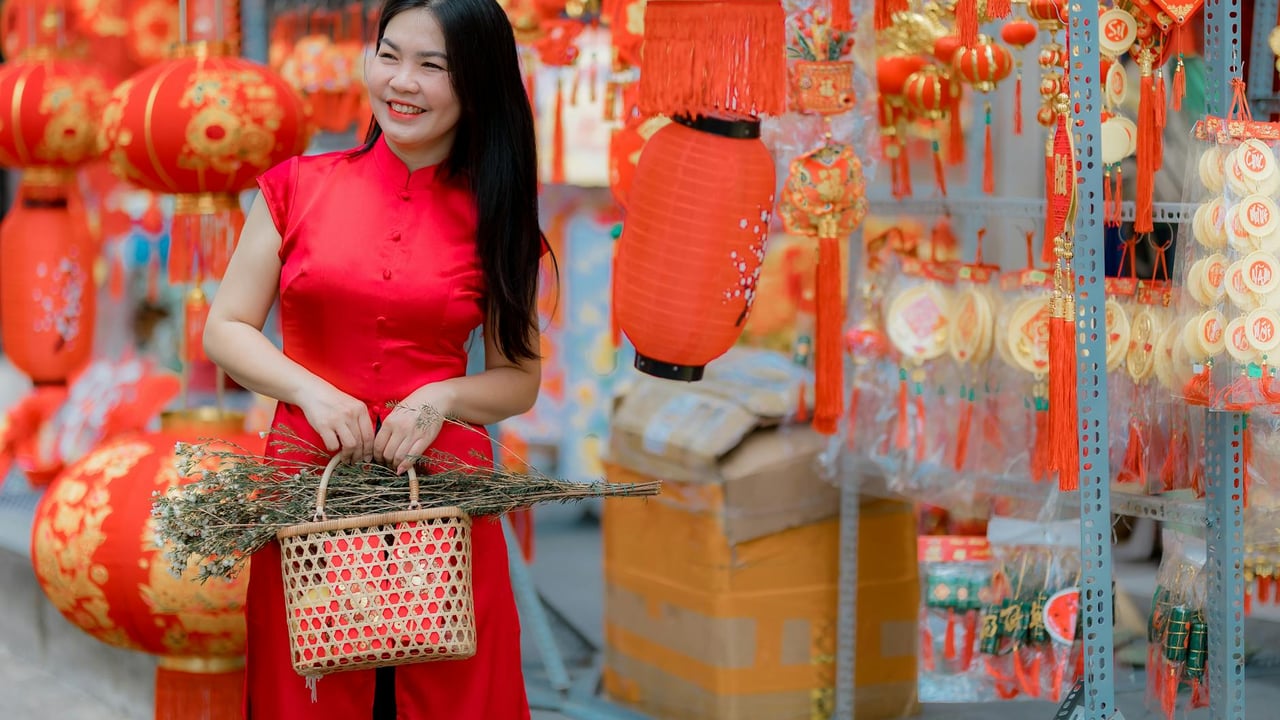

China will observe a nine‑day Spring Festival in 2026, from Lunar New Year’s Eve on February 15 to February 23 — the longest New Year break in the country’s history — and officials have signalled that lengthened holidays may become a standing policy rather than a one‑off concession.
That announcement has been greeted with relief by many urban workers who endure long hours and rugged schedules, but the broader debate shows the limits of extending calendar time as a shortcut for social relief. Policymakers and local governments have an obvious incentive to create longer holidays: concentrated leisure can generate big spikes in spending, lift local tourism and, in some cases, buoy strained municipal finances that now rely on culture and tourism to fill gaps left by cooling real‑estate revenue.
The economic arithmetic is compelling in narrow terms. China’s National Day–Mid‑Autumn holiday in 2025 generated roughly RMB 809 billion in domestic spending; compared with annual domestic travel spending of about RMB 57.5 trillion in 2024, a single week of holiday consumption can account for a double‑digit share of a year’s receipts. Tourism also has strong multiplier effects across services, agriculture and manufacturing, which helps explain why local governments aggressively market festivals, novelty foods and short‑stay attractions.
Yet the story beneath the headline numbers is uncomfortable. Many of the additional and special leaves that proliferate on paper — from family‑visit leave and “snow holidays” to menstrual leave and local experiments with 2.5‑day weekends — are rarely taken in practice. Surveys and media investigations suggest a large gap between statutory entitlements and workplace reality: some workers do not know these leaves exist, while many others cannot afford to use them because of job insecurity, unpaid overtime or performance pressures.
That distinction — the difference between nominal leave and enforceable rest — matters because the holiday economy is ultimately funded by people’s disposable income. If pockets are thin, more days off simply redistribute the same limited spending across more days rather than raising aggregate demand. The article cites an academic estimate that GDP’s elasticity to workdays is around 0.2, implying a reduction in workdays cuts GDP but not in one‑for‑one proportion because some leisure spending replaces other activity.
The arithmetic also cuts the other way. Case studies abroad show that public celebrations can depress output in the aggregate even as some sectors boom: Britain’s multi‑day jubilee celebrations previously registered a several‑percentage‑point hit to monthly GDP and a multi‑billion‑pound net loss for the economy. In China’s case, localities compete fiercely for the same holiday tourists, which can thin margins and leave national output little changed even as hotels and attractions report crowded bookings.
The net conclusion of the piece is blunt: holidays are an outcome of broader economic health, not the cause of it. Increasing statutory holidays without parallel gains in incomes, labour protections and social insurance risks producing “paper” benefits or crowded, low‑spend tourism rather than the relaxed, consumptive respite policymakers prize.
For governments and businesses, the implication is twofold. If the goal is to make longer breaks meaningful and to sustain consumption growth, China needs stronger, more resilient household incomes and more enforceable labour rights — not just an expanded calendar. If holidays are meant to be a lever of demand, they are only one lever among many and will underperform while wage growth and redistribution lag behind.