
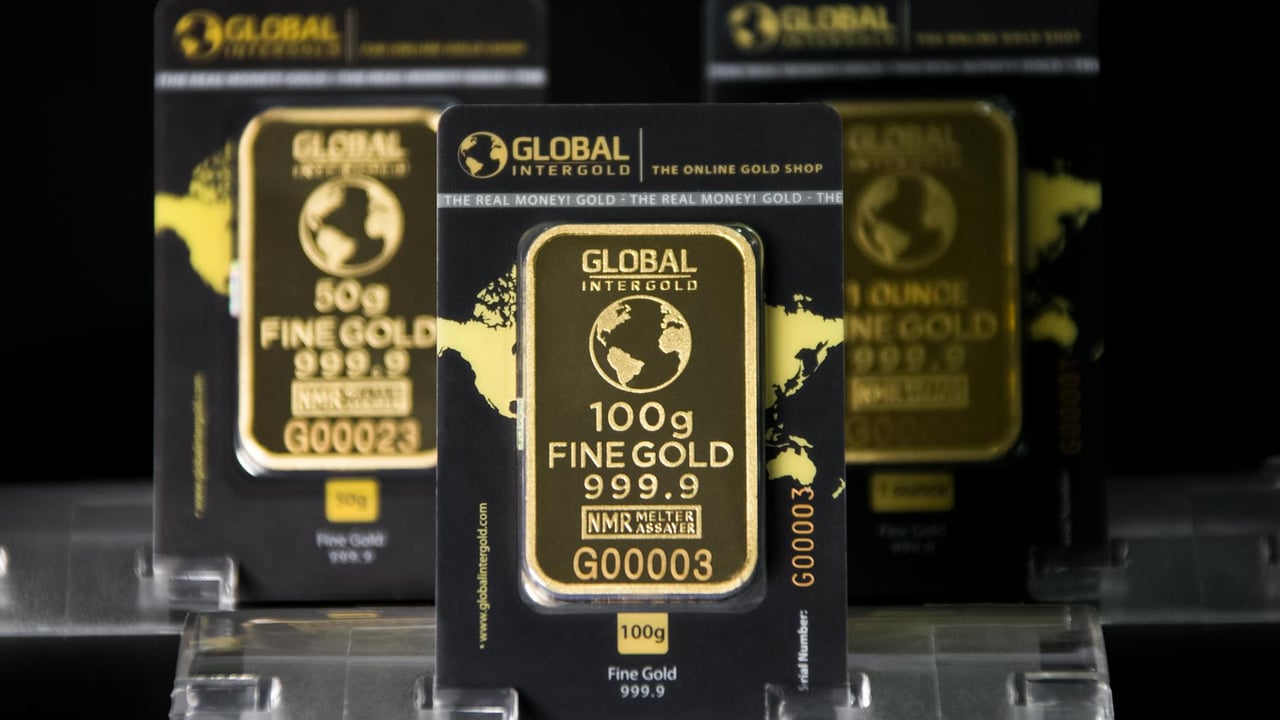

Spot gold surged past $4,900 an ounce on January 23, briefly trading near $4,967 and putting the symbolic $5,000 mark tantalizingly close. Chinese retail prices responded immediately, with mainstream 24K jewelry quotes pushing past RMB 1,540 per gram, underlining how global commodity moves now translate quickly into domestic markets.
The latest leg up in bullion reflects an unusual confluence of forces rather than a single transient shock. Renewed geopolitical jitters, concerns about US fiscal sustainability, persistent central-bank demand for reserves diversification, and market expectations that major central banks will pivot to easier policy together have prompted investors to reprice long-term financial risk.
Market participants point to repeated geopolitical flare-ups as the immediate trigger for the acceleration. Analysts note that even where diplomatic agreements exist, incendiary rhetoric and threats of tariffs or reprisals keep risk premia elevated and make gold attractive as an unencumbered store of value.
A deeper, more structural support for higher prices is the erosion of US fiscal metrics. Large tax cuts, expanded defence spending and episodic government shutdowns have pushed federal debt above $38 trillion and raised the debt/GDP ratio, a shift that analysts say weakens the dollar’s perceived credit underpinning and encourages flows into non-sovereign assets like gold.
Central banks have been quietly but steadily increasing allocations to bullion. Official holdings saw a sixth consecutive year of net inflows in 2025, driven by strategic-security and diversification motives that transcend short-term market cycles. This steady official demand adds a base layer of structural support for prices.
Expectations about real interest rates are another key factor. A softer US labour market and contained inflation give the Federal Reserve room to cut in 2026, analysts argue, reducing the opportunity cost of holding zero‑yield gold and strengthening its appeal among investors seeking to hedge against policy and currency risk.
Major banks have adjusted their public targets accordingly. UBS maintains a $5,000 annual target and warns that renewed conflict could lift prices toward $5,400, while Goldman Sachs has raised its December 2026 target to $5,400, arguing that private-sector allocations to hedge macro uncertainty are crystallising into real demand.
At the micro level Chinese corporates are changing their treasury playbooks. Since the turn of the year dozens of A-share firms have announced the use of idle cash to buy bank-structured deposits linked to gold prices; state‑listed engineering and technology firms have each placed millions into such products. Treasury managers are thus shifting from plain principal-preservation vehicles to gold‑linked instruments that offer upside participation while aiming to protect capital.
For retail investors the immediate takeaway is caution. Financial advisers in China and abroad warn against chasing spot prices or using high-leverage futures at elevated levels. Safer-access routes such as gold ETFs, paper-gold accounts and principal-protected, gold-linked bank products are presented as more appropriate for those who want exposure without assuming speculative timing risk.
Risks remain material. Short-term speculative profit‑taking could cause sharp corrections, and any decisive evidence that US fiscal pressures are easing or that central banks will not ease policy as expected could trigger technical pullbacks. Yet many analysts argue the larger structural drivers—debt monetisation risk, reserve diversification and a more fractured geopolitical order—are long‑lived and will keep gold a strategic asset for diversified portfolios.
Investors and policymakers should treat the current move as part of a broader reallocation of global capital rather than a brief commodity spike. Whether the market clears $5,000 and continues higher or settles into a high-level consolidation, the episode underscores how shifts in fiscal credibility, reserve policy and geopolitical risk are now transmitted rapidly through commodity markets and corporate balance sheets.