
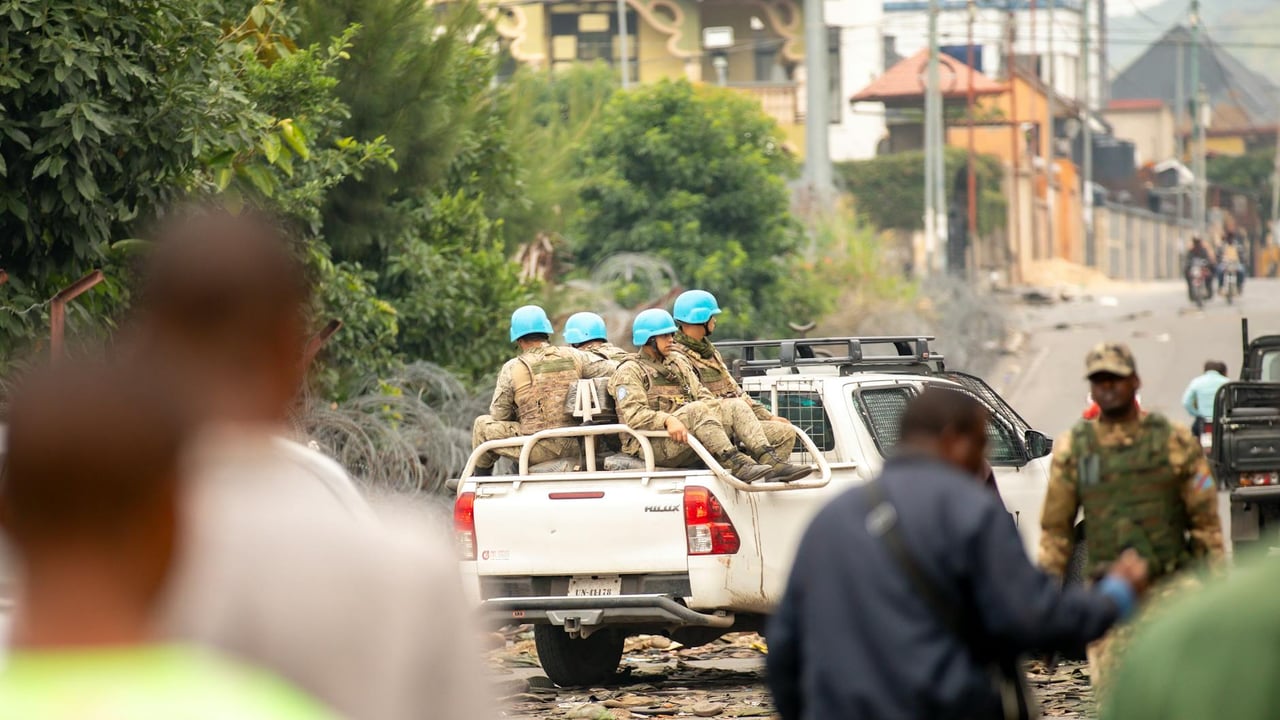

A United Nations report released on 22 January shows a sharp rise in deliberate attacks on UN personnel in 2025, with at least 21 staff killed while carrying out their duties. That toll—12 peacekeepers and nine civilian staff—exceeds the combined fatalities recorded in the previous two years and highlights a deteriorating security environment for international personnel in active conflict zones.
The victims came from a range of troop‑contributing and staff nations, including Bangladesh, Sudan, South Africa, South Sudan, Uruguay, Tunisia, Ukraine, Bulgaria, Palestine, Kenya and Zambia. Violence was concentrated in a few hot spots: six peacekeepers were killed in the disputed Abyei area near the Sudan–South Sudan border, and three fatalities were reported each in the Democratic Republic of Congo and the Central African Republic. By way of contrast, UN fatalities were at least five in 2024 and 11 in 2023, signaling an abrupt upward trend.
The headline figure does not include losses suffered by the UN Relief and Works Agency for Palestine Refugees (UNRWA) in the Israel–Palestine conflict, where at least 119 UNRWA staff have been killed in 2025. The exclusion underscores how multiple, overlapping crises are producing very different protection challenges across theatres—from remote border flashpoints to urban warfare in Gaza.
UN officials warn that attacks on civilians and humanitarian workers are becoming "normalized," a phrase that conveys both frequency and a fading of political will to respond. For the UN, the immediate consequences are operational: missions face shrinking humanitarian access, higher force‑protection costs, pressure to retrench or suspend activities, and worsening morale among troops and civilian staff.
The drivers are familiar but intensifying: the proliferation of well-armed non‑state armed groups, fragmented state authority, increasingly urban and asymmetric combat, and a growing trend of deliberate targeting of the UN as a symbol of international presence. Legal constraints such as host‑country consent and narrowly defined mandates complicate efforts to use stronger force protection; political divisions at the UN Security Council also restrict uniform responses.
The broader implications are significant. Donor governments and troop contributors may rethink the scale and conditions of their involvement, potentially reducing capacity at a time when fragile states and displaced populations most need international support. At the same time, calls for harsher rules of engagement or punitive military responses risk further politicizing UN operations and eroding the impartiality that underpins humanitarian work.
In short, the 2025 surge in fatalities is a warning that the protections once afforded to peacekeepers and aid workers are fraying. Without concerted political action to improve accountability for attackers, strengthen protective measures, and preserve the operational space for neutral humanitarian action, the UN’s ability to stabilize conflicts and deliver aid will be further compromised.