
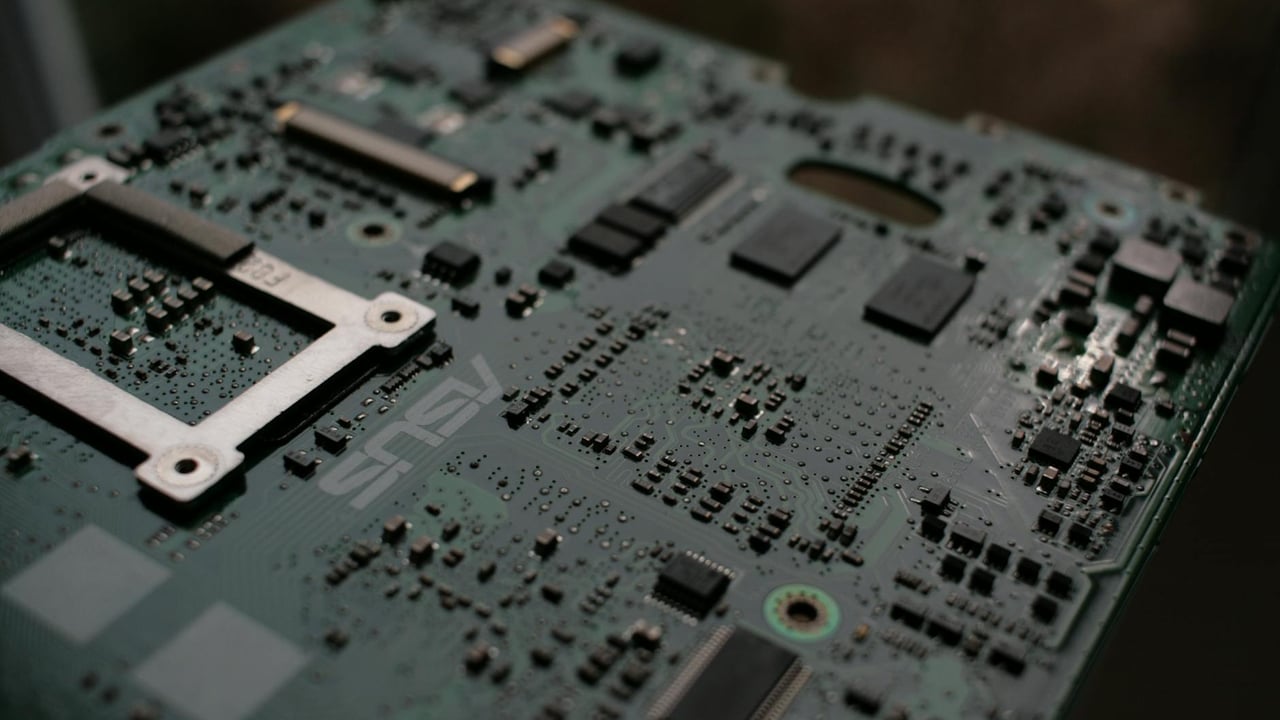

On January 23, International Composite Materials (301526.SZ) told investors that a low‑dielectric glass‑fibre it developed for 5G applications is already being used in high‑end smartphones and in key wave‑transparent components for 5G high‑frequency communications.
The company described the product as part of its electronic cloth lineup — a foundational material for printed circuit boards (PCBs). Low‑dielectric glass fibres reduce signal loss and dispersion at high frequencies, making them valuable for radio‑frequency PCB substrates, antenna windows and other parts where electromagnetic transparency and minimal dielectric loss are essential.
The announcement matters because materials such as low‑loss glass fibre are a technical bottleneck in the shift to higher‑frequency 5G (and, eventually, 6G) hardware. As devices move into millimetre‑wave bands and more complex RF front‑ends, board materials must combine mechanical strength with tightly controlled dielectric properties; domestic availability can shorten qualification cycles and ease supply constraints for handset and equipment makers.
International Composite Materials emphasised that the product is its own intellectual property and that specific application scenarios are determined by customers according to market demand. The company did not disclose volumes, named customers, or the performance metrics that would allow outsiders to judge how the material compares with entrenched foreign suppliers, so the scale and commercial significance of the adoption remain unclear.
That uncertainty notwithstanding, the development fits a broader Chinese industrial trend: moving up the value chain in components and materials that historically relied on foreign suppliers. If the material meets the stringent loss‑tangent and dielectric‑constant thresholds required by major OEMs, it could help localise parts of the 5G supply chain, reduce procurement risk for Chinese device makers and open modest export opportunities — though widespread displacement of established global suppliers will require sustained quality, capacity and certification efforts.