
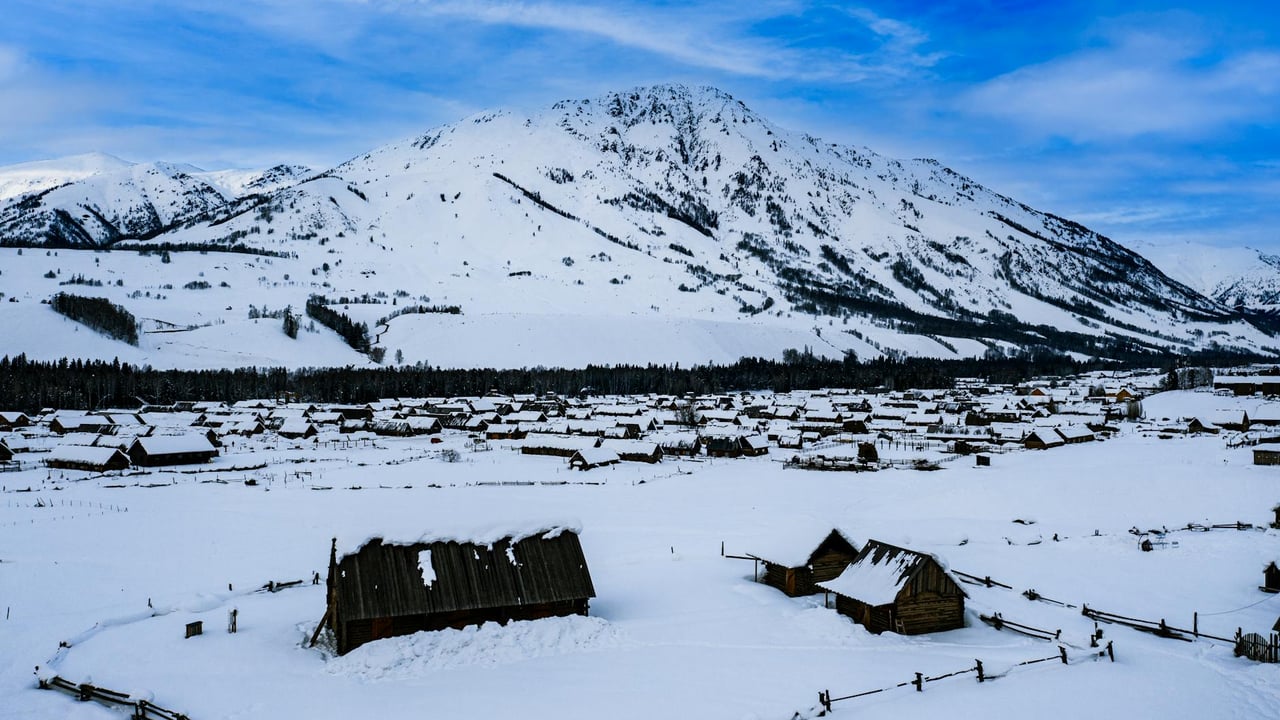

In mid‑January, a reporter trudged through wind and snow to reach a frontier outpost in the Altai Mountains, a post known locally as “the northwest’s first sentry.” Temperatures had plunged below minus 20°C, yet inside the unit’s insulated vegetable cellar the shelves held a dozen varieties of fresh produce — tomatoes, cucumbers, apples and citrus — a striking contrast to the harsh landscape outside. Soldiers described how regular cold‑chain deliveries from local suppliers now supplement the unit’s stocks and how a small indoor growing facility provides a continuous supply of leafy greens throughout the long winter.
The change is marked compared with a decade and a half ago, when men at the post relied on bulky winter stores of potatoes, cabbage and radishes packed into earthen cellars and covered with sand to survive months of closures on mountain supply routes. Those rudimentary methods often failed: many vegetables froze or dried out and troops sometimes subsisted on rations and preserved staples. Today a combination of improved infrastructure, routine logistics cooperation between military and civilian suppliers, and on‑site controlled‑environment cultivation has effectively ended that seasonal scarcity.
The so‑called “vegetable factory” is modest but purpose‑built: multi‑tier racks of foam trays, nutrient solutions in circulation and purple LED growth lights that mimic sunlight. Leafy salads take roughly 20 days from sowing to plate, allowing multiple harvests over a single winter and guaranteeing a steady complement to the menu. The unit places orders based on need, suppliers centralize procurement and perform quality checks, and fresh items are either served immediately or stored short‑term in the cellar, shortening the supply chain from farm to mess hall.
Beyond comfort and diet, the upgrades have operational consequences. Soldiers report warmer meals and fresh produce even while on patrol, which commanders argue improves morale, endurance and the willingness of personnel to serve in a remote, harsh environment. The improvements also reflect a wider effort to professionalize logistics and to strengthen civil‑military supply links in frontier regions that have historically been vulnerable to isolation during winter months.
This episode is emblematic of two broader trends: the modernization of military support systems across China’s border regions and the diffusion of controlled‑environment agriculture into small, strategic sites. Investing in local cold chains and indoor cultivation creates resilience against weather, shortens logistics tails, and sends a practical signal of state capacity and care at remote postings. For observers of Chinese military preparedness and frontier governance, the change is a small but tangible indicator of how infrastructure and supply innovation are being used to shore up presence and performance in difficult terrain.