
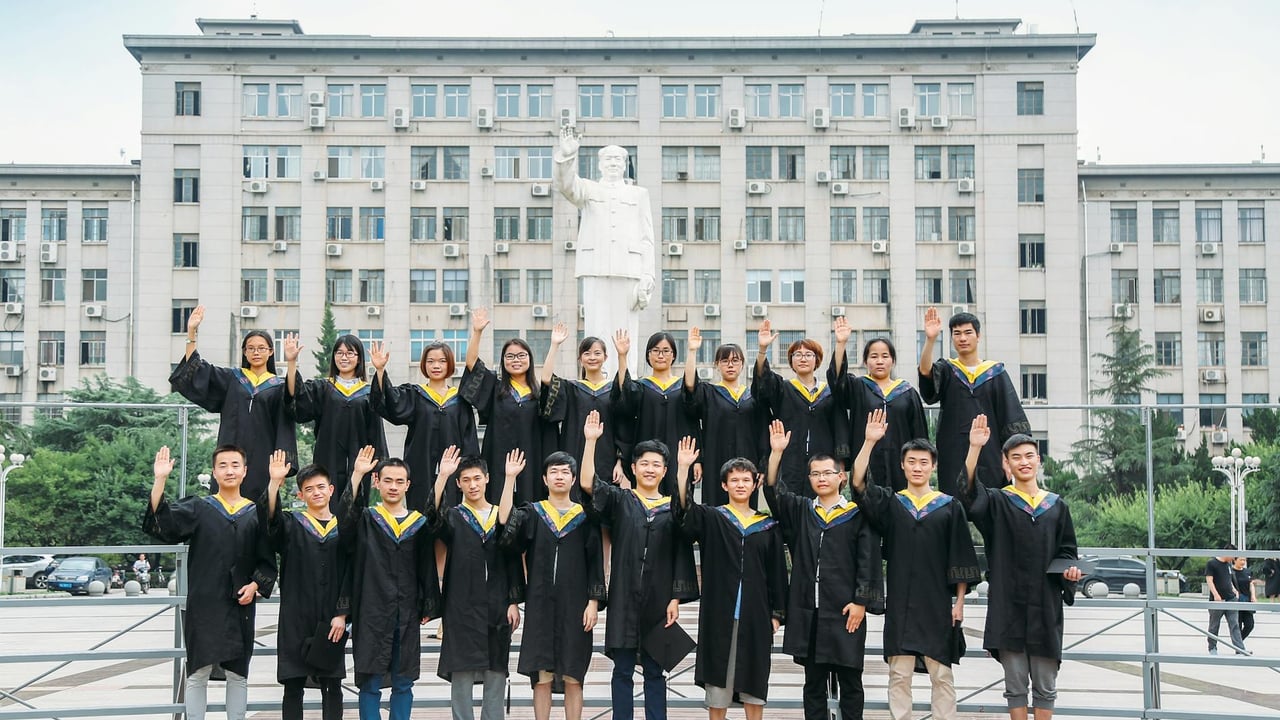

China has opened the first registration window of its 2026 national recruitment campaign, with authorities explicitly targeting university students and recent graduates. The online registration portal is accepting applications until February 10, and the ministry plans two recruitment batches over the year, underscoring a sustained emphasis on educated recruits as a pillar of personnel policy.
The 2026 rules relax age limits for higher‑education candidates: ordinary male undergraduates and final‑year students may be as old as 24, and postgraduate students and graduates up to 26. Female full‑time postgraduates are also eligible up to 26, while first‑half recruits who are full‑time undergraduate graduates may be admitted up to age 23; the broader age envelope for degree holders reflects an effort to widen the pool of technically trained entrants.
Physical minimums remain modest—male recruits must be at least 160cm and females 158cm, with specified naked and corrected vision thresholds—and applicants are required to complete health checks as set out on the national recruitment site. Universities are active partners in the drive: staff at Beijing University of Science and Technology and other institutions say the emphasis is on recruiting high‑quality, professionally skilled students whose training will be useful in force construction and defence projects.
To entice candidates, Beijing has layered economic and career incentives. Enlistees from universities can access family subsidies, tuition reimbursement or waivers, loan repayment assistance and other living subsidies. Educational institutions and the central government have detailed mechanisms to return paid tuition, cancel unpaid tuition, and have the state assume outstanding student loan balances for those who join the armed forces.
The pathway back to civilian life has also been smoothed. The education authorities maintain a special master’s admissions quota for former student‑soldiers—about 8,000 slots annually—and permit exemptions or preferential treatment in entrance procedures for decorated veterans. Employment policies preserve fresh‑graduate status for returning servicemembers and encourage targeted recruitment fairs; localities such as Beijing set aside 15–20 percent of certain public‑sector posts for veterans.
Individual universities are offering additional guarantees: some reserve special places for ex‑servicemen on postgraduate exams and allow returning students to change or select majors broadly after service. Campus military offices frame enlistment as both patriotic service and a career choice, suited to students from professionally oriented institutions that support defence development.
This drive matters because it combines tactical personnel management with broader strategic goals. China is modernizing its armed forces and requires personnel with technical and cognitive skills to operate complex platforms and to implement civil–military integration projects. At the same time, demographic pressures and a competitive job market make attractive financial and career incentives necessary to persuade high‑calibre graduates to choose military service.
For international observers, the shift is significant less for the headline numbers than for its composition. Recruiting a larger share of degree holders will, over time, alter the PLA’s human capital profile and accelerate its capacity to field technically proficient units. Domestically, expanded benefits tie military service to social mobility, helping the state retain goodwill among educated cohorts while meeting personnel needs for modernization.