
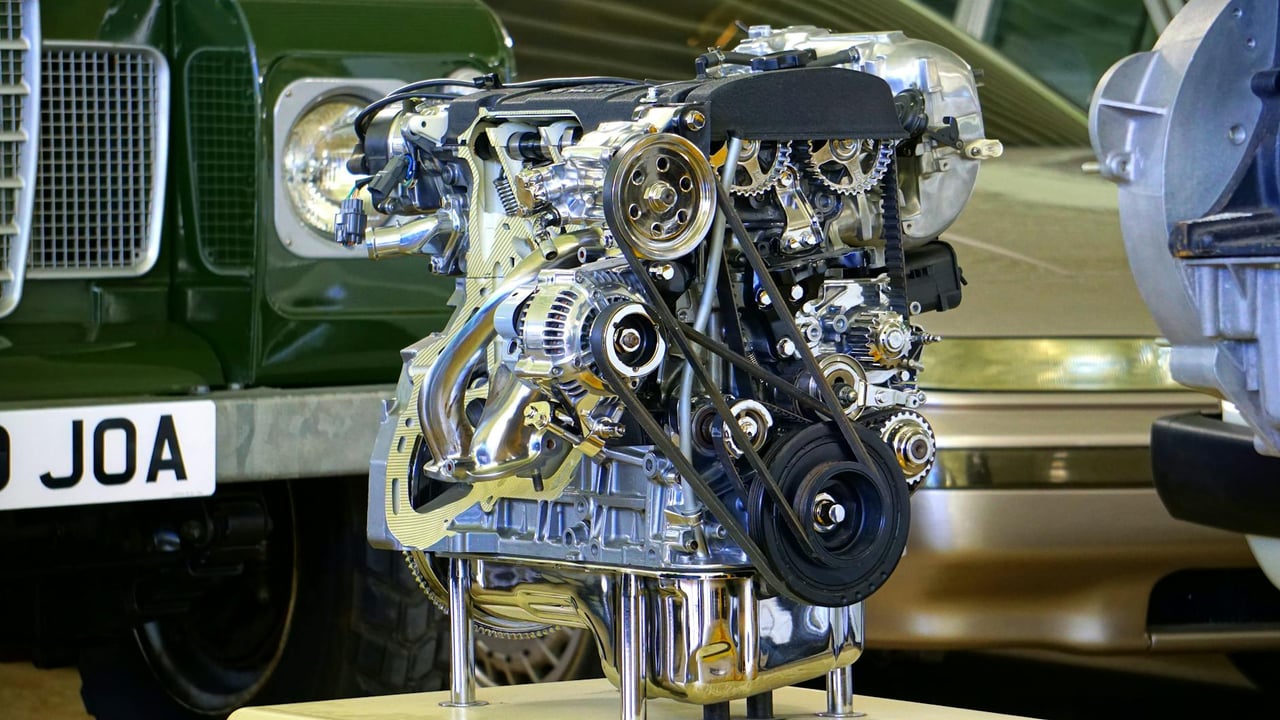

Xpeng vice‑president Gu Jie led a core team to Dong'an Power this week for high‑level discussions on advancing a production project and developing next‑generation engine technology. Dong'an Power's deputy general manager Zhao Xingtian hosted the meeting alongside heads of R&D, marketing, quality and sales, and the two sides reported reaching consensus on the core technical and delivery issues under discussion.
The exchange, while short on public detail, focused on two clear priorities: preparing a project for volume production and collaborating on the development of next‑generation engines. For Xpeng—a company best known for electric vehicles and software‑centric offerings—engaging a traditional powertrain supplier underlines a practical orientation toward securing hardware options beyond pure battery electric platforms.
This visit fits within a broader pattern across China’s auto sector: new‑energy vehicle makers are deepening ties with conventional suppliers to accelerate product cycles, hedge supply‑chain risks and pursue mixed powertrain solutions such as hybrids or range extenders. Suppliers such as Dong'an Power benefit from these relationships as they reposition to serve both legacy automakers and emerging EV companies that need proven combustion or hybrid systems for certain market segments or overseas exports.
For investors and competitors, the significance lies in capability and timing. Moving a project from prototype into mass production requires coordination across engineering, quality control and sales channels; early alignment between an automaker and a parts supplier reduces execution risk and can shorten time to market. It also signals Xpeng’s willingness to keep multiple technological options open as it pursues growth amid intensifying competition.
Regulatory and market realities in China and abroad also shape such partnerships. Emissions rules, cost sensitivity in lower tiers of the market, and demand for long‑range or low‑cost alternatives in new export markets can make hybrid or efficient internal combustion solutions commercially attractive alongside battery electric vehicles. Securing engine technology and production capacity now would give Xpeng optionality as these dynamics evolve.
While the announcement is brief and non‑committal on specifics, the visit is a reminder that China’s auto transition is multifaceted. Leading EV startups are no longer pure software playbooks; they are building supply‑chain relationships and engineering depth to compete across segments and geographies. The collaboration with Dong'an Power is a tactical move that could bear strategic fruit if it accelerates reliable, scalable production of powertrain components that complement Xpeng’s electric and software strengths.