

Global markets diverged on January 23 as safe-haven commodities raced ahead and US equity benchmarks finished mixed. The Dow Jones Industrial Average slipped 0.58% while the S&P 500 and Nasdaq eked out small gains of 0.03% and 0.28% respectively, reflecting a fraying consensus between cyclical risk-taking and defensive positioning.
Precious metals led the rally: London spot gold climbed 0.92% to $4,981.31 an ounce and COMEX futures rose to $4,983.10, leaving gold perched just shy of the $5,000 mark. Spot silver surged more than 7% to $103.34 an ounce on the London market, powering both metals to fresh nominal highs as investors sought protection against macro and geopolitical uncertainty.
The technology sector was a study in contrasts. A seven-stock US tech index rose 1.05% overall as Microsoft, Amazon, Meta and Nvidia all advanced — Microsoft jumped 3.28% and Amazon 2.06% — while Apple, Alphabet’s Class C shares and Tesla drifted lower. Semiconductor names were uneven; AMD and TSMC gained modestly but Intel plunged about 17% after issuing guidance that fell well short of expectations.
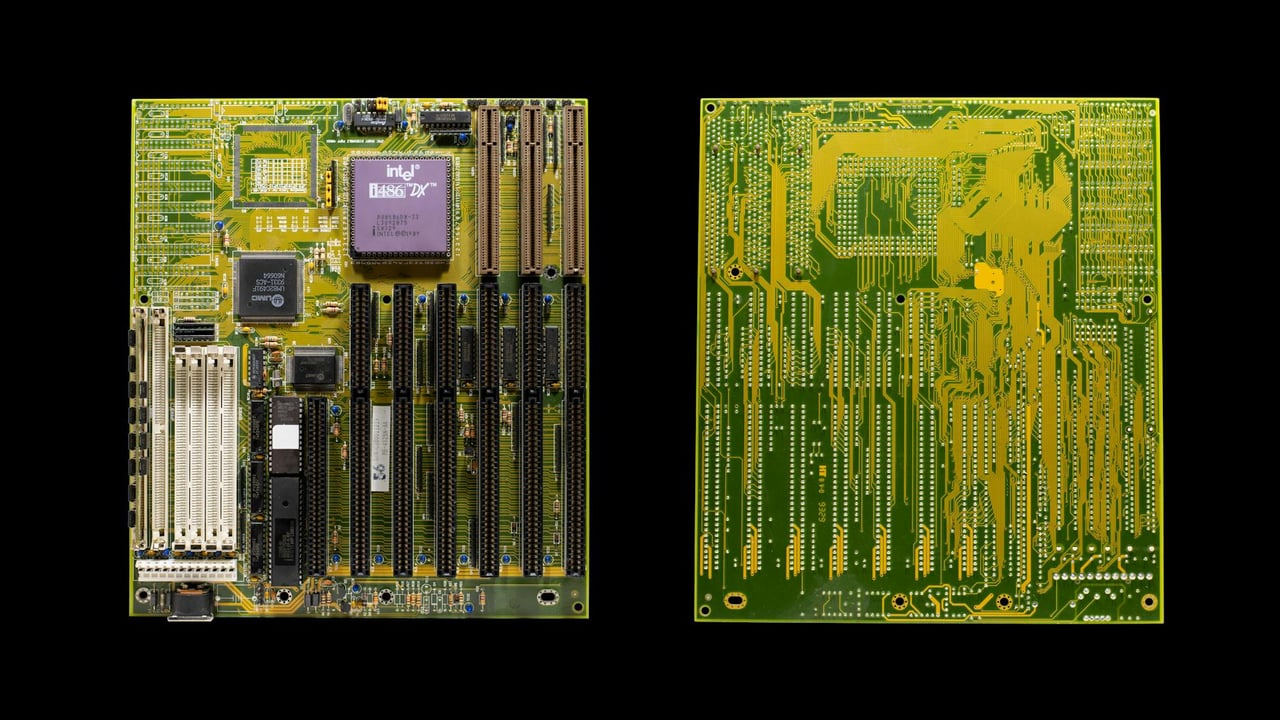
Intel’s quarterly results and outlook rattled markets. The company reported fourth-quarter 2025 revenue of $13.7 billion, down 4% year-on-year, and warned first-quarter 2026 sales would be between $11.7 billion and $12.7 billion with adjusted EPS around break-even. CEO Chen Liwu cited manufacturing yield shortfalls and the depletion of inventories used to meet recent AI-driven demand, prompting several brokerages to cut price targets and investors to re-price near-term chip optimism.
Banking stocks underperformed broadly, with major US lenders sliding: JPMorgan -1.96%, Goldman Sachs -3.73%, Citigroup -1.77% and Morgan Stanley -2.23%. The group’s weakness appears linked to renewed worries about the outlook for loan growth, interest-rate policy and potential stress in leveraged segments, compounding market caution even as some big tech names rallied.
Commodities beyond precious metals also advanced. Tin jumped more than 9% on the LME, nickel rose nearly 4%, and copper added over 2%, while both ICE Brent and NYMEX WTI crude climbed more than 3% by the close. Goldman Sachs upgraded its 2026 December gold forecast to $5,400 an ounce, arguing that private-sector allocations to gold as a macro hedge are crystallising and may remain stable through 2026.
Analysts cited a mix of forces behind the move into gold and silver: heightened geopolitical uncertainty, anxieties about long-term US fiscal trajectories and concern over political pressure on central banks. Edward Jones senior economist James McCann specifically pointed to these drivers as underpinning the metals’ resilience, even as pockets of equity markets cheer on AI-led demand for chips.
The market tableau on January 23 therefore underlines a bifurcated investor landscape. While long-duration, high-growth technology exposure and commodity proxies like copper and oil still attract capital, an aggressive rotation into hard-asset hedges — exacerbated by a shock from a major chip supplier — is reshaping near-term risk pricing and raising fresh questions about inventory cycles, manufacturing execution and the durability of AI-driven demand.