
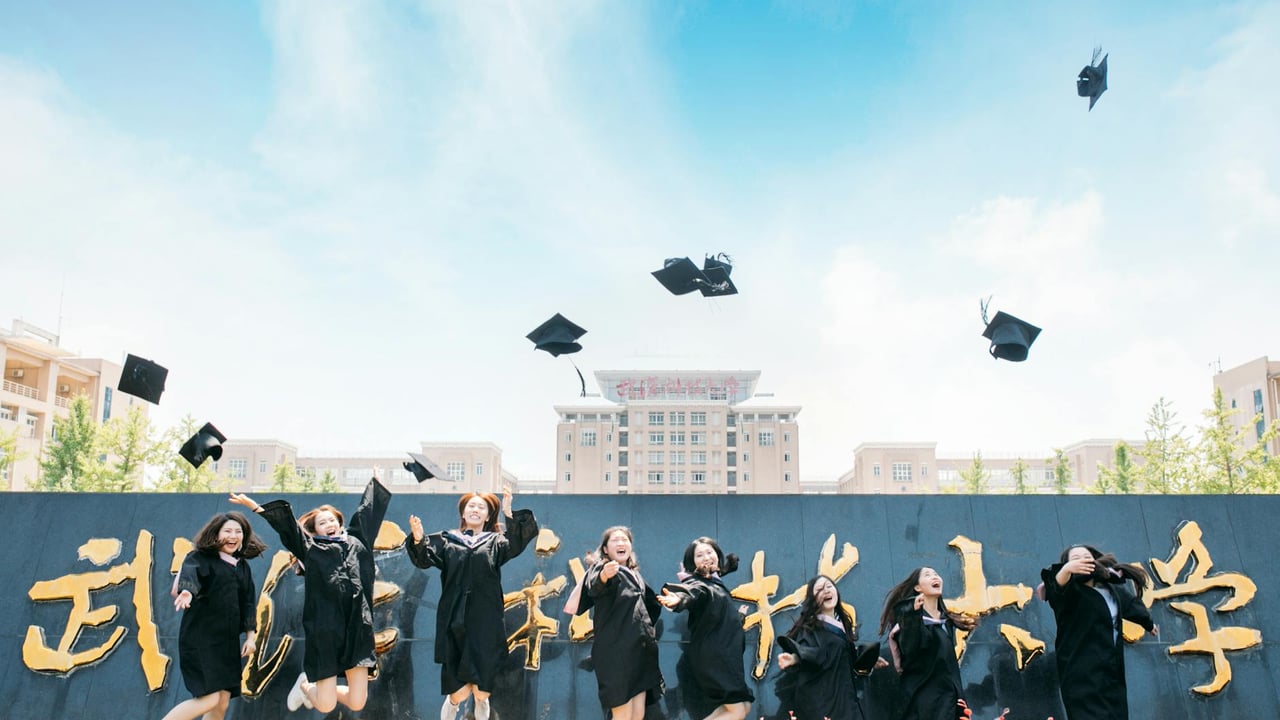

China has opened the first recruitment window for its 2026 conscription drive, signalling a continued push to attract educated recruits into the People’s Liberation Army. Registration for the first half of the year is already under way and will remain open until February 10, with authorities emphasising university students and recent graduates as a priority intake.
The recruitment is split into two batches across the year and sets a baseline conscription age of 18–22. Yet Beijing has widened age ceilings for higher-education students: male undergraduates and final-year students can be up to 24, male graduate students up to 26; female full-time graduate students also up to 26, and female undergraduates recruited in the first half up to 23. Basic physical standards remain strict, including minimum height and vision benchmarks, and candidates are required to register on the national conscription website and submit truthful information for the medical review.
The central government and universities have rolled out a raft of material incentives designed to make military service more attractive to young talent. Enlisted students are eligible for family allowances, tuition reimbursement or exemption, and debt repayment for state loans taken prior to enlistment. Universities further promise return pathways: students who serve can preserve or regain their student status and often benefit from tailored graduate-admissions quotas and employment assistance after demobilisation.
Education incentives are among the most concrete bridges between military service and longer-term career prospects. The Ministry of Education has set aside more than 8,000 master’s places specifically for former student-soldiers, with preferential treatment for decorated veterans, including exam exemptions and bonus points on entrance tests within prescribed time windows. Local governments and employers, particularly in major cities like Beijing, also offer reserved hiring quotas for veterans among civil servants, state-owned enterprises and private organisations.
Universities are positioning themselves as conduits for the policy, actively encouraging students and offering institutional guarantees. Military affairs officers at Beijing schools emphasise a desire for recruits with technical skills and advanced training to meet the needs of modernising forces. Some institutions explicitly frame enlistment as a vocational choice, while reserving places and study options for returned servicemembers.
The recruitment drive reflects a broader strategic logic: the PLA’s modernisation requires more technically adept personnel as it fields advanced weapons, cyber capabilities and integrated systems. With China’s birth cohorts shrinking and competition for high-skilled talent intensifying, the state is using preferential educational and financial measures to tilt career decisions towards defence service and to ease the transition back to civilian life.
Still, the programme faces structural constraints. Monetary and academic incentives help, but they do not erase social preferences, regional disparities in implementation, or the long-term need for retention of skilled personnel beyond the initial term of service. How effectively Beijing converts short-term enlistments into sustainable military expertise will depend on on-the-ground recruitment practices, the attractiveness of career tracks inside the armed forces, and the scale of complementary reforms to professionalise technical branches.
For international observers, the significance is twofold: domestically, the scheme is a pragmatic response to demographic and labour-market pressures; strategically, it is part of a sustained effort to plug human-capital gaps in the PLA as China pursues higher-end capabilities. Expect Beijing to refine incentives, deepen ties with universities, and increasingly treat recruitment as an element of its civil–military integration strategy.