US Carmakers at Risk of Becoming Niche Players as Global Markets Shift

A University of Michigan professor warns that Ford and General Motors risk becoming niche producers focused on pickups and SUVs if they lose market share in Canada, Mexico and other markets. Such a retreat would have wide economic and strategic consequences, as global demand shifts toward smaller, electrified vehicles and non‑US competitors expand abroad.

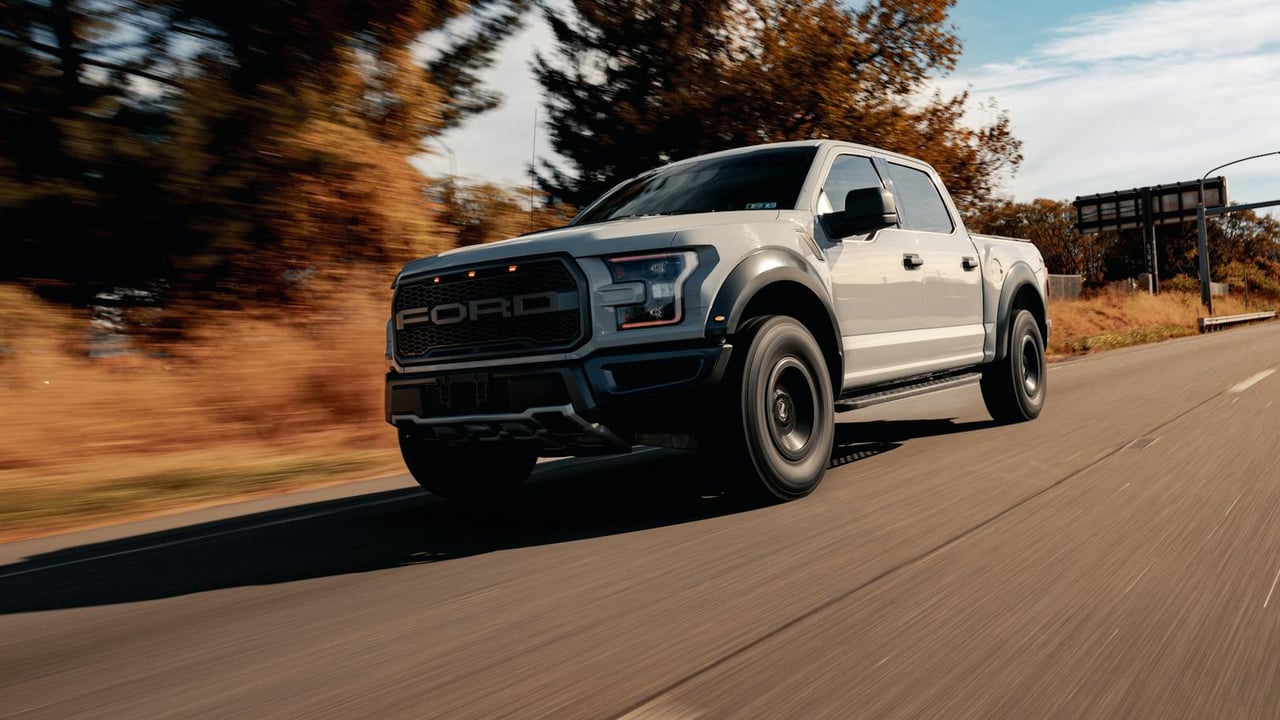
A Ford F-150 driving on a scenic highway surrounded by trees and blue skies.

Key Takeaways

  • 1A Michigan Ross professor warned Ford and GM could shrink to niche manufacturers if they lose significant market share in Canada, Mexico and elsewhere.
  • 2The likely surviving product focus would be large pickups and SUVs, segments popular in the US but weaker globally.
  • 3A narrowed global footprint would reshape production locations, supply chains and investment priorities for the two automakers.
  • 4Rising competition from Chinese EV makers and changing consumer preferences toward smaller electrified vehicles threaten legacy US automakers’ overseas prospects.
  • 5A retrenchment could produce economic and political fallout, including plant closures, job impacts and shifts in global automotive influence.

Editor's
Desk

Strategic Analysis

If the scenario outlined by the professor materialises, it will accelerate an industrial realignment that has been building for years. Ford and GM would face a painful choice: diversify product lines toward smaller, electrified models and accept short‑term margins and heavy capital expenditure, or double down on profitable domestic segments and cede international markets to more nimble rivals. The latter option risks consigning them to a high‑margin but geographically limited business model vulnerable to shifts in domestic demand and regulation. Policymakers and industry leaders should view this as a strategic inflection point: protecting jobs and market share will increasingly depend not on tariff walls but on timely investment in EV platforms, software, and competitive pricing that match global consumer trends.

China Daily Brief Editorial
Strategic Insight
China Daily Brief

A University of Michigan business professor has warned that Ford and General Motors face the prospect of shrinking into niche manufacturers if they lose market share in Canada, Mexico and other formerly strong export markets. The concern is not simply commercial; it reflects a deeper strategic squeeze in which product mix, consumer tastes and new competitors are remaking the global auto market.

The professor argued that if Ford and GM cede substantial ground outside the United States, their surviving global footprint will likely concentrate on large pickup trucks and full‑size sport‑utility vehicles. Those segments remain popular among many American buyers, but they have limited appeal across much of the world, where urbanisation, fuel costs, emissions rules and rising demand for compact electric vehicles favour smaller, more efficient models.

This juncture matters because it would force a reconstruction of where and what America’s legacy automakers build. A concentration on heavy domestic models would reshape supply chains, investment priorities and the location of manufacturing, potentially reversing decades of global expansion and integration with North American and Latin American production networks.

Broader structural shifts are already at play. Global rivals — from Chinese electric‑vehicle makers to European and Japanese groups — are intensifying their export efforts and moving quickly into price‑competitive and electrified segments that are growing fastest outside the US. At the same time, regulatory pressures, incentives for electrification and changing consumer preferences in markets such as Europe and parts of Asia favour smaller, battery‑powered models over large internal‑combustion pickups.

If Ford and GM's global sales narrow, the consequences would ripple beyond corporate balance sheets. Fewer model lines suited to international markets could lead to plant closures, job losses in export‑oriented regions, and political pressure at home to protect domestic manufacturing. It would also alter the competitive landscape, giving non‑US manufacturers more leverage in setting global standards for EV technology and software.

Share Article

Related Articles

📰
No related articles found