
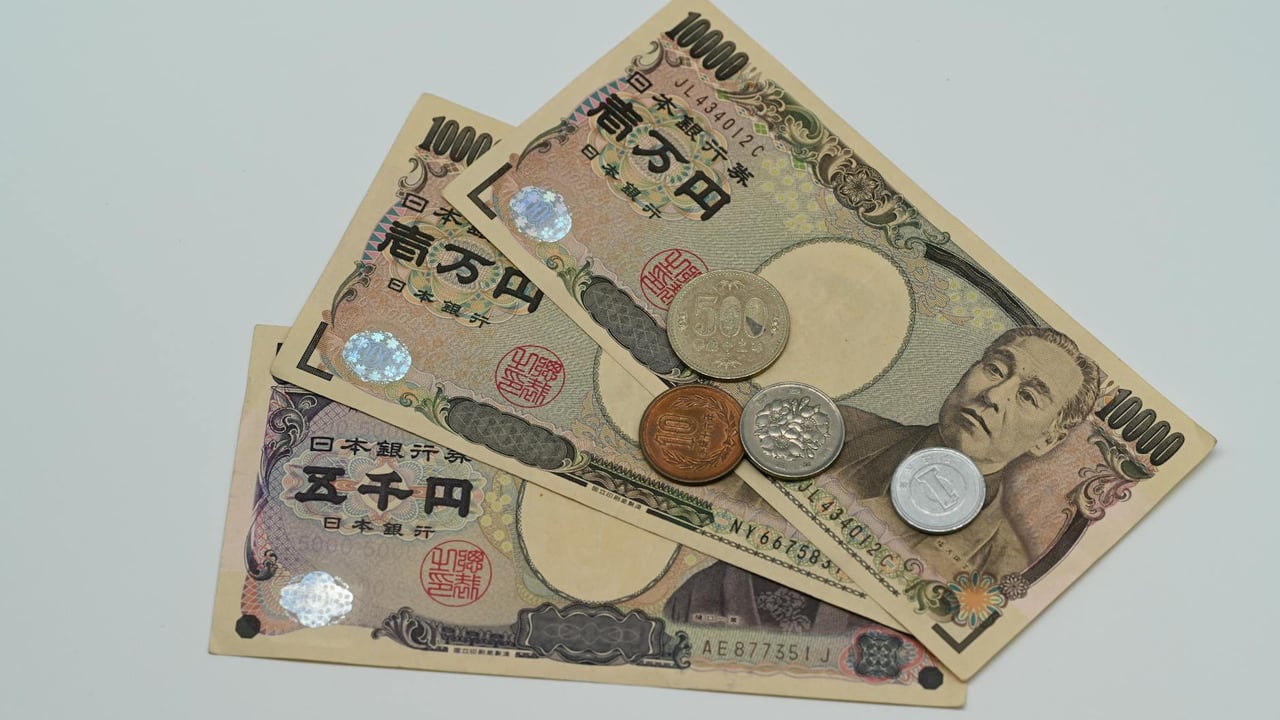

Japan’s prime minister, Sanae Takaichi, delivered an unusually pointed warning to financial markets on Sunday, promising that her government would take “all necessary measures” to counter speculative or exceptionally disorderly moves. Her comments, made during a televised party-leader debate, stopped short of naming whether intervention would target bond yields or the currency, but they came at a moment of acute market stress: the yen swung violently on Friday, briefly appreciating some 1.75% against the dollar after a string of moves that traders linked to a New York Fed inquiry.
The episode began in Europe and accelerated through New York’s trading session when dealers reported calls from the New York Federal Reserve asking banks about yen rates. Such inquiries are a classic precursor to official action, and market participants interpreted the outreach as a signal that any support for the yen would be coordinated rather than unilateral. Dollar/yen plunged from a session high near 159 to about 155.6 at its daily low, reversing much of the currency’s recent depreciation.
Japan has good reason to be nervous. Since Takaichi took office last October she has pursued tax cuts that have widened fiscal concerns, contributing to a steepening in Japanese government bond (JGB) yields and a roughly 4% fall in the yen. The resulting strain has exposed the fragility of long-term JGB demand: this month 30‑year yields jumped sharply, underscoring a supply–demand imbalance that is feeding both higher yields and currency weakness.
Market strategists have been quick to flag the broader implications of a possible U.S.–Japan joint intervention. If the Federal Reserve, via its New York branch, is probing market conditions in concert with Tokyo, then any intervention would be less likely to be framed as a one‑off defensive act and more as a coordinated effort to prevent disorderly moves that could spill into global asset markets. The mere expectation of coordination accelerated yen short covering on Friday and sent traders scurrying to reassess positions in equities and fixed income.
But intervention is not a panacea. Historical precedent suggests that even forceful foreign‑exchange operations often have only fleeting effects unless backed by substantive policy changes. Analysts from Goldman Sachs and others warn that market intervention cannot fix Japan’s deeper fiscal and structural imbalances: without a credible change in fiscal stance or a materially different Bank of Japan posture, the pressures on both the yen and JGBs are likely to re-emerge.
Political timing intensifies the stakes. Takaichi dissolved the lower house last Friday and set a snap election for 8 February, the shortest campaign-to-vote interval in the postwar era. With the government keen to show it can stabilise markets ahead of the vote, officials face a trade-off between short‑term reassurance via intervention and the longer-term policy adjustments that investors say are needed to restore confidence.
For global markets, a coordinated intervention would be consequential but ambiguous. In the near term it could arrest disorderly moves in the yen and reduce immediate strain on Japanese bond markets, lowering the risk of spillovers into U.S. Treasuries and equity indices. Over the medium term, however, only a combination of credible fiscal consolidation, clearer BOJ intent and improved JGB demand can remove the structural drivers of volatility; failing that, interventions risk becoming repeated, expensive stopgaps.