

Beijing now counts more than 1.3 million new-energy vehicles on its roads, a milestone the city flagged at its municipal people’s congress session. Officials say vehicles that are either battery-powered or meet China’s National V emissions standard make up more than 80% of the city’s car stock, reflecting a swift turnover toward cleaner transport in the capital.
The municipality has paired fleet regulations with infrastructure build‑out. In 2025 Beijing began a programme to retire and replace heavy and medium-sized buses and trucks that meet National IV standards or lower, prompting the removal of over 10,000 older freight and passenger vehicles. The city also registered 500 new-energy buses, while newly updated taxi, light postal and sanitation vehicle fleets are all electrified.
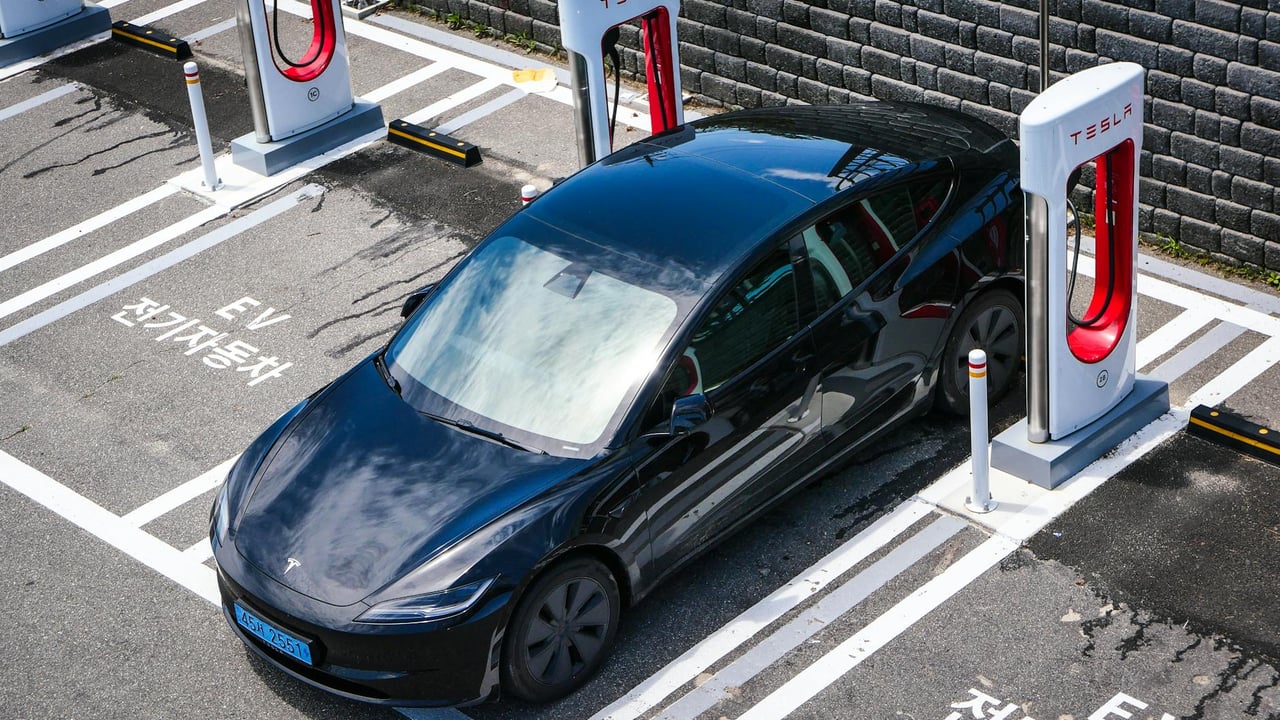
Charging capacity is expanding in parallel: officials report 1,044 electric-vehicle “super” charging stations and 11,263 newly added charging interfaces across the city. That mix of fast chargers and a growing number of plugs aims to blunt a perennial obstacle to electric mobility — range anxiety and access to convenient top-ups — in a dense, highly regulated urban market.
Those numbers matter beyond municipal pride. Beijing’s measures are part of a broader strategy to cut urban air pollution and greenhouse-gas emissions while supporting China’s domestic electric-vehicle industry. Electrifying public fleets — from buses to sanitation trucks and taxis — delivers immediate local air-quality benefits in a city that has long made clean air a political priority.
The policy menu on display also underscores how municipal governments in China can act as large-scale, demand-creating customers for EV makers and charging operators. Planned scrappage and replacement programmes accelerate turnover, concentrating purchases and registrations in a short time window and creating predictable demand that benefits manufacturers, local supply chains and charging-network providers.
There are, however, practical challenges. Rapid electrification raises questions about grid capacity, distribution of chargers across neighbourhoods, winter performance and the environmental management of used batteries. The headline figures do not say where chargers were built, who paid for them, or how peak electricity demand is being managed — all of which will determine whether growth remains sustainable and equitable as vehicle numbers rise.
For international observers, Beijing’s progress is a useful case study in how urban policy can speed the transition to electric mobility at scale. It demonstrates the leverage available to cities that combine regulation, municipal procurement and infrastructure spending. The model also magnifies secondary issues — grid upgrades, recycling ecosystems and consumer charging access — that other major cities will need to solve if they hope to replicate similar outcomes.
In short, Beijing’s milestone is a tangible sign of China’s continuing lead in EV adoption and charging infrastructure. But turning headline adoption into a long-term, low-emission transport system will require careful coordination across power, waste-management and urban-planning agencies as vehicle fleets and charging demand continue to grow.