

The Syrian Interim Government announced on January 24 that it would extend ceasefires across all operational fronts for a further 15 days, a short-term measure intended to freeze recent violence between government-aligned forces and the Syrian Democratic Forces (SDF). The move follows skirmishes in northern Aleppo that briefly threatened a broader escalation and was preceded by an agreement between the parties to pause hostilities and seek a political path forward.
The SDF, a coalition that long has dominated much of northern and eastern Syria, signed an integration agreement with the Interim Government in March 2025 promising to fold local forces into state institutions. Implementation of that deal has since stalled amid disputes over command structures, settlements of local authority and the fate of armed units that retain independent control on the ground.
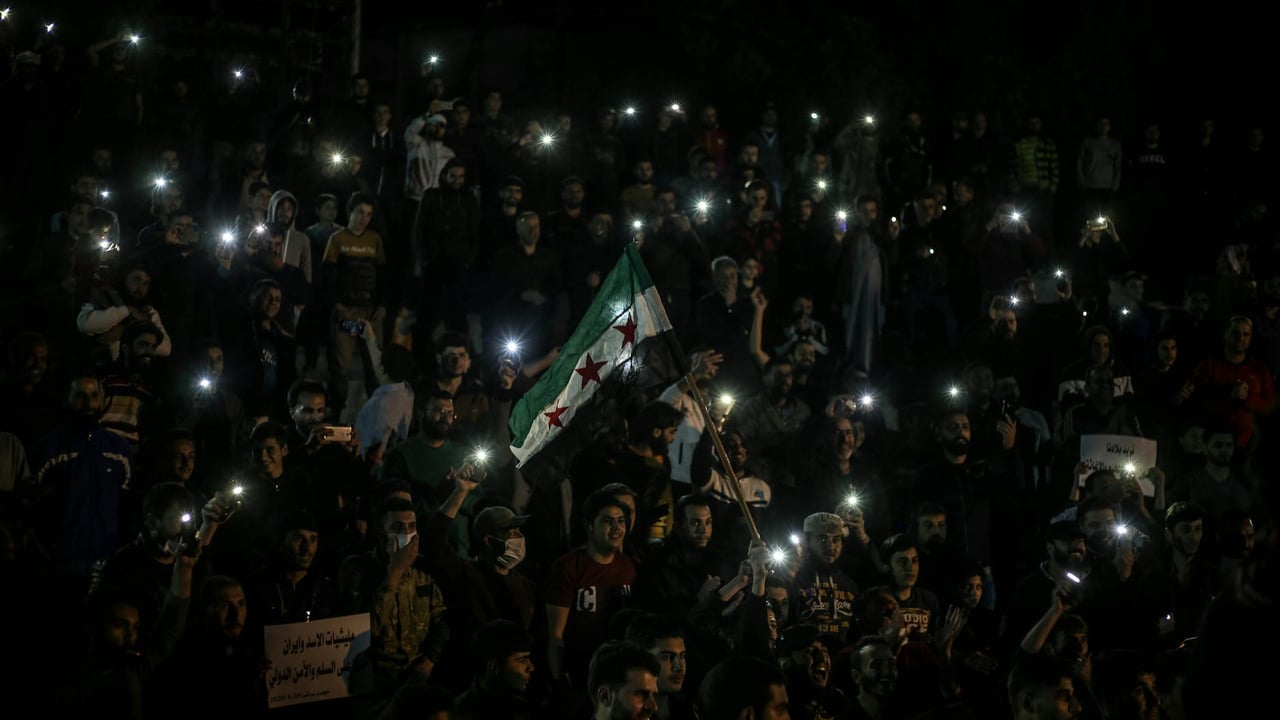
Images from Raqqa province underline the stakes: the Rashid Bridge was blown apart in recent fighting and satellite and aerial photos show heavy urban damage. Local people were filmed crossing the Euphrates by boat after the bridge was rendered unusable, and footage of crowds celebrating the ceasefire captures how civilians oscillate between relief and precariousness when hostilities pause.
The extension is significant less as a durable settlement than as a breathing space. For Damascus it is an interim means to assert a formal claim to sovereignty; for the SDF it is a tactical respite that preserves local authority while it calibrates demands for autonomy, integration and security guarantees. External patrons — notably Turkey, the United States and Russia — retain leverage and vetoes over local arrangements, complicating any neat handover of power to central institutions.
A fortnight-long truce provides limited time for confidence-building measures: prisoner exchanges, humanitarian access and technical talks on police and administrative integration. If those measures advance, the pause could become the scaffold for a wider political process; if they falter, the pattern of episodic clashes and short ceasefires is likely to resume, perpetuating displacement and delaying reconstruction in badly damaged cities such as Raqqa.
For now the extension should be read as a strategic pause rather than a turning point. It underscores the central challenge of Syria’s next phase: converting intermittent military agreements into a stable political settlement that addresses local governance, security sector reform and the complex web of regional interests that have shaped the war’s geography.