After more than four decades steering TCL from a small tape‑recorder maker to a global technology conglomerate, founder Li Dongsheng has stepped back from day‑to‑day management. On 19 January Li formally relinquished the CEO role of TCL Technology to Wang Cheng, a 52‑year‑old lieutenant who has spent 28 years inside the group. Li will remain as chairman and retain strategic control, while Wang moves to the operating front line as TCL confronts volatile markets and an ambitious overseas expansion agenda.
The handover is more than a personnel change: it marks a moment in which a company with reported assets of about RMB 3.8 trillion and annual revenue north of RMB 1.6 trillion enters a genuine post‑founder era. Li’s record is one of repeated reinvention — from telecoms to televisions, from risky overseas acquisitions to building a domestic panel champion — and the new CEO inherits both those strengths and the liabilities of heavy, cyclical industries.
Li’s career is instructive about how TCL reached this point. He joined the predecessor firm in 1982 as its 43rd employee, led the company into telephones and then colour televisions, and pushed bold internationalisation in the 1990s and early 2000s. A high‑risk acquisition spree in 2004 left TCL badly exposed to the industry’s technological shift from CRTs to flat panels, producing heavy losses in 2005–06 and forcing a deep internal reset.
The turnaround that followed hinged on two big strategic bets. First, a large commitment in 2009 — roughly RMB 24.5 billion — to build liquid‑crystal display fabs under TCL Huaxing (China Star) shifted TCL from assembler to panel manufacturer and helped break the long standing hold of Korean and Japanese suppliers. Second, the 2020 acquisition of Zhonghuan for about RMB 12.5 billion moved TCL into photovoltaic materials, where the group has pushed for scale advantages — notably through the adoption and promotion of G12 (210mm) silicon wafers.
Those investments rewrote TCL’s industrial identity. The group restructured into two listed cores — TCL Technology, housing capital‑intensive display and photovoltaic businesses, and TCL Industrial, holding the lighter‑asset consumer‑electronics operations — a ‘‘twin‑engine’’ approach designed to align capital intensity with business models and make each unit more investible.
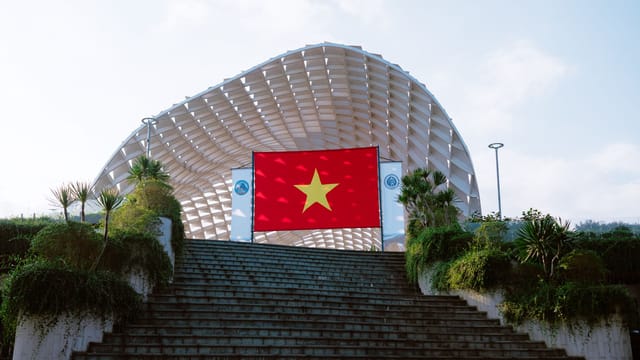
Wang Cheng is the operational choice to carry that model forward. He rose through TCL’s global commercial ranks, running manufacturing and sales in Vietnam, shaping the company’s European footprint and, crucially, leading a successful repositioning in North America. Under his direction TCL’s TVs surged in the US market and in early 2019 briefly out‑shipped Samsung in a quarterly NPD report — a visible demonstration of TCL’s ability to build global consumer momentum.
But the timing of the succession amplifies rather than reduces the challenge. Days after Wang took the CEO role, TCL Electronics signed a memorandum with Sony to form a 51%‑owned joint vehicle to assume Sony’s global home‑entertainment business. The deal, if completed, would fold a historic premium brand into a Chinese industrial ecosystem and accelerate TCL’s exposure to global brand management, software and services — fields where scale matters but so do reputation and aftercare.
Operationally TCL’s two heavy‑duty assets sit in choppy waters. Display manufacturing is stabilising after years of oversupply, yet generational shifts to OLED and Mini‑LED demand fresh R&D and capex choices. Photovoltaics is in a brutal cycle: overcapacity and price pressure in 2024–25 have produced substantial losses at Zhonghuan, which the company forecasts could reach RMB 82–96 billion in 2025. That drag forces difficult trade‑offs between protecting margins, defending market share with larger wafer formats and accelerating automation and decarbonisation investments to meet European carbon rules.
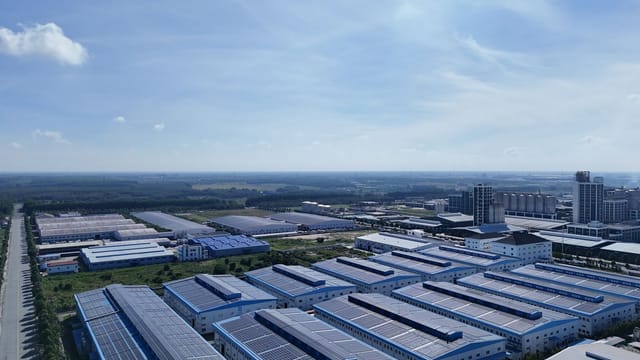
Strategically, Li tasked TCL with ‘‘rebuilding five TCLs overseas’’ — a doctrine of turning sales markets into local industrial hubs. That aspiration collides with rising trade frictions, regulatory scrutiny, and the complexity of transplanting capital‑intensive industrial footprints into regions with different labour, tax and political environments. Execution will demand granular country‑level management, risk mitigation for supply‑chain shocks, and patience for returns that may take years to mature.
Finally, the succession tests TCL’s organisational culture. Li’s personal imprint runs deep; the firm’s willingness to make large, conviction bets reflects his leadership DNA. Wang must preserve long‑term resilience while professionalising governance, injecting younger talent and codifying decision rights between a still‑powerful founder‑chair and an activist CEO. How he balances continuity with overdue institutional change will decide whether TCL converts founder legacy into a durable corporate model.
For global observers, TCL’s transition matters because it illustrates how Chinese corporate champions are evolving. The firm bridges consumer electronics, advanced manufacturing and renewable‑energy materials — sectors central to geopolitics and industrial policy. Its next moves on brand building, overseas industrial footprinting and next‑generation display and PV technologies will be an early indicator of how commercially driven Chinese conglomerates navigate a more fragmented world economy.