
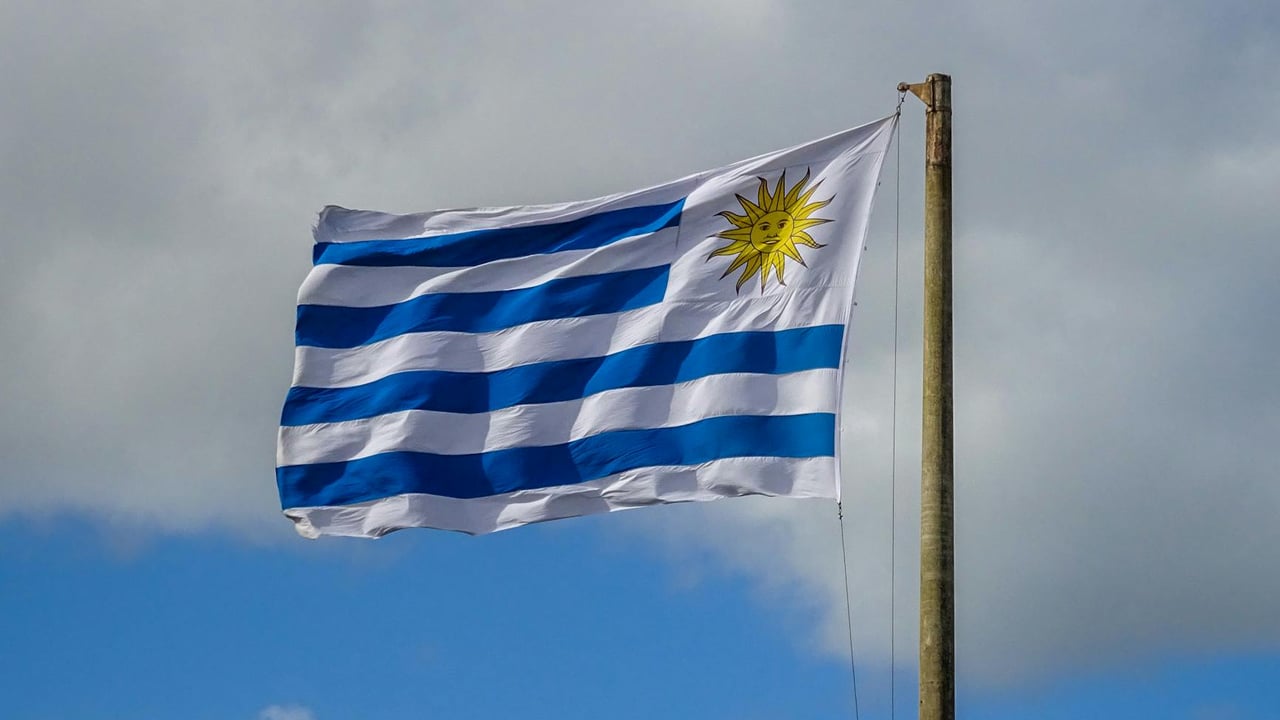

China announced on January 26 that Uruguay’s President Orsi will make a state visit to Beijing, the first of its kind between the two countries. Foreign Ministry spokesman Guo Jiakun said President Xi Jinping will meet Orsi to discuss deepening the two nations’ comprehensive strategic partnership, advancing high‑quality Belt and Road cooperation, and exchanging views on international and regional issues.
Guo framed the trip as a strategic, leadership‑level opportunity to accelerate bilateral ties; Beijing says it expects the visit to “play a positive role” in pushing the partnership further. The announcement was made at a routine press briefing and reflects Beijing’s steady diplomatic engagement with smaller Latin American states even as competition with Western powers continues to shape regional dynamics.
For Uruguay, a small but open economy with a heavy reliance on agricultural exports and port logistics, elevated ties with China carry immediate economic appeal. China is already a major trading partner for many countries in the region, and a state visit provides a platform for negotiating market access, infrastructure financing, technology cooperation, and agricultural trade facilitation that could boost Uruguayan exports.
Geopolitically the trip matters beyond trade. Beijing has been cultivating deeper ties across Latin America as part of a broader strategy to secure markets, raw materials, and diplomatic support, while showcasing its alternative model of development finance through Belt and Road frameworks. For Washington and other external actors, growing China–Uruguay rapprochement will be read as another instance of Beijing widening its footprint in a region historically within U.S. influence.
Concrete outcomes will determine the visit’s lasting significance. State visits are high‑profile signals that can unlock memoranda of understanding, credit lines, and pilot projects, but they do not guarantee successful implementation or broad political consensus at home. Observers will watch for announcements on infrastructure, port cooperation, agricultural trade deals, or technology partnerships and for how Uruguay manages domestic debates over foreign investment and strategic alignment.