High-Speed Rail Links Yan'an and Zunyi, Cutting Travel Time and Boosting Red Tourism

China inaugurated a direct high-speed rail service between Yan'an and Zunyi, cutting travel time between the two revolutionary sites from over 16 hours to just over eight. The route connects major inland hubs and is intended to spur red tourism, regional economic integration and rural revitalisation in former revolutionary base areas.

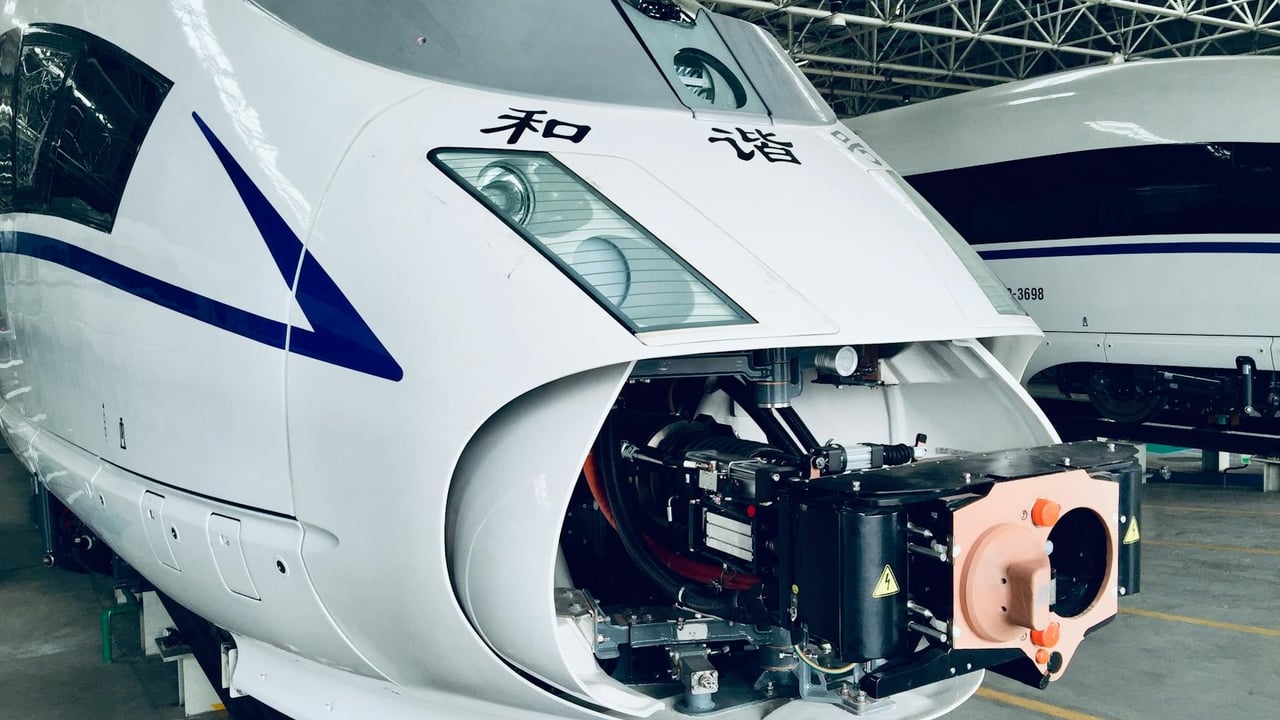
Close-up of a high-speed train undergoing maintenance in a Tangshan workshop, China.

Key Takeaways

  • 1The inaugural G3351 service establishes the first direct high-speed rail link between Yan'an and Zunyi.
  • 2The roughly 1,230 km route halves travel time from more than 16 hours to just over eight hours.
  • 3The line connects key cities including Yan'an, Xi'an, Chengdu and Chongqing, enhancing Chengdu–Chongqing–Guizhou integration.
  • 4Authorities plan cross‑province red-tourism routes and deeper cooperation on industry, rural revitalisation and cultural exchange.
  • 5Officials present the link as part of national rail-network optimisation to boost economic development in revolutionary base areas.

Editor's
Desk

Strategic Analysis

This high-speed connection is a practical infrastructure improvement and a deliberate political-economic gesture. By knitting two emblematic revolutionary sites into a faster national network, Beijing advances multiple goals at once: expanding domestic tourism and the patriotic-education ecosystem, promoting economic development in inland regions, and demonstrating the state’s capacity to mobilise resources for politically resonant projects. The success of the initiative will hinge on translating faster trains into sustained local gains — diversified investment, year-round tourist demand, and better logistics — while avoiding the common pitfalls of uneven benefit distribution and ecological strain. Strategically, the link tightens integration between western interior cities and China’s core economic zones, a priority for long-term rebalancing of growth away from the coast.

China Daily Brief Editorial
Strategic Insight
China Daily Brief

An inaugural run of train G3351 on January 26 heralded the first direct high-speed rail connection between Yan'an and Zunyi, two cities steeped in China’s revolutionary history. The service marks a practical and symbolic linking of two “red” strongholds, opening a faster corridor through the country’s interior and signalling a new phase of inter-regional connectivity.

The new link spans roughly 1,230 kilometres and reduces journey times between the two cities from more than 16 hours to just over eight. The route threads together a string of major hubs — including Yan'an, Xi'an, Chengdu and Chongqing before reaching Zunyi — and strengthens ties between the Chengdu–Chongqing economic area and central Guizhou.

Rail operators frame the connection as more than a transport upgrade. China Railway Xi'an Group describes the link as a key step in optimising the national rail network and as a fresh opportunity to develop red cultural tourism and regional economic cooperation. Officials say the quicker movement of people, goods and information will supply “strong momentum” for higher-quality development in former revolutionary base areas.

Plans are already in motion to leverage the corridor for tourism and wider socio-economic projects: provincial authorities intend to roll out cross‑border red-tourism itineraries, deepen industrial collaboration, promote rural revitalisation and expand cultural exchanges. For visitors, the route promises easier access to museum exhibitions, historical sites and commemorative events that form part of the party-state’s living memory of the revolutionary era.

Beyond tourism, the connection has broader strategic value for regional integration. Faster travel can reshape logistics and labour links across western and central China, helping to distribute growth away from the eastern seaboard. That said, the ultimate payoff will depend on managing environmental and social impacts, sustaining ridership and ensuring that local communities capture the economic benefits rather than just serving as waystations for transit and sightseeing.

Share Article

Related Articles

📰
No related articles found