

Federal law-enforcement officers shot and killed a 37-year-old man in Minneapolis on January 24, touching off a rare public split between the Trump administration and prominent American gun-rights organisations over when carrying a firearm can justify lethal force.
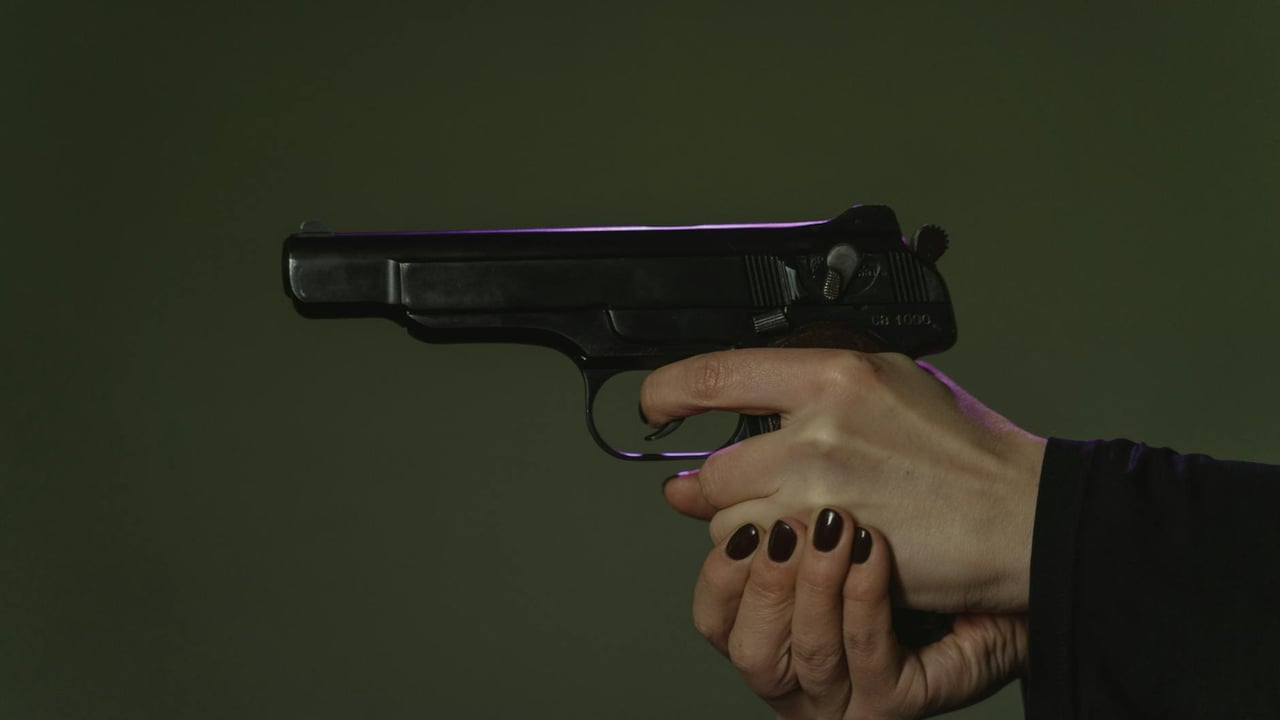
The Department of Homeland Security publicly stressed that the man was armed, posting images of a 9mm handgun and framing the shooting as an instance of officers defending themselves. Administration allies repeated the line that anyone who approaches law enforcement with a weapon risks being shot; one prosecutor retweeted the department’s post and warned that carrying a firearm close to officers could place someone legally within the crosshairs.
But the narrative advanced by the federal government was quickly challenged after multiple videos of the encounter circulated online. Broadcasters and social-media footage appear to show officers pinning the man to the ground while he holds what looks like a phone, and analysts of the clips say federal agents had already disarmed him before they opened fire. Minneapolis police also confirmed the man held a legal permit to carry a firearm, adding a legal wrinkle to the administration’s assertion.
That sequence prompted public pushback from organisations normally aligned with gun owners’ interests. The National Rifle Association called the suggestion that merely being armed makes one a lawful target “dangerous and wrong,” urging that public figures await the results of a full investigation rather than demonise a lawful gun owner. Other groups, including national and state-level gun-rights associations, demanded a transparent inquiry and insisted that the constitutional right to bear arms extends to those who are lawfully carrying while attending protests or observing events.
The dispute matters for several reasons. It illuminates a legal and political fault line over what constitutes a credible threat to officers, and whether carrying a firearm in public—where it is legal—can ever be treated as a proximate justification for lethal force. It also complicates the administration’s efforts to portray protests and demonstrations as uniformly dangerous, because some of its usual allies fear that such rhetoric could erode the rights of lawful gun owners and set a damaging precedent for the executive branch to justify killings by pointing to mere possession of a weapon.