
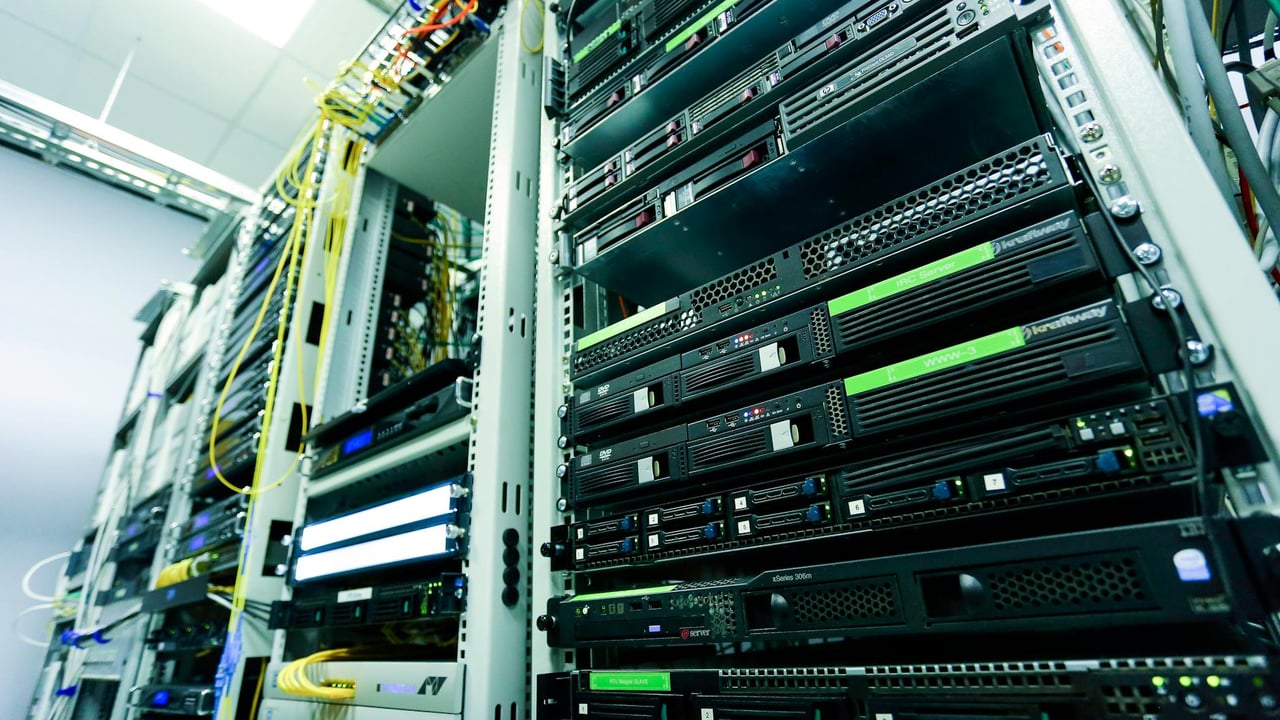

TikTok’s American data‑security joint venture reported a major infrastructure disruption on January 26 after a power outage at a US data‑center partner site, saying it was working with the provider to restore full functionality. The company told users that while the network connection had been reestablished, a cascade of system failures persisted, producing slow load times, request timeouts and temporarily incorrect metrics—such as view and like counts showing zero.
The episode is a practical test of the technical resilience behind TikTok’s US data‑localization arrangements, which were designed to reassure Washington about control and oversight of American users’ data. The joint venture—set up as part of a broader strategy to separate US user data from parent company systems—relies on third‑party data‑center infrastructure to host and process traffic; an external power fault, the firm said, produced knock‑on effects across multiple services.
For users and advertisers the immediate effects are familiar: interrupted access, degraded experience and uncertainty about analytics accuracy. For regulators and policymakers the failure highlights a different risk: even if control over data flows is legally and organisationally partitioned, physical dependencies—electricity, cooling, network interconnects and outsourced operations—create single points of failure that complicate any neat separation of control.
The disruption came at a time when large parts of the United States were experiencing extreme winter weather and grid strain, which news outlets reported had led to widespread outages. TikTok’s statement did not explicitly link the data‑center outage to weather events, but the coincidence underlines how public‑facing platforms remain vulnerable to local infrastructure shocks beyond their immediate control.
Operationally, the incident underscores the limits of reputational and regulatory remedies that focus narrowly on corporate governance or ownership. Robust contingency planning—diversified hosting, geographically separated failover, quarterly disaster‑recovery testing and clearer service‑level agreements with infrastructure partners—matters as much as boardroom firewalls when the goal is to keep user data both secure and accessible.
The episode is unlikely to change the broad contours of the policy debate over TikTok in the short term, but it gives fresh ammunition to critics who argue that technical and physical supply‑chain realities complicate assurances about control. If outages of this kind recur, they will increase pressure on the company to publish more granular post‑incident reports, bolster technical safeguards and demonstrate that its US operations can stand alone during infrastructure stress.
For users, the near‑term question is simple: when will service and analytics fully recover? For policymakers, the more structural question is whether data‑localization schemes genuinely reduce national‑security risks if they remain dependent on the same commercial infrastructure as other global platforms.