
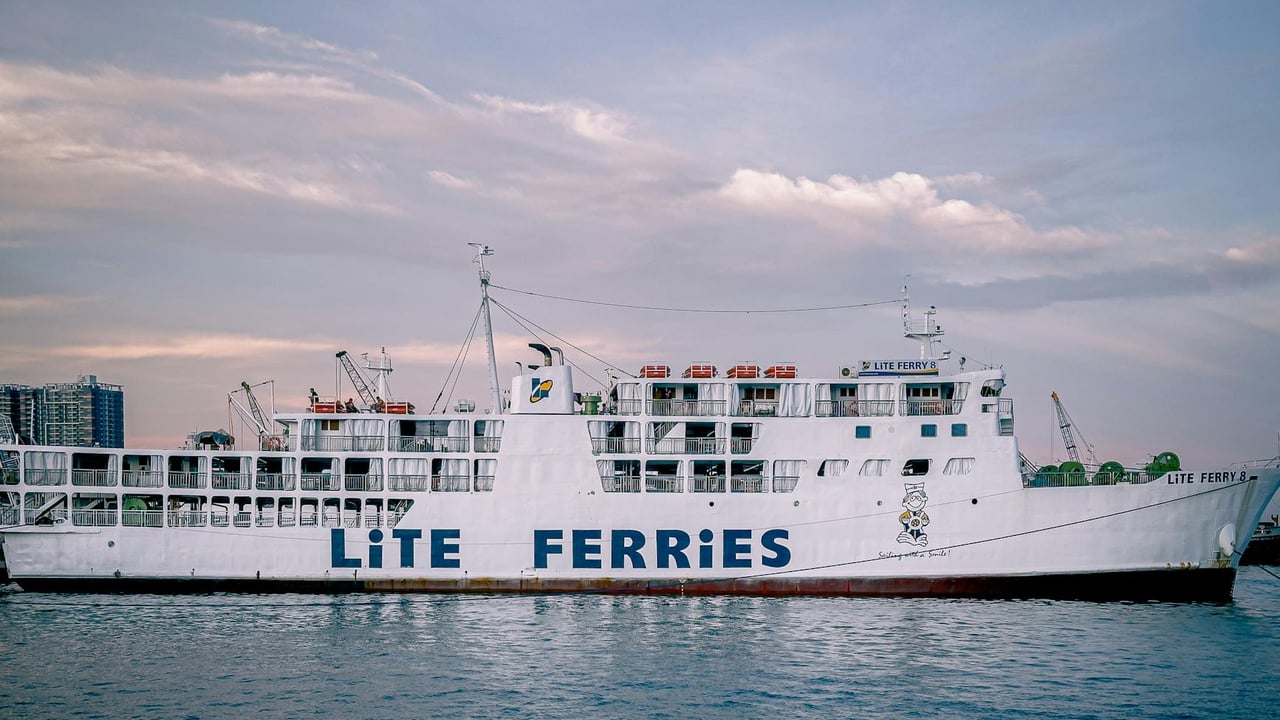

A roll-on/roll-off passenger ferry en route from Zamboanga to Jolo sank in the early hours of 26 January, leaving at least 18 dead, 24 unaccounted for and more than 300 survivors. The inter-island vessel, identified as the Teresa Kustin 3, carried roughly 332 passengers and 27 crew when it reportedly suffered a technical failure and foundered about five kilometres east of Baluk-Baluk Island in Basilan province. The ship issued a distress signal around 01:50 local time, more than four hours after leaving port, and rescue units have been scouring the area since.
Philippine Coast Guard and navy ships joined a task force that included an aerial reconnaissance plane, an air force Black Hawk helicopter and a flotilla of fishing boats in the search-and-rescue operation. Officials say at least 317 people have been pulled from the water and taken to nearby Isabela City for treatment, while harrowing video from the pier showed barefoot survivors wrapped in blankets and the deceased being moved in body bags. Local authorities report overwhelmed medical and emergency services as relatives flood phone lines seeking news of loved ones.
The immediate cause of the sinking remains under investigation. Coast Guard commanders said they had inspected the vessel before departure and found no obvious signs of overloading, and some survivors described severely rough seas at the time. Still, the incident fits a familiar pattern in the archipelago: frequent storms, poor vessel maintenance, lax enforcement of safety rules and the widespread use of ageing, low-cost ferries to connect more than 7,000 islands.
The human tragedy is mirrored by institutional shortcomings. Maritime safety in the Philippines is constrained by limited inspection capacity in remote provinces, a fragmented regulatory and enforcement environment, and chronic underinvestment in both vessel modernization and emergency response infrastructure. The 1987 collision that sank the Dona Paz, killing more than 4,300 people, remains the touchstone for how deadly lapses can be; despite repeated warnings and piecemeal reforms, systemic weaknesses persist.
The sinking will intensify pressure on Manila to tighten oversight, improve weather advisories, and modernize the domestic passenger fleet — but meaningful change will require funding and political will. Short-term priorities include completing a transparent investigation, accounting for the missing, and improving manifest controls and passenger-list accuracy. Longer-term fixes call for stricter enforcement of maintenance standards, better training for crews, investment in search-and-rescue capacity in outlying provinces, and regional cooperation on maritime safety standards.
For families and communities across the southern Philippines the immediate toll is human and personal; for policymakers the disaster is another reminder that geography, climate volatility and institutional neglect combine to make routine crossings perilous. How Manila responds will determine whether this sinking becomes another, avoidable statistic or the catalyst for sustained reform.