
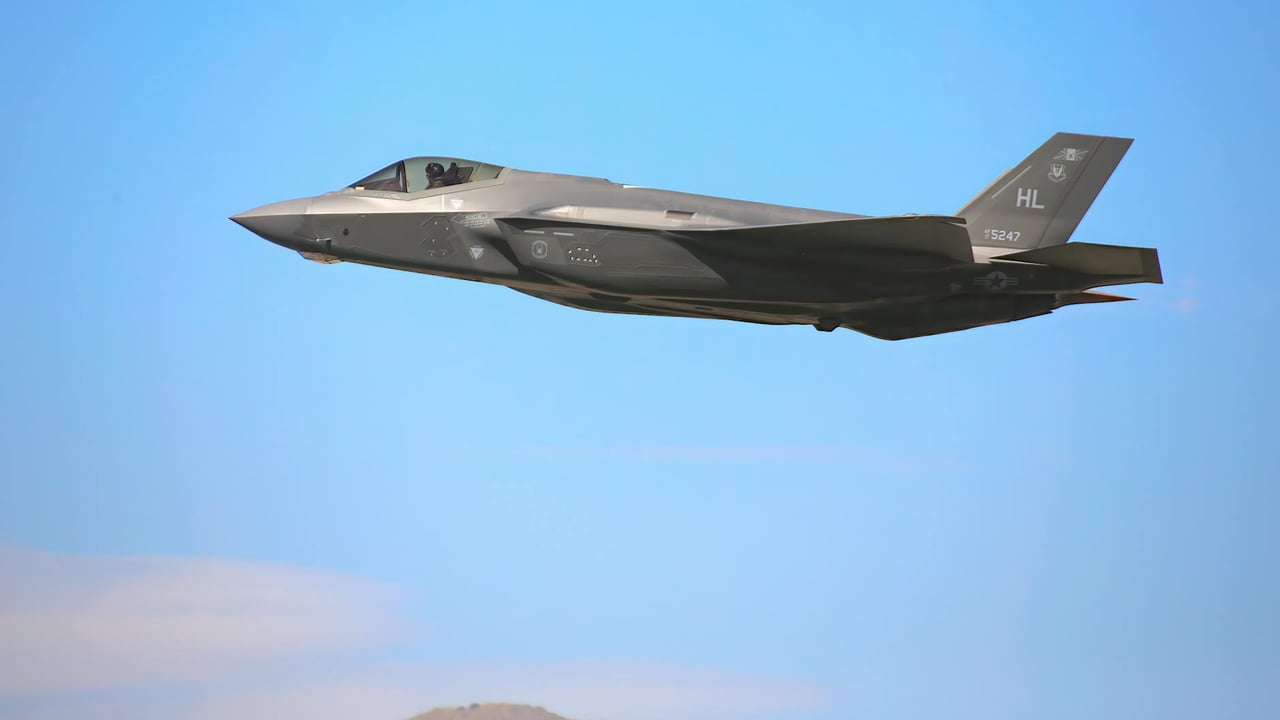

The Pentagon is preparing Misawa Air Base in northern Japan to receive 48 F-35A stealth fighters, part of a 2024 plan to modernize tactical aircraft stationed in Japan and to replace 36 aging F-16s. U.S. media reported this week that work is under way at the key forward base as Washington moves to boost its air combat capabilities on the first island chain.
Misawa, a joint-use installation hosting both U.S. Air Force and Japan Air Self-Defense Force units, is strategically positioned for operations across the Sea of Japan and into the northwestern Pacific. Forward-basing advanced stealth aircraft there shortens response times and deepens operational integration with Tokyo, enhancing joint deterrence and air-combat reach in a region marked by growing Chinese and North Korean military activity.
The F-35A brings markedly different capabilities from the legacy F-16: stealth, distributed sensor fusion, longer-range networking and more advanced munitions carriage. Replacing 36 F-16s with 48 F-35As does not simply swap airframes; it raises the base’s stealthy first-strike and suppression-of-enemy-air-defenses capacity and increases sortie-generation potential for high-end air operations.
Operationalizing the F-35 at Misawa will require runway, hangar and sustainment upgrades, expanded secure communications and munitions handling facilities, and a larger maintenance footprint. Those infrastructure and logistical changes create a longer-term U.S. presence even if the squadrons are formally rotational, and they will shape training rhythms with the JASDF and other regional partners.
The move will be read in Beijing and Moscow as a hardening of U.S. forward posture. For allies and partners in the Indo‑Pacific it is a reassurance of Washington’s commitments; for adversaries it is a signal of rising conventional deterrence. Tokyo will have to manage domestic sensitivities about hosting more advanced offensive systems even as it deepens interoperability with U.S. forces.
Questions remain about timing, basing status (permanent versus rotational), and the political negotiations that will accompany infrastructure upgrades and munitions basing. But the decision to field a larger, stealth-capable force at Misawa fits a broader U.S. effort to rebalance force posture in the Indo‑Pacific toward high-end deterrence and more resilient forward operations.