
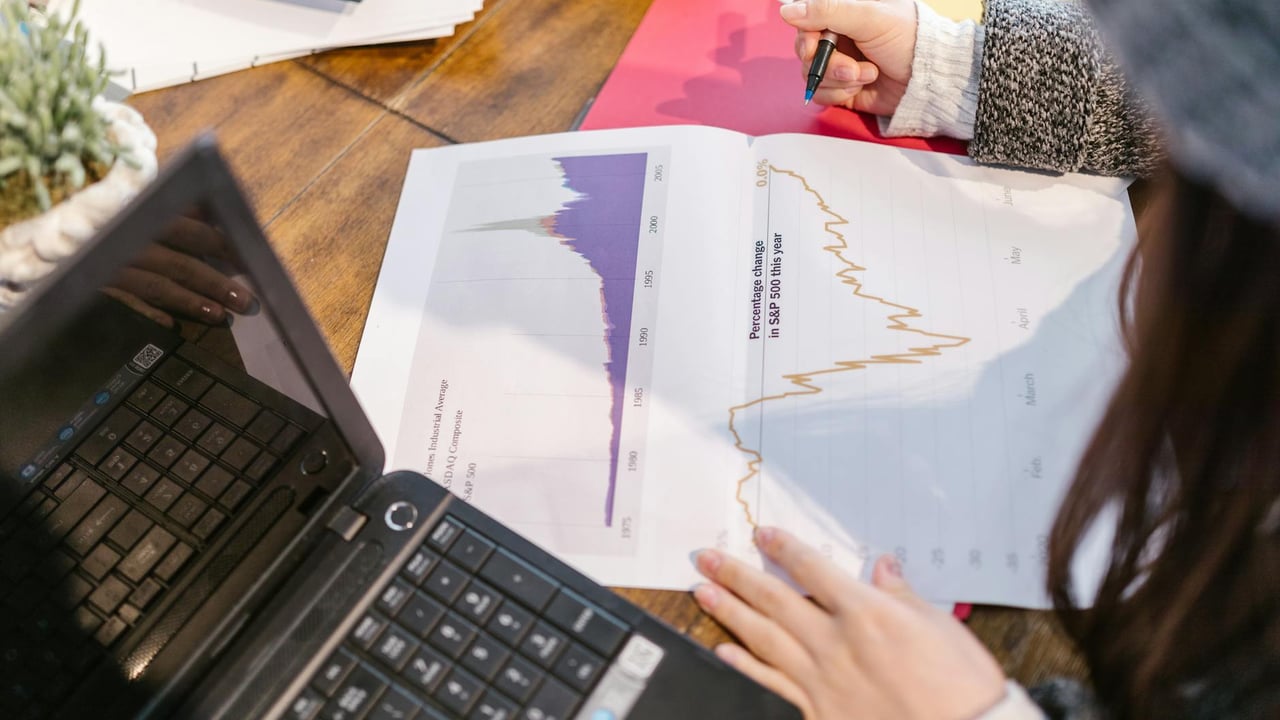

Global markets opened the week with a jolt: a weakening dollar—prompted in part by remarks from former US president Donald Trump—sent precious metals sharply higher while US equities crept to fresh milestones. Spot gold surged to roughly $5,180 an ounce, a record high, and spot silver jumped double digits, even as the S&P 500 closed at a new record. The moves reflect a collision of geopolitical risk, commodity-driven inflationary pressure and shifting currency dynamics.
For Chinese policymakers and investors the moves arrive amid a busy diplomatic calendar. Britain’s prime minister will visit Beijing from January 28–31, the first such trip by a UK leader in eight years, carrying a delegation of more than 50 corporate executives across finance, pharmaceuticals, manufacturing, and culture. Beijing has signalled it will treat the visit as an opportunity to lock in trade and investment deliverables, preparing joint documents on trade and investment and convening business forums that together reveal Beijing’s appetite for measurable economic outcomes from high-level diplomacy.
At home, Beijing’s economic picture remains uneven. New central bank statistics show that yuan-denominated real-estate lending declined through 2025: total property loans fell year-on-year, with both developer and personal housing loan balances down. Those trends underline persistent stress in China’s housing sector even as authorities continue to look for ways to stabilise demand and shore up local finances.
Regulatory and industrial developments add texture. The State Council has approved a comprehensive revision of the drug administration implementation rules—the first full overhaul in 23 years—effective May 15, 2026, signalling stronger support for innovation and faster clinical translation of new drugs. That regulatory momentum coincides with a domestic biotech win: a candidate small-molecule drug targeting elevated Lp(a) from a unit of Hengrui Pharmaceuticals secured a “breakthrough therapy” designation from China’s drug regulator, an endorsement that could speed its development timeline.
Across manufacturing supply chains, pricing pressure is emerging. Two Chinese semiconductor suppliers announced significant price hikes—one citing increases of 15–50% on certain chips and another noting some products up 80%—a sign that component shortages or rising input costs are filtering through to buyers and could feed broader inflationary pressures for electronics and industrial supply chains.
Market supervision also tightened: China’s major futures exchanges recently restricted positions and outflows for groups of clients found to have failed to declare related-party control structures, reflecting Beijing’s push to stamp out concentration risks and opaque position-taking in commodity markets even as those markets themselves surge.
Taken together, the headlines—from diplomatic outreach to drug-regulation reform, semiconductor price moves, property loan contraction, and the precious-metals frenzy—paint a picture of an economy in transition. External flows and currency moves are elevating commodity prices and reshaping portfolio decisions, while Beijing pursues targeted reforms and commercial diplomacy to pry open new growth avenues.
For global investors and policymakers, the immediate implication is twofold: a softer dollar and higher commodity prices complicate the outlook for inflation and central-bank policy, while Beijing’s diplomatic and regulatory signals suggest China remains determined to manage economic rebalancing via a mix of opening-up, industrial support and tighter market oversight.