
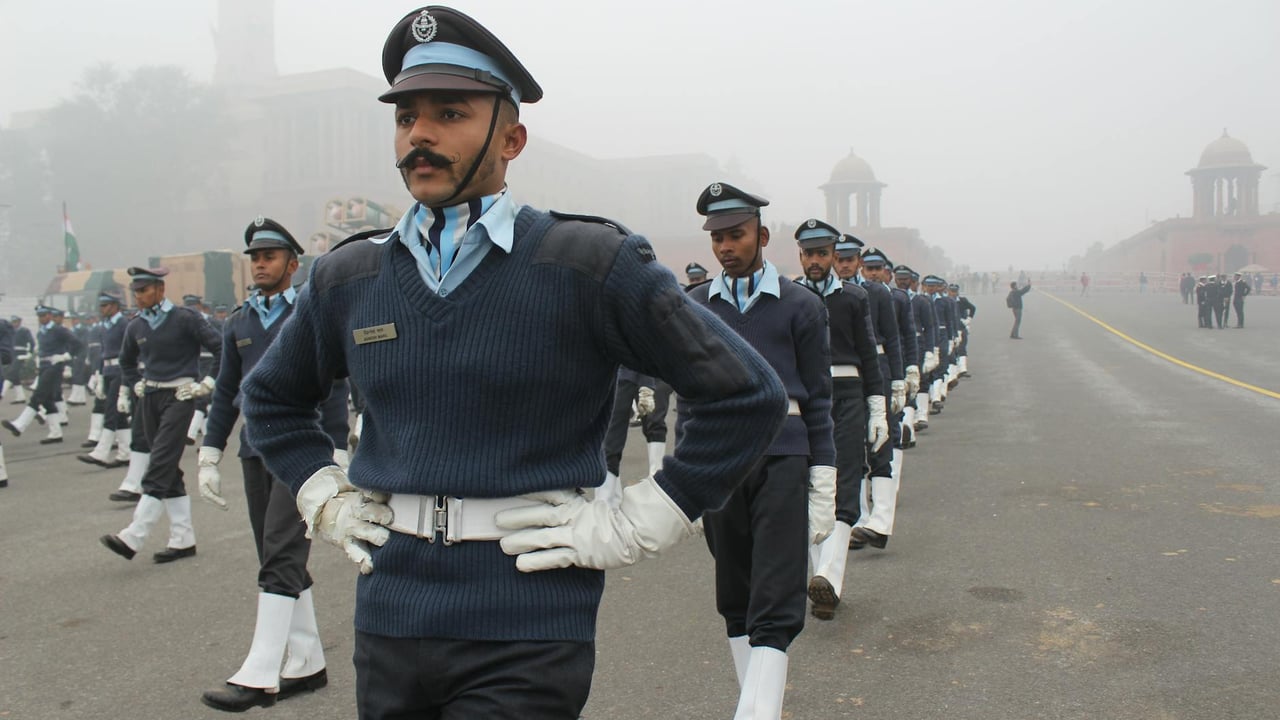

A new "animal platoon" made a public debut at India's Republic Day parade this week, featuring camels, horses, birds of prey and military working dogs. The spectacle joined the usual phalanx of tanks, missiles and marching troops, offering a deliberately folkloric counterpoint to cutting-edge hardware and a reminder of the armed forces' non-technological assets.
Camels and horses carry deep historical and regional resonance in India: camel-mounted Border Security Force units patrol arid frontiers, while ceremonial cavalry evokes colonial-era military traditions that have been repurposed into national pageantry. Birds of prey appeared as part of an anti-bird-strike and crowd-control repertoire that civilian airports and security services have increasingly deployed, and military dogs—longstanding assets in explosives detection and search-and-rescue—were showcased for their operational value and public appeal.
The introduction of an animal contingent is partly about spectacle. Large state parades are carefully stage-managed moments of national self-presentation; they knit together diversity, history and contemporary state capacity into a single narrative. For domestic audiences, the tableau underlines continuity with rural India and evokes pride in a broadly inclusive image of national defence that reaches beyond tanks and jets.
There is also a practical dimension. In frontier regions where terrain or logistics limit mechanised mobility, animals remain operationally useful. Camels are better suited than vehicles for some desert patrols, and dogs continue to be indispensable for counter-explosive work. Displaying these assets publicly signals that the security establishment values a range of tools calibrated to India's varied geographies.
The move will be watched abroad for its optics rather than its threat. It projects cultural soft power—an image of a state that can marshal tradition and modernity in the same breath—without altering military balances. Yet it also reinforces a familiar trend: militaries increasingly use ceremonial occasions to shape narratives about identity, discipline and public service at home, while reassuring external audiences that defence institutions are broadly popular and connected to society.
The animal platoon's appearance may invite questions about welfare, training standards and long-term roles for such units as the armed forces modernise. For policymakers, the key challenge will be to sustain the operational readiness and ethical stewardship of these animals as their symbolic value rises alongside public scrutiny.