
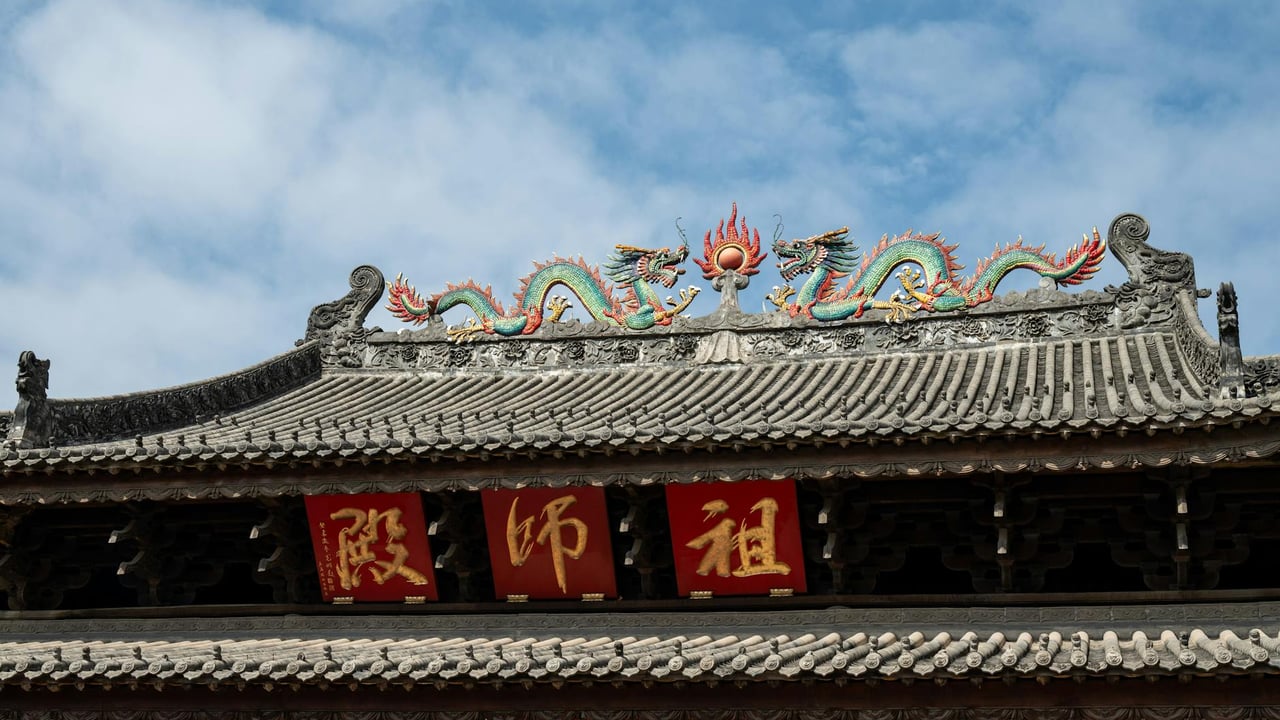

China will host the first formal event of its 2026 APEC presidency from February 1 to 10 in Guangzhou, the Foreign Ministry announced at a routine briefing. Foreign Ministry spokesman Guo Jiakun said the meetings include the first APEC senior officials meeting and related sessions, marking the official launch of the country’s APEC calendar.
Beijing has framed the meetings around the 2026 APEC theme, “Building an Asia‑Pacific Community for Common Prosperity,” and three priority areas: openness, innovation and cooperation. The Guangzhou programme is expected to include more than 50 events and draw roughly 1,000 delegates from member economies, the APEC Secretariat and the Business Advisory Council, with preparatory work described as proceeding smoothly.
The early senior officials meeting is significant because it sets the technical and diplomatic groundwork for the leaders’ informal summit that China will host in November. Senior officials will negotiate the architecture of cooperation across working groups — from trade and digital economy to connectivity and resilience — and compile material that ministers and heads of government will consider later in the year.
Guangzhou’s selection is itself a signal: as a major commercial hub in the Pearl River Delta and a pillar of the Greater Bay Area, the city allows China to showcase coastal openness, trade capacity and modern industrial strengths. For Beijing, the APEC platform offers a relatively low‑risk multilateral stage to advance economic governance preferences, promote digital and infrastructure initiatives, and highlight commitments to regional integration without immediately confronting more combustible bilateral security issues.
Nevertheless, the diplomatic payoff will depend on substance. APEC is designed to be consensus‑based and nonbinding, which helps keep participation broad but limits the forum’s capacity to resolve geopolitical friction or impose rules. Expect concrete deliverables to take the form of joint statements, project pledges and working‑level roadmaps rather than sweeping regulatory changes, while China uses the year to shape narratives and build momentum on priorities it deems compatible with its strategic and economic interests.