

On the morning of January 28, a solemn send‑off was held at the martyrs' cemetery in Licheng County, Changzhi, Shanxi, as the remains of three men long buried locally were escorted back to their native provinces for burial. The three—Zhu Xianhuai (朱宪怀) from Guangyuan, Sichuan; Shi Chengfu (史成福) from Jize, Handan, Hebei; and Guo Jingui (郭金贵) from Qiu County, Handan, Hebei—are reported to have fallen during the Anti‑Japanese War and had rested in Licheng for decades before modern identification work began to take them home.
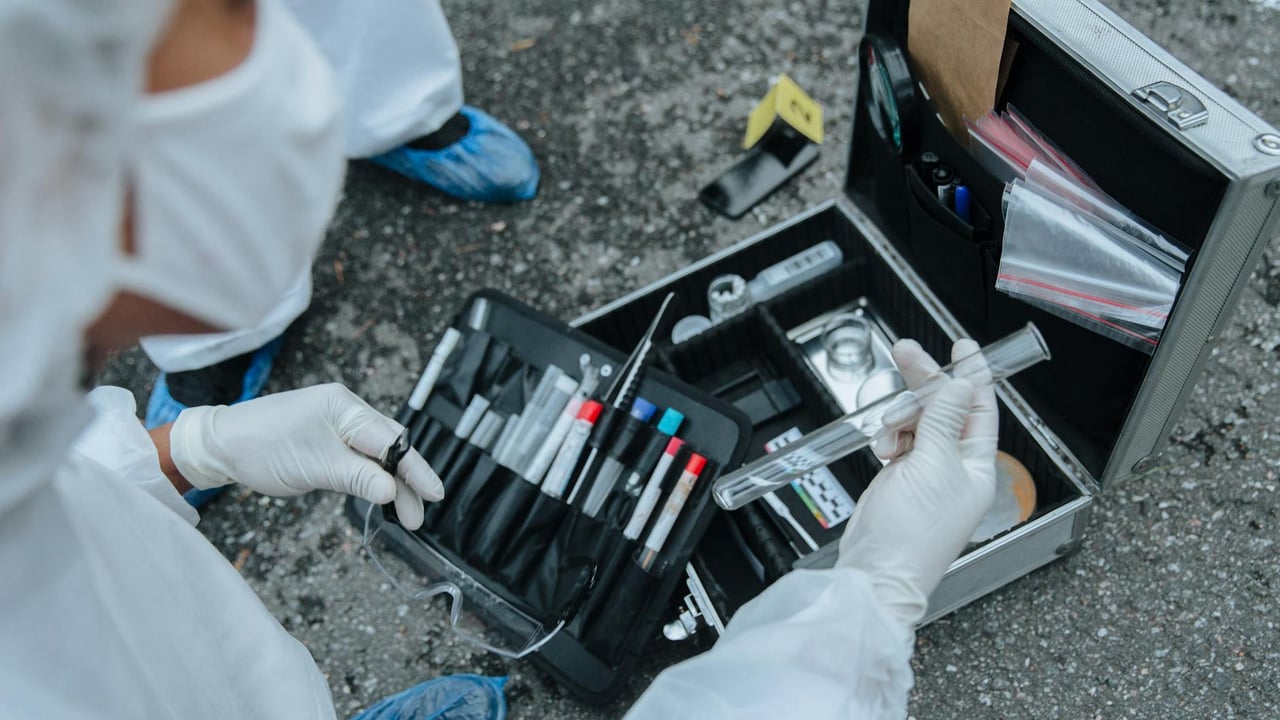
The return followed a multi‑year effort by Licheng County authorities, who began scientific identification and family‑search work in 2025. County teams combined DNA testing with field visits, forming four working groups that travelled to dozens of villages and hundreds of households to match genetic results with living relatives and documentary evidence. The local government presented the repatriations as the culmination of that cross‑disciplinary effort to give names to the previously unidentified dead.
Local officials framed the repatriations as both a moral duty and a public act of remembrance. The county party vice‑secretary and magistrate described the day as an expression of respect for those who sacrificed for national independence, while relatives—some who had waited generations for news—joined the procession as the hearses departed for Sichuan and Hebei. The visible emotions of family members underscored the personal as well as collective dimensions of returning the dead to their kin.
Licheng sits deep in the Taihang Mountains of southeastern Shanxi and is historically a red revolutionary area that provided logistics and shelter to the Eighth Route Army during the war against Japan. Many combatants and local partisans were buried there, often without full identification. The county’s project is part of a broader trend on the Chinese mainland of using forensic science to resolve lingering wartime losses and to codify a state‑sanctioned history of sacrifice.
Beyond the immediate human closure, the case illustrates how forensic technology—DNA comparison, archival work and door‑to‑door fieldwork—can reshape local memory and administrative practice. Identifying martyrs helps families obtain burial rites and benefits, while enabling local governments to reinforce narratives of heroic sacrifice that feed into national commemorations and social stability programs.
The Licheng operation also hints at logistical and bureaucratic challenges ahead: scaling DNA identification across dispersed rural populations requires sustained funding, inter‑provincial coordination and comprehensive databases. As provinces and counties replicate similar projects, questions will arise about resource allocation, data governance and the balance between scientific inquiry and political commemoration.