

Benjamin Netanyahu on Jan. 27 issued a video statement rejecting any reconstruction of Gaza until Israel deems the territory fully demilitarized, and reiterated categorical opposition to the creation of a Palestinian state. Speaking in response to a U.S. announcement that a second phase of a ceasefire plan would move from a pause in fighting to demilitarization, technocratic governance and reconstruction, Mr. Netanyahu said Israel’s priority remains dismantling Hamas’s military capabilities — weapons, tunnels and command structures — before rebuilding begins.
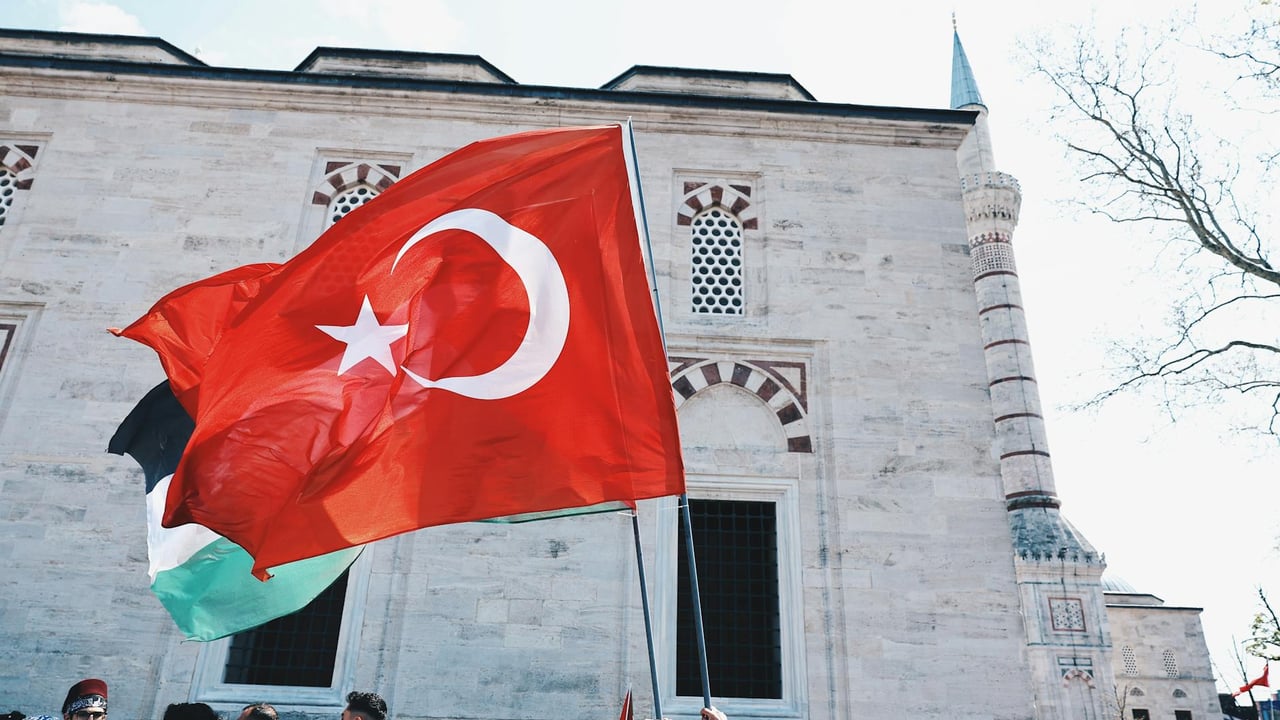
Mr. Netanyahu also denied reports that Turkey or Qatar would be permitted to participate in an international stabilization force for Gaza, a direct rebuff to proposals that have looked to regional intermediaries with ties to Palestinian factions. He framed Israel’s position in maximalist territorial terms, asserting that Israel opposes Palestinian statehood and will continue to maintain “security control” over the land between the Jordan River and the Mediterranean Sea, language that signals an enduring security and political ambition beyond the immediate conflict.
The statement came after U.S. envoy Whitkof announced a second phase of a “20-point plan,” which envisions a transitional Palestinian technocratic committee to administer Gaza, a process of disarming “unauthorized persons,” and the start of reconstruction. Washington’s blueprint presumes international partners and phased governance arrangements can be introduced quickly to enable rebuilding, but Israel’s demand for prior, verifiable demilitarization complicates that timetable and raises doubts about who would safely carry out reconstruction in the interim.
Operationally, demilitarization is a knotty proposition. Hamas retains embedded fighters, an array of rockets, and an extensive tunnel network; verifying the removal or destruction of such capabilities across dense urban terrain is time-consuming and contestable. For donors and aid agencies, assurances that reconstruction will not be diverted to rearmament are crucial, but insisting that all military threat vectors be neutralized before any rebuilding risks prolonging civilian suffering and undermining the very stability reconstruction is supposed to foster.
Netanyahu’s refusal to allow Turkish or Qatari participation also has diplomatic consequences. Qatar and Turkey have both acted as intermediaries with Hamas and have been channels for humanitarian and political engagement; excluding them narrows the pool of actors capable of negotiating local ceasefires, prisoner releases or the delivery of aid. It also shifts responsibility back to Western governments and regional states willing to operate under Israeli conditions — a politically fraught prospect given donor sensitivities and domestic politics in capitals such as Washington and Brussels.
Beyond Gaza, Mr. Netanyahu made a pointed reference to Iran, warning of a “severe” response should Tehran attack Israel. That warning underscores an immediate kinetic risk: if regional tensions escalate, any progress toward demilitarization and reconstruction could be derailed by external strikes or reciprocal escalations, amplifying the humanitarian and diplomatic costs of the conflict. The pronouncement also serves domestic political calculus by projecting strength to a coalition and electorate attuned to security-first rhetoric.
The practical upshot is an uncertain and likely protracted pathway to reconstruction. Donor confidence depends on credible verification and access; Israel’s red lines limit which actors can participate and when work can begin. Unless a realistic monitoring mechanism and a political settlement that addresses Israel’s security concerns are negotiated, reconstruction pledges may remain on paper while Gaza’s civilian infrastructure continues to deteriorate.
Internationally, the dispute over sequencing — security first versus rescue and rebuild first — will test U.S. influence and the coherence of the donor community. Washington’s plan presumes that technocratic governance and disarmament can be synchronized with reconstruction, but Israel’s insistence on prior demilitarization forces a choice: either accept Israeli conditions and delay rebuilding, or push ahead with alternative arrangements that risk Israeli pushback and potential operational setbacks on the ground.