
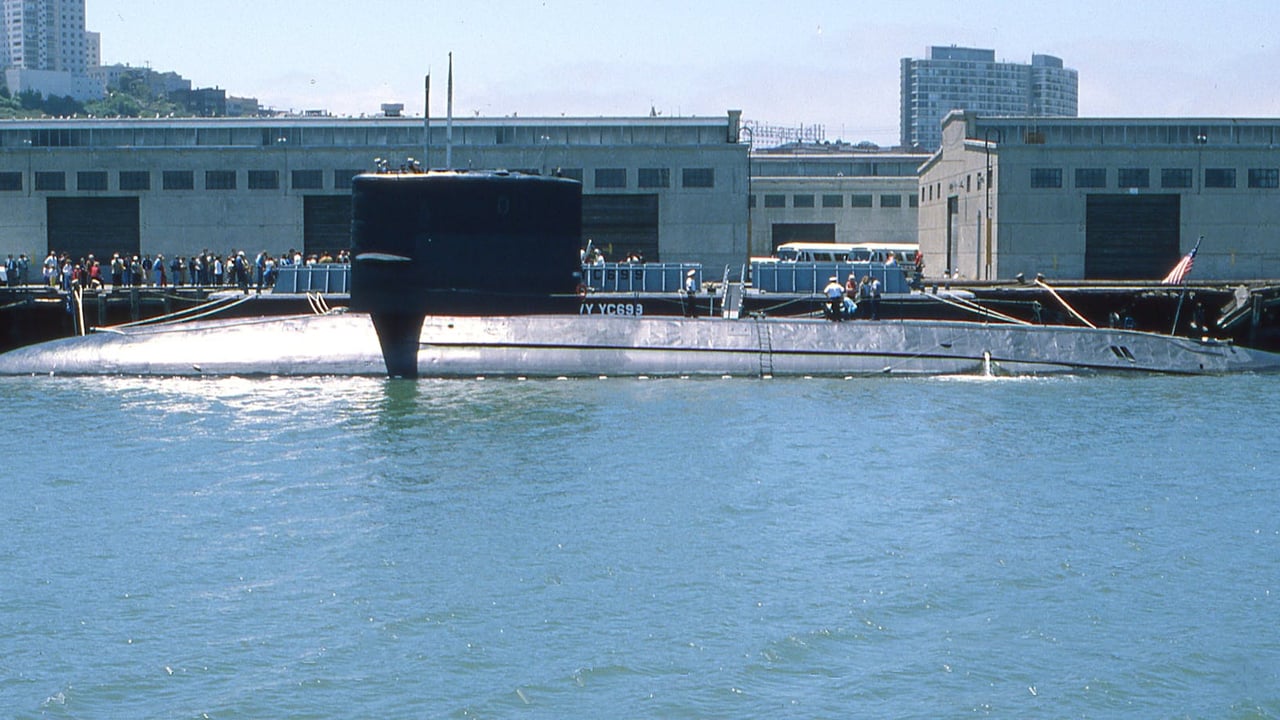

A patrol boat slips back into port and a veteran technician named Ma Xiaohui stands on the bridge watching the pale foam of the wake dissolve into the morning sun. For Ma and his peers at a Chinese submarine base, the sea is less a theatre of individual heroism than a crucible in which collective habits, procedures and quiet craftsmanship are being hammered out.
The older generation of technicians described in the base’s publicity have done more than maintain hulls: they ushered new domestic submarines into oceanic deployment, authored operation manuals and training curricula, and seeded successive cohorts of specialists. Their work has institutionalized knowledge that once resided in solitary ‘‘experts’’—a process the article frames as extending the navy’s ‘‘航迹’’ or navigational track into a stable, repeatable professional practice.
That consolidation matters because the navy is changing fast. Rapid personnel turnover and waves of new equipment create variability in what the report calls the crew’s ‘‘system steady state.’' A series of vignettes in the piece show how leaders are responding by shifting from ad‑hoc apprenticeship to standardized, replicable instruction and tighter daily discipline.
One such vignette describes a propulsion fault minutes before a weapons launch window. A senior non‑commissioned officer, Wang Xingjun, deliberately entrusted the fix to a junior, Lei Qijun, and gave him 20 minutes to resolve the problem. Lei’s success under pressure is presented not as luck but as the payoff from a deliberately paced career plan—rapid qualification, role rotation and regular competition—to accumulate both technical know‑how and confidence.
Training innovations are as granular as they are cultural. Instructors such as Wang Huan have converted classrooms into ‘‘checkpoint’’ challenges: assembling valve models, navigating piping mazes, and decoding wiring diagrams under time constraints. The result is a more active, problem‑solving cohort; the article notes specific success stories such as Zhang Yuyang, who later performed well on another crew.
Discipline and equipment management receive equal emphasis. The base’s ‘‘Boat Crew Work‑Life Management Regulations’’ reduces routine tasks to strict, measurable standards—where to hang a coat, how to place a mop, how to open and close a hatch—because a misplaced spare part once generated a loud noise that nearly escalated into a combat alert. That episode is used to justify the ‘‘zero mistakes’’ ethic: in submarines, minor lapses can have disproportionate tactical consequences.
The human cost of that professionalization is threaded through the narrative. A junior auxiliary technician, Liu Chang, is shown as transformed from a social, athletic recruit into a taciturn craftsman by long nights of pipe‑work, oil‑stained clothing and arduous fault hunts. Senior NCOs are portrayed doing the same heavy lifting—hours of constant monitoring, waist‑deep water repairs and prolonged under‑bell work—to model the standards they expect.
Taken together, these elements amount to a quiet, structural change: the base is converting platform acquisition into operational capability by making maintenance, procedures and personnel development a continuous, institutionalized activity. For readers outside China, the significance is simple: a navy that professionalizes the people who operate and sustain its submarines increases the survivability and predictability of those platforms at sea, and makes undersea operations harder for rivals to disrupt simply by tracking hardware.