
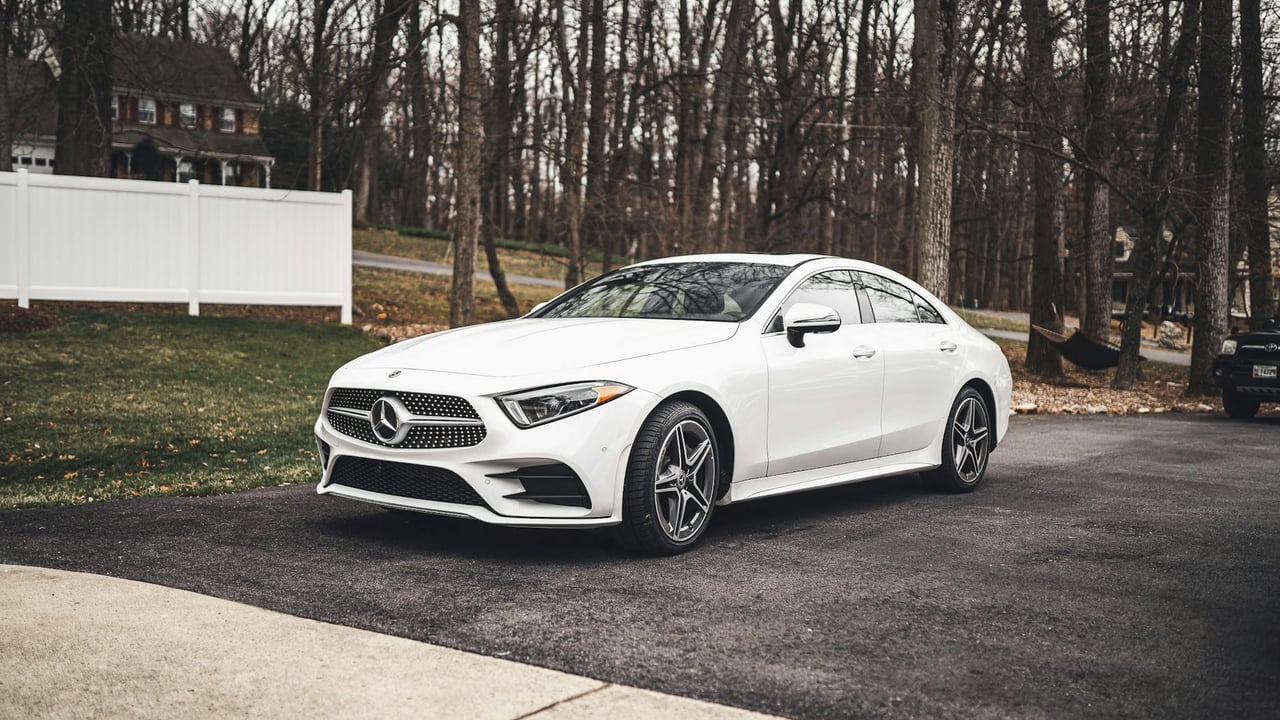

A locked glass door, a curling court notice on a parked car and a dust-layered, emptied Mercedes-Benz showroom: that is the tableau that greeted journalists who visited Baolide’s former flagship in Hangzhou late this month. Once a glittering private dealer in East China that represented high-end marques, the site now bears court seals and the silence of a company in insolvency.
Reporters who inspected Baolide’s Hangzhou headquarters found the group’s offices largely deserted. The company’s workspace in a downtown office tower occupies multiple floors, but two of them were essentially vacated. A small number of employees remained on one floor to hand over work to the bankruptcy administrator; a dedicated bankruptcy-claims office has been established on a higher floor and insolvency administrators are in situ.
The legal timetable is already clear. Baolide filed for bankruptcy in 2025. On 5 September 2025 the Hangzhou intermediate court accepted the petition and referred the case to the West Lake district court, which on 29 September 2025 appointed a law firm and an accounting firm as case managers. The appointed firms have not commented publicly on the progress of proceedings.
The scene at the showroom and the presence of court enforcement notices on vehicles underscore the immediate, tangible consequences of the collapse for customers, creditors and brand partners. The company was once an authorised Mercedes‑Benz flagship centre and handled other ultra‑luxury names; its visible decline will be of interest to automakers, financiers and consumers who rely on franchised dealers for sales, warranties and after‑sales service.
Baolide’s distress fits into a broader challenge for China’s automotive retail model. Dealers operate on thin margins while carrying large inventories financed by short‑term credit. A slowdown in sales, deterioration in used‑car resale values, or tighter credit can quickly make dealer balance sheets unsustainable. OEMs have also been reconfiguring distribution networks, heightening pressure on independent franchisees in some markets.
For foreign carmakers such as Mercedes‑Benz, the failure of a large dealer raises questions about channel stability in China, the world’s largest new‑car market. Customers whose purchases, deposits or warranty work were routed through Baolide will be closely watching how manufacturers and insolvency administrators handle claims, transfers of service obligations and the resale of inventory.
Beyond the immediate legal and commercial fallout, Baolide’s collapse is a reminder of the fragility of private middle‑market enterprises that tied rapid expansion to cheap or accessible financing. The outcome of the bankruptcy proceedings will determine how much creditors, staff and customers can recover and will offer a test case in how Chinese courts manage large retail insolvencies involving prominent foreign brands.
For now the company is hollowed out but formally in insolvency; its appointed managers have moved in, and the next chapters will be written in court documents and negotiating tables rather than showrooms.