
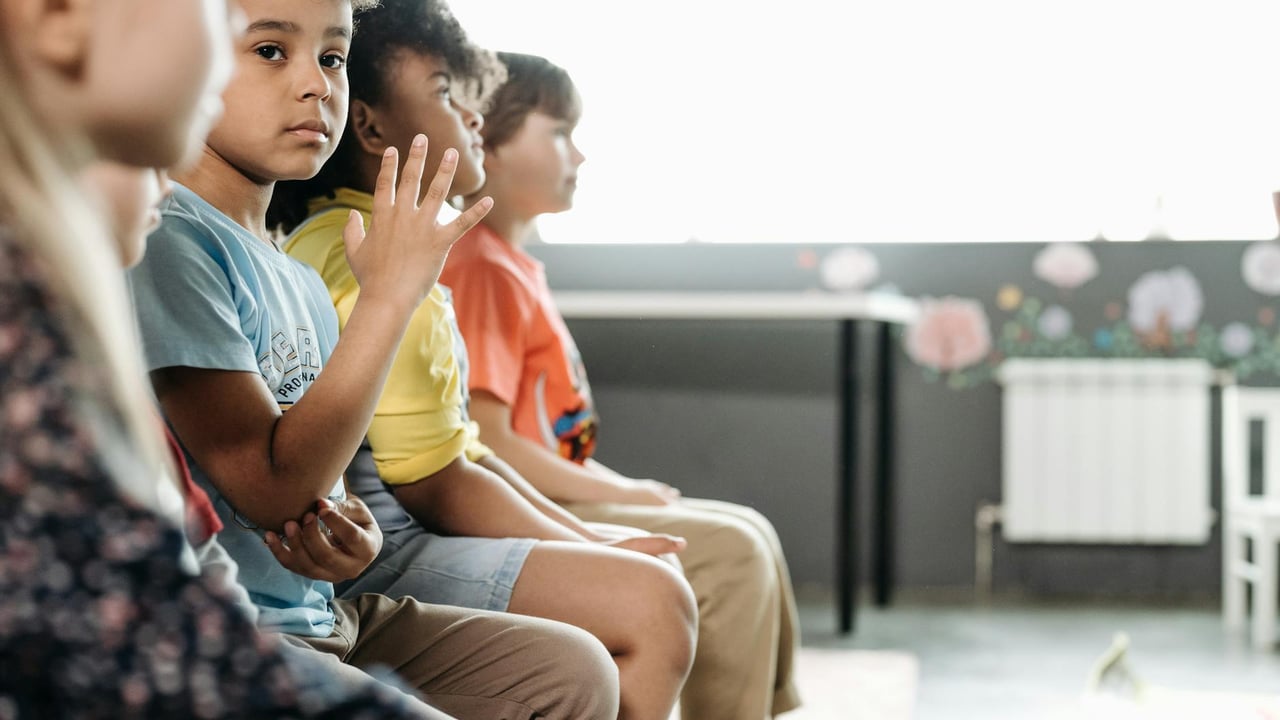

A short video from a Beijing kindergarten has drawn attention for a simple scene: a group of children parading in miniature police, firefighter and doctor uniforms while a lone child in a chef’s jacket walks on stage with calm confidence and is met by rapturous applause. The footage, circulated online by a local outlet, captured both the choreographed cuteness typical of preschool events and an unexpectedly resonant moment when the child portraying a cook received the loudest cheer.
The event is part costume show, part elementary career education exercise — a growing trend in urban preschools across China that blends role-play with social messaging about occupations. Organizers present an array of uniforms to familiarise children with public-service roles and everyday professions, using performance to teach respect for different lines of work and to expose pupils to career variety at an early age.
Public reaction has been largely positive. Many commenters lauded the message that every job is worthy of respect, arguing that applause for the young chef symbolises a broader shift away from placing certain white‑collar careers on a pedestal while undervaluing service professions. Others praised the child’s poise and the school’s effort to celebrate vocational diversity rather than only glamourising high-status roles.
At the same time, the episode invites questions about the purposes and limits of such theatrical pedagogy. Critics of staged career shows worry they can simplify complex labour realities into costume-driven pageantry, reinforce gendered occupational stereotypes, or be used to promote particular social narratives. There is also a commercial angle to consider: social-media friendly moments can boost a kindergarten’s profile, with schools sometimes tailoring activities to generate shareable content.
This small, widely-shared clip therefore matters beyond its immediate charm. It reflects an increased public and institutional emphasis in China on respecting manual and service labour, dovetailing with national education campaigns and broader debates about vocational training and social status. How preschools balance celebration, realism and the welfare of children in these events will shape how the next generation understands work and social worth.
For international observers, the scene offers a granular glimpse of cultural messaging in contemporary China: a society wrestling with how to honour a wide range of occupations, manage social prestige, and socialise children into civic and economic life. The image of a tiny chef taking a confident bow is both an emblem of popular solidarity with everyday workers and a prompt to scrutinise how such solidarity is cultivated and displayed.