
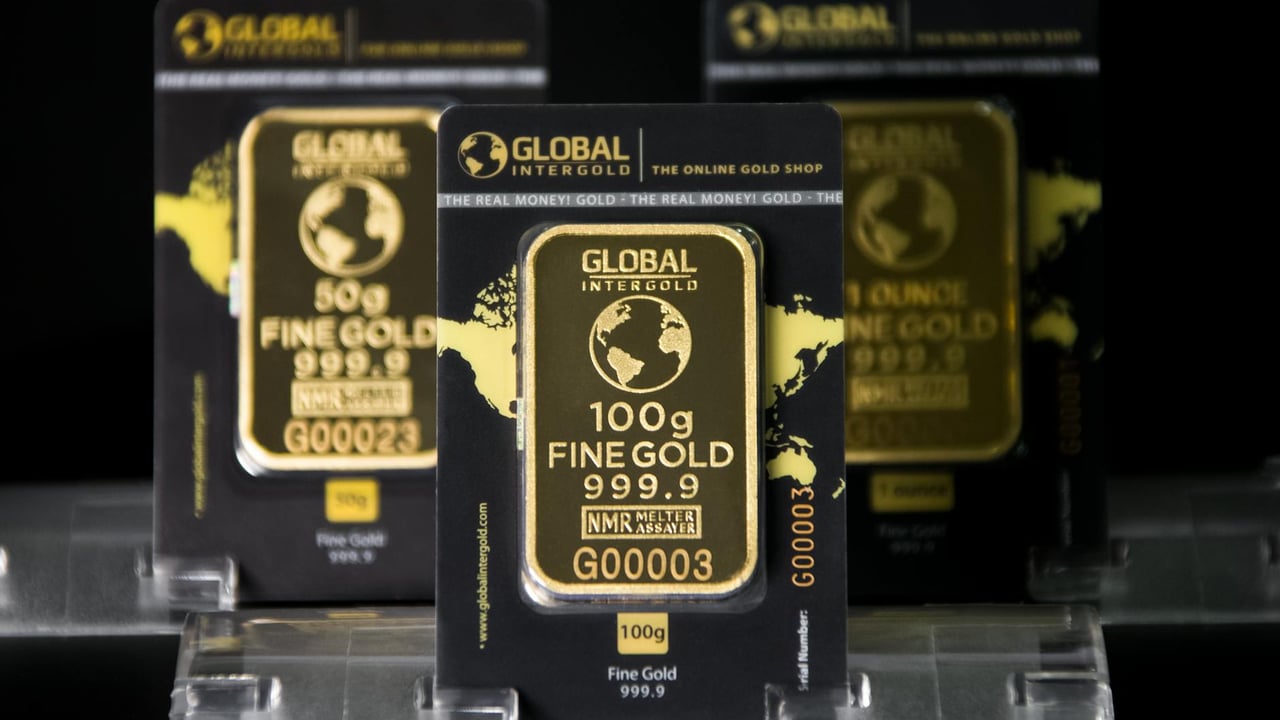

Global precious metals have erupted into a broad rally this week, with London spot gold touching $5,598.75 per ounce and COMEX futures peaking at $5,626.80 on January 29 — roughly $600 higher than the levels seen three trading days earlier and approaching a near-30% gain for 2026 to date. The move has rippled through other commodity markets: Shanghai main contracts for copper, silver and aluminium have all hit record highs, with copper at 109,570 yuan/ton, silver at 30,444 yuan/kg and aluminium near 25,840 yuan/ton, while the Shanghai gold contract climbed as much as 8% intraday to 1,252.98 yuan/gram.
Traders and analysts point to a confluence of drivers behind the surge. Geopolitical uncertainty has ratcheted up risk-aversion, while weaker-than-expected US economic data and persistent commentary about future Federal Reserve easing have lowered real and nominal yields, increasing the appeal of non-interest-bearing stores of value. Structural demand shifts are amplifying the move: record central-bank net gold purchases in 2025 and six consecutive months of ETF inflows have pushed official and passive holdings to historical highs, while headlines about monetary and fiscal stress in the United States — including political pressure on central-bank independence — have fed a narrative of eroding dollar reliability.
Supply-side factors are reinforcing price momentum. Analysts highlight acute scarcity in the silver market and localized production constraints for other precious metals — from power problems in South African platinum mines to capacity limits at major copper producers — that have tightened availability. Short-term trading dynamics have also contributed: strong flows and stretched positioning have produced squeeze-like patterns that accelerated price moves, prompting technical buying and further limiting immediate liquidity.
The rally has broader economic and market implications. Investors are increasingly treating gold and other precious metals as portfolio hedges against both inflation and geo-financial risk, a trend reflected in the World Bank’s precious metals price index rising from 202.62 in January 2025 to 336.14 in December, a 66% jump. For industrial metals such as silver and copper, the combination of demand from green-energy and industrial electronics sectors and constrained supply raises questions about substitution, consumption suppression at very high prices, and the pace at which higher costs feed into consumer inflation.
Not all metals are moving uniformly. Silver has outperformed, driven by both speculative flows and industrial demand, while the platinum-palladium complex shows divergence: platinum benefits from hydrogen-sector optimism and supply bottlenecks, whereas palladium faces weakening automotive demand as catalyst technologies evolve. Market participants caution that heightened volatility is likely to persist, with silver and the platinum group metals especially prone to rapid swings.
Looking ahead, analysts emphasize two key risks that could unwind the rally: a rapid normalization of US macro data and a corresponding shift in Fed expectations, or a de-escalation of geopolitical tensions that would reduce safe-haven demand. Conversely, sustained fiscal deficits, further central-bank buying, or an intensification of de‑risking from dollar assets would extend this metals upswing and could prompt deeper strategic reallocations by sovereign and institutional investors.
For China and other commodity importers, the surge raises practical policy and business questions. Higher metal prices boost mining-sector revenues and can support investment in supply expansion, but they also increase input costs for manufacturers and may force substitution or inventory adjustments. Regulators and exchanges will be watching for excessive speculative stress; several analysts warned that exchange risk-control measures and margin calls could intermittently amplify volatility as markets adjust to new price regimes.
Investors should therefore treat the current rally as both a signal and a stress test: it reflects real shifts in geopolitical risk perceptions and reserve behaviour, but it is also vulnerable to quick reversals if macro expectations or headline risks change. Prudence, active risk management, and close attention to Fed communication, ETF flows and central-bank purchases will be decisive for portfolios exposed to the metals complex.