
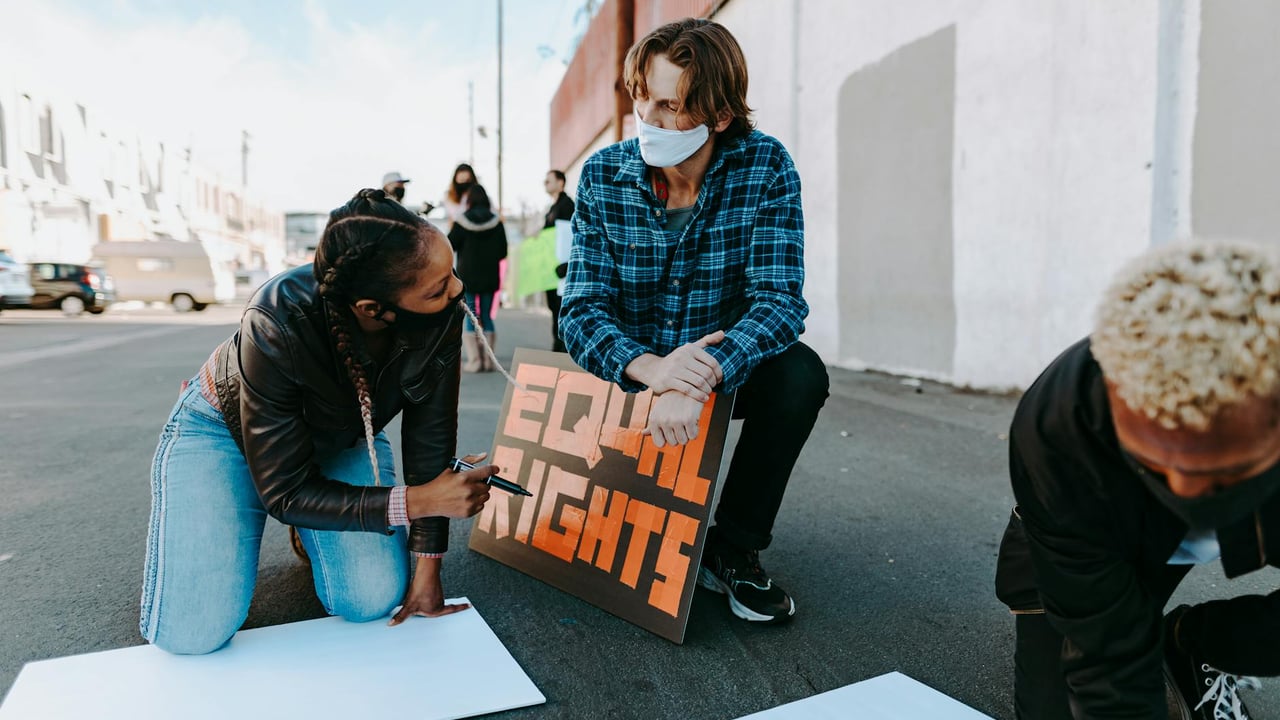

President Donald Trump shifted rapidly from a conciliatory tone to renewed confrontation on Jan. 28, accusing Minneapolis Mayor Jacob Frey of “playing with fire” after Frey reiterated that local police would not enforce federal immigration law. The remarks came amid heightened tensions following a series of federal immigration enforcement actions that have resulted in the deaths of two U.S. citizens and sparked mass protests across multiple cities.
In private and public exchanges earlier in the week, Trump and other senior officials had signalled a moderation of tactics. The administration replaced a controversial Border Patrol commander, Gregory Bovino, with Tom Homan and framed the personnel move as a step toward more conventional, targeted operations rather than broad “street sweeps.” A senior official described the change as an attempt to reduce the political heat surrounding the enforcement campaign.
That tack proved short-lived. Attorney General Pam Bondi announced on social media that federal agents had arrested 16 individuals in Minnesota on Jan. 28 and warned that “nothing will stop us from continuing to make arrests and enforce the law.” Trump himself threatened to cut federal funding to states that host so-called sanctuary cities, a punitive step that would escalate an already fraught federal-local standoff.
Mayor Frey pushed back on the president’s characterization, saying local police are responsible for public safety, not the enforcement of federal immigration laws. His response underscored a broader legal and political division: cities and states that limit local assistance to immigration enforcement contend they do so to preserve police-community trust and focus scarce resources on public-safety priorities.
The enforcement actions and the administration’s mixed signals have done little to calm Minneapolis, where activists and community leaders say federal operations have been both persistent and, at times, heavy-handed. Reuters reported that an internal memo appears to be nudging immigration officers toward more limited engagement with protesters, suggesting a tactical recalibration even as public rhetoric hardened.
The episode exposes the tightrope the White House is walking between projecting law-and-order resolve and containing political fallout from high-profile use of force. The killings of U.S. citizens by federal agents have inflamed public opinion and sharpened partisan attacks, creating incentives for the administration to both appear responsive and maintain a muscular stance that satisfies its core supporters.
Beyond domestic politics, the dispute matters to broader questions about federalism and civil liberties. Litigation over the reach of federal law enforcement in municipal spaces, and battles over funding for local governments, could produce long-running court fights and set precedents for future federal interventions in cities that resist participation in immigration enforcement.
For international observers, the episode is a reminder that the United States continues to wrestle with internal divisions that affect governance and the rule of law. How the administration frames and justifies its use of federal personnel in domestic policing will influence both domestic cohesion and how foreign publics and governments assess Washington’s commitments to civil-rights norms.
At the local level, Minneapolis faces the immediate task of balancing community trust with public-safety responsibilities amid continuing protests. At the national level, the administration’s oscillation between conciliation and confrontation is likely to endure as officials try to manage optics, legal constraints, and political constituencies in an increasingly polarized environment.