
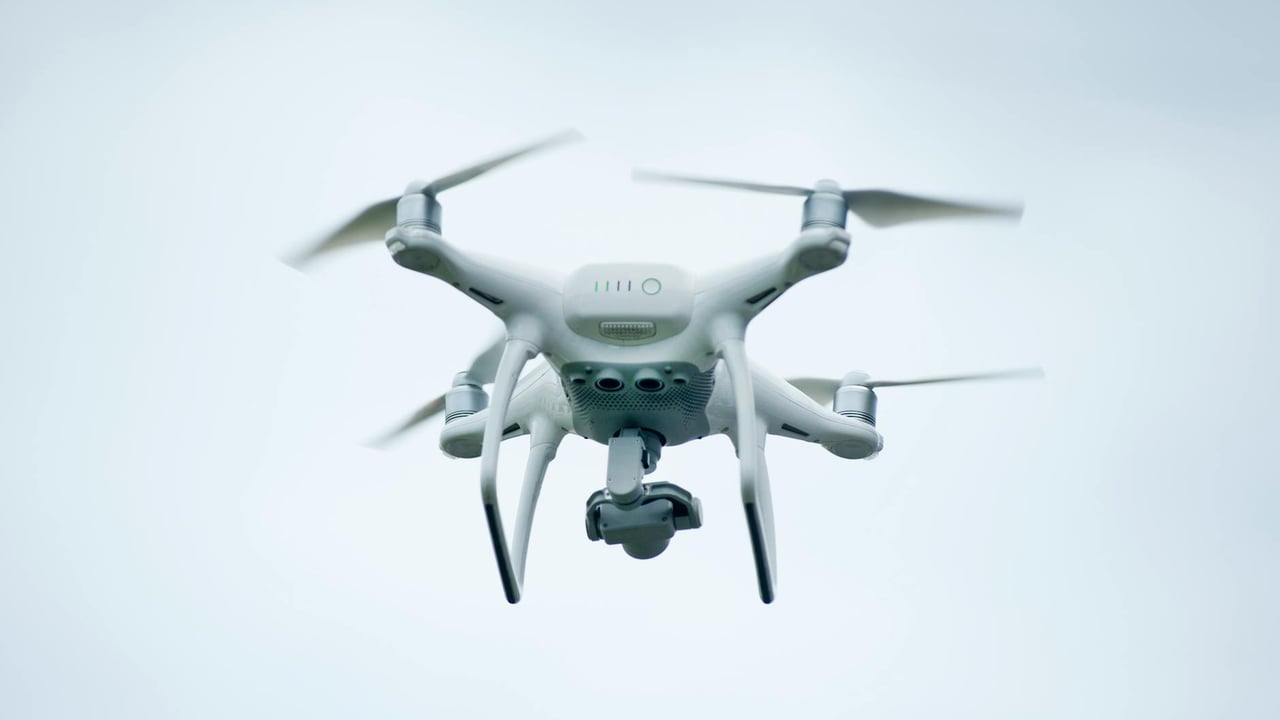

A Taiwanese military drone crashed within five seconds of launch on Jan. 29, 2026, footage of the mishap quickly circulating on social media and being amplified by mainland Chinese outlets. The incident, trivial on its face, has been seized as political theatre, fuelling headlines that portray Taiwan’s forces as ineffectual while prompting unease among local observers about equipment and training standards.
The immediate fallout is as much about narrative as hardware. Critics and opponents of the government used the episode to question procurement practices and maintenance regimes, while Taipei faces the twin tasks of investigating the technical cause and containing reputational damage. In an information environment where both sides of the Taiwan Strait seek symbolic wins, even small operational slips are turned into strategic messaging.
Technically, a drone that falls within seconds of launch points to a limited set of failures: propulsion ignition, power supply or battery faults, a critical control link loss, or mishandling during launch. Rapid deployment pressures, hurried field fixes and a heterogeneous fleet of domestically produced and imported systems increase the risk of such shortfalls. Small tactical unmanned aerial vehicles are easier to produce quickly than to integrate reliably into sustained operations.
The broader significance is operational rather than anecdotal. Taiwan’s defence strategy increasingly leans on distributed, low-cost, unmanned systems to complicate any potential adversary’s plans; their credibility depends on reliability. Persistent technical failures would erode deterrence, reduce combat effectiveness and sap confidence among reservists and civil defence volunteers who are expected to operate or support these systems in a crisis.
Politically, the episode amplifies domestic scrutiny of military modernisation programmes. Lawmakers and pundits will press for transparent investigations, stricter quality control and clearer procurement oversight. At the same time, Beijing’s media orgs will continue to exploit such incidents for psychological effect, undermining Taipei’s efforts to reassure both its own public and foreign partners of its defensive competence.
The immediate corrective steps are straightforward: a prompt technical inquiry, public acknowledgement of findings where feasible, and accelerated training and maintenance cycles to reduce repeat incidents. But the longer lesson is institutional: rapid growth in drone capabilities must be matched by investment in testing, logistics and command-and-control integration if unmanned systems are to perform as the pillars of asymmetric defence that Taiwan intends them to be.