
Daily Brief News
Latest daily brief news and updates

Research Reveals Denisovan Survival Patterns in Southern China Cave Site
Archaeological findings from Yunnan offer new insights into Denisovan adaptation and persistence along the plateau edge.
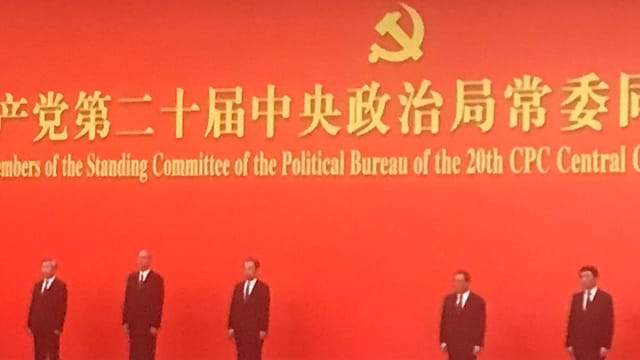
China Holds National Day Reception Marking 77th Founding Anniversary
President Xi Jinping addressed roughly 800 guests at the Great Hall of the People as top leadership gathered ahead of the national holiday.

China Foresees Record El Niño as Officials Warn of Winter Cold Waves
Meteorologists project Pacific sea temperatures to peak above 3.2°C, bringing winter heating risks and summer weather extremes.
Beijing Hosts Academic Symposium on Sun Yat-sen and the Chinese Diaspora
Organized by the Revolutionary Committee of the Chinese Kuomintang, the seminar marked the 160th anniversary of Sun Yat-sen's birth.
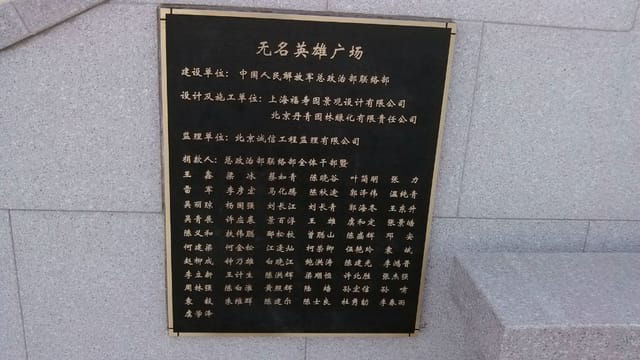
Xi Jinping and Top Leadership Mark Martyrs' Day in Tiananmen Square
China's top leaders pay tribute at the Monument to the People's Heroes ahead of National Day celebrations.

China Marks 13th Martyrs' Day Ahead of Long March 90th Anniversary
State media emphasize ideological continuity and historical sacrifice as the country prepares for national commemorations.

Chinese State Media Revisit Long March History to Urge Ideological Resolve
Official accounts spotlight the 1934 Battle of Xiangjiang and Xi Jinping's remarks to rally fortitude amid modern challenges.
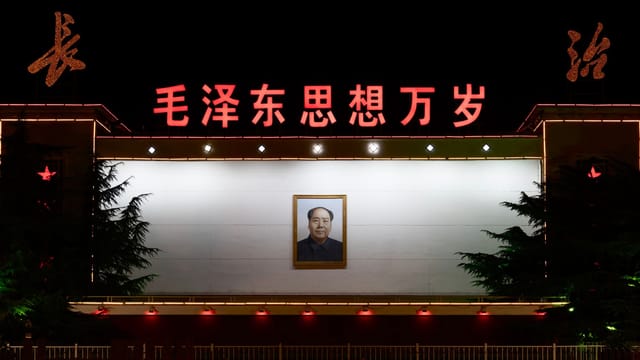
Xi Jinping and Top Leaders to Mark Martyrs' Day in Tiananmen Square
China prepares to honor fallen heroes ahead of National Day, highlighting key Party and military anniversaries.

Hebei Hosts Fourth Great Wall Rendezvous to Promote Cultural Heritage
The event in Qian'an brings together scholars and cultural tourism officials to discuss preservation, route development, and international engagement.

China Tops WorldSkills Medal Tally in Shanghai With 41 Gold Medals
The Chinese delegation sets a new national record, leading the global medal table for the fifth time.

China Records Over 650 Million Mid-Autumn Holiday Passenger Trips
Short-distance travel and peri-urban road trips drove holiday mobility as railway return traffic hit 16.86 million.
Chinese State Media Highlight Wartime Ties in China-US Memory Feature
A multimedia report by China Daily and China News Service invokes historical mementos to spotlight civilian goodwill between the two nations.