Russia Delivers Attack Helicopters to Iran — Not Yet Combat-Ready, Sources Say

Russian media report that Iran has received Russian-made attack helicopters but has not yet put them into operational service. While the delivery signals closer Russia–Iran military ties, operational challenges and sanctions mean the immediate threat is limited, though the transfer could have significant medium-term implications for regional balance and sanctions enforcement.

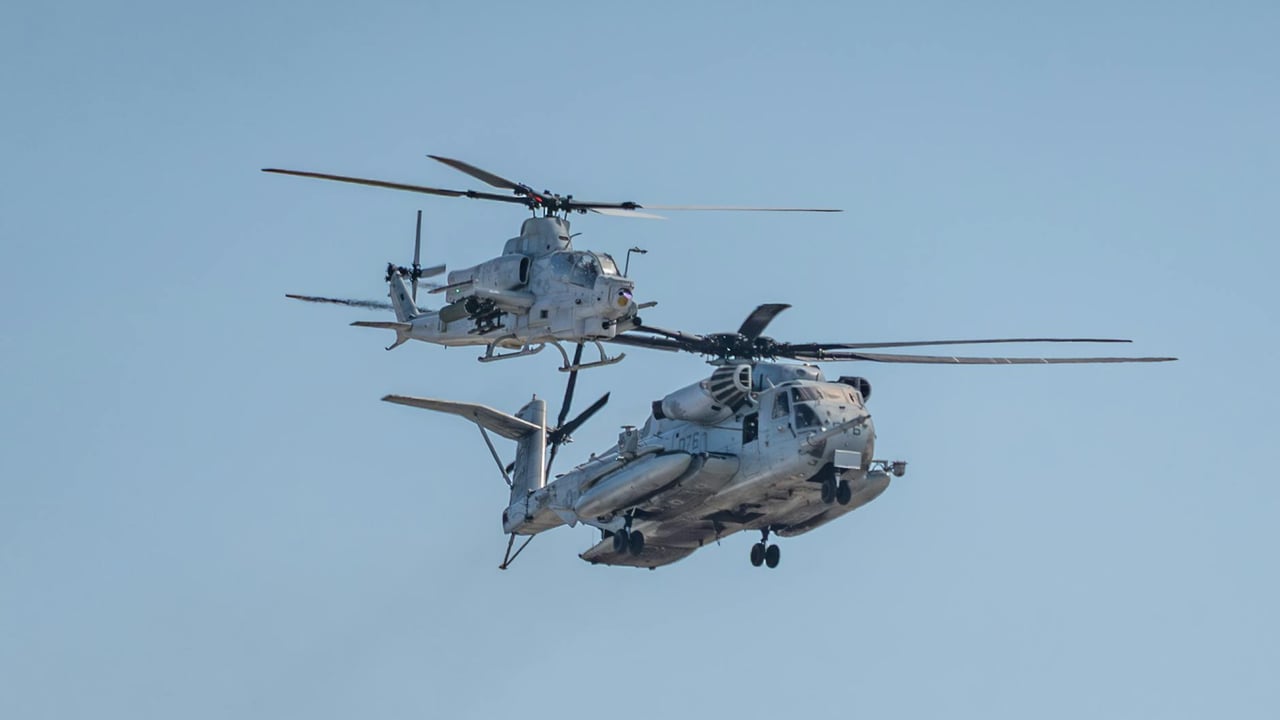
Two military helicopters perform during an airshow showcasing aviation prowess.

Key Takeaways

  • 1Russian media say Iran received Russian-made armed helicopters but they are not yet operational.
  • 2Delivery details — model, quantity and timeline — remain undisclosed and Tehran has not announced deployment.
  • 3Operationalization faces hurdles: pilot training, maintenance, spare parts and sanctions-related constraints.
  • 4The transfer signals deeper Russia–Iran military ties and could shift regional calculations if the helicopters become combat-capable.
  • 5Immediate military impact is limited, but establishing sustainment and training pipelines would harden long-term capability and complicate sanctions enforcement.

Editor's
Desk

Strategic Analysis

This delivery is important less for its immediate battlefield consequences than for what it reveals about Russia’s willingness to expand arms sales amid Western isolation and Iran’s determination to modernize its forces despite sanctions. For Moscow, such transactions provide hard currency and diplomatic leverage; for Tehran, even dormant platforms are strategic assets that can be activated once logistics, training and spare-part flows are secured. Western and regional actors face a dilemma: pressuring Russia risks further geopolitical fallout, while inaction risks normalized transfer channels that incrementally strengthen Tehran’s conventional capabilities. The key indicators to watch over the coming months are the appearance of Russian technical personnel in Iran, evidence of pilot training flights, and paperwork or shipping trails showing follow-on deliveries of parts — any of which would mark a transition from symbolic transfer to enduring operational capacity.

China Daily Brief Editorial
Strategic Insight
China Daily Brief

Russian media reported that Iran has taken delivery of Russian-made armed helicopters, but the aircraft have not yet been integrated into Iranian service. Moscow has not publicly detailed the model, numbers or the timing of the transfer, and Tehran has made no announcement about their deployment or operational use.

The shipment marks another tangible sign of deepening military commerce between Moscow and Tehran that has accelerated since Russia’s full-scale invasion of Ukraine. For Iran, acquiring modern rotary-wing strike platforms would fill a long-standing capability gap; for Russia, arms sales offer revenue and political leverage at a time when Western markets and cooperation remain constrained.

Nevertheless, the fact that the helicopters remain inactive highlights immediate practical hurdles. Operating advanced rotorcraft requires pilot training, sustainment networks for spare parts and avionics support, and secure logistics — all of which are complicated by international sanctions, limited bilateral transparency and the political sensitivities surrounding visible Russian support for Iranian forces.

The transfer nevertheless changes the strategic calculus in the region even if its near-term military impact is limited. Allies and rivals in the Gulf, as well as Israel and the United States, are likely to watch closely for signs of training flights, base preparations or the arrival of Russian technical teams, any of which would indicate a move from transfer to operational capability.

In the medium term, the delivery underscores the erosion of conventional arms restrictions that once constrained Iranian access to advanced air platforms. Even if the helicopters currently sit idle, establishing a supply and maintenance pipeline — or training cadres of Iranian pilots and technicians — would make the capability harder to reverse and increase Tehran’s options for coercion, deterrence and power projection in the Persian Gulf and beyond.

For policymakers, the immediate question is whether the transfer represents a transactional sale or the opening of a deeper security partnership. The difference matters for regional deterrence dynamics, sanctions enforcement and the prospect of further Russian transfers of sensitive systems to partners willing to bypass Western controls.

Share Article

Related Articles

📰
No related articles found