Pentagon Tells Trump It Is Ready to Carry Out Any Iran Order as Tensions Climb

The Pentagon told President Trump it is prepared to implement any decision on Iran as U.S. forces concentrate in the Middle East. Trump is reportedly considering a range of military options while Iran warns it is ready to respond, leaving the region at heightened risk of escalation.

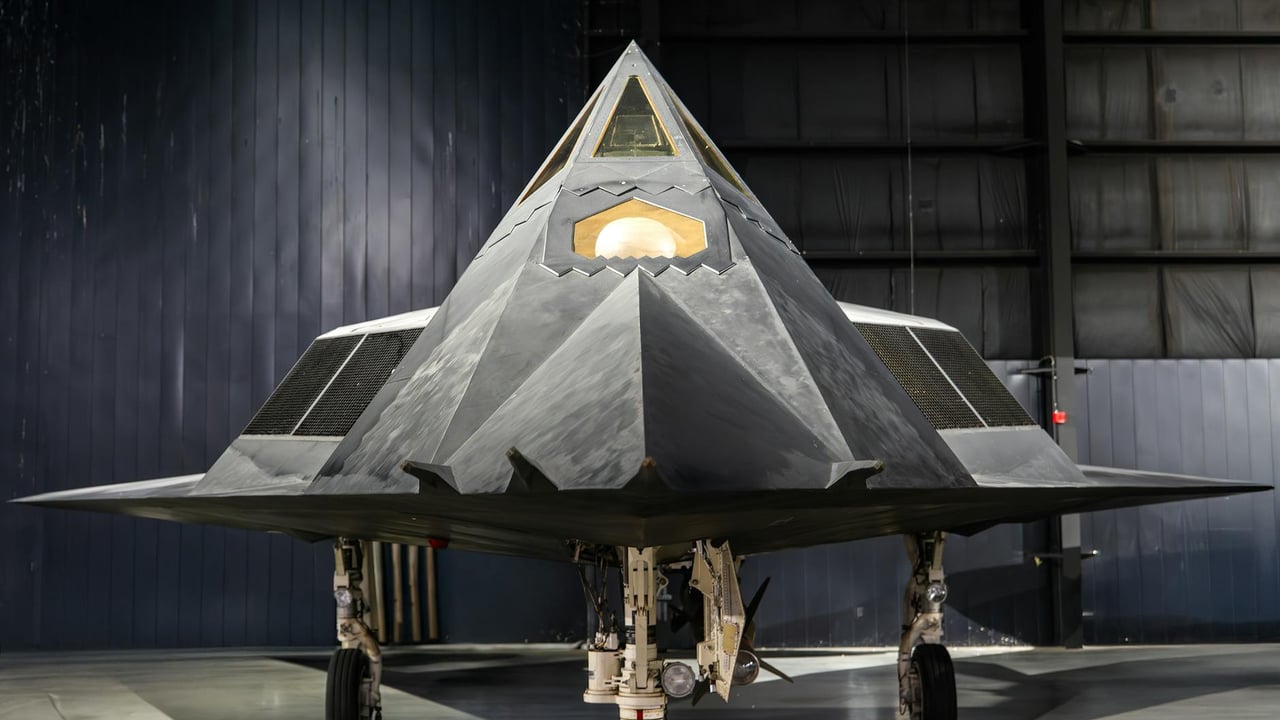
Front view of the iconic F-117 Nighthawk Stealth Fighter at a Dayton museum.

Key Takeaways

  • 1Defense Secretary Pete Hegseth told President Trump the Pentagon is ready to execute any presidential decision on Iran.
  • 2Trump is reviewing military options, including possible strikes on Iranian leaders and nuclear facilities, but has not decided.
  • 3The U.S. carrier Abraham Lincoln strike group deployment has expanded Washington's tactical options in the region.
  • 4Iran warned its forces are ready to respond and said it will only negotiate if the U.S. stops provocative actions.

Editor's
Desk

Strategic Analysis

The Pentagon’s public assurance of readiness does more than convey military capability; it signals a willingness by senior civilian and military leaders to align behind aggressive options if the president so chooses. That alignment reduces institutional friction for kinetic action but raises political and strategic risks: a limited strike can prompt asymmetric reprisals by Iran or its proxies, entangling the United States in a wider regional conflict that would be costly and politically divisive. The administration’s next moves will be shaped by an uneasy calculus—between demonstrating deterrence, avoiding full-scale war, and managing domestic and allied reactions. Monitoring force dispositions, legal authorizations, and Tehran’s decision-making thresholds will be crucial in the coming days to determine whether this standoff de-escalates or slides toward violence.

China Daily Brief Editorial
Strategic Insight
China Daily Brief

The Pentagon has told President Donald Trump it is prepared to carry out any decision he makes on Iran, U.S. officials told Reuters, underscoring how close Washington stands to a potential military confrontation. The comment, attributed to Defense Secretary Pete Hegseth during a cabinet meeting, came as a substantial U.S. force posture has amassed in the Middle East.

At the meeting, Trump asked Hegseth for an assessment of the situation and was told that the Pentagon is ready to meet presidential expectations while warning that Iran should not seek nuclear weapons. Administration officials say Mr. Trump is reviewing a range of military options but has not yet decided whether to strike, and U.S. media reported that targets under consideration include Iranian leaders, security officials and nuclear sites.

The expansion of U.S. military options followed the deployment of the carrier Abraham Lincoln strike group to the region, a move that the White House believes increases its tactical flexibility. Officials framed the posture as deterrence, but the presence of more assets also narrows the range of plausible steps short of kinetic action, increasing the risk of miscalculation.

Tehran responded sharply. Iran’s foreign ministry warned that its armed forces were “ready to pull the trigger” in response to any aggression, and the presidential office said that Tehran would only talk seriously if Washington halted provocative actions. The exchange of threats raises the prospect of escalation through direct strikes or proxy attacks across the wider Middle East.

For international audiences the immediate significance is twofold: the window for both rapid escalation and rapid diplomacy has opened, and U.S. public declarations of readiness shift the burden of restraint onto political decision-making in Washington. Allies and regional partners will now be forced to weigh contingency planning, while markets and shipping lanes remain sensitive to any uptick in hostilities.

Share Article

Related Articles

📰
No related articles found