
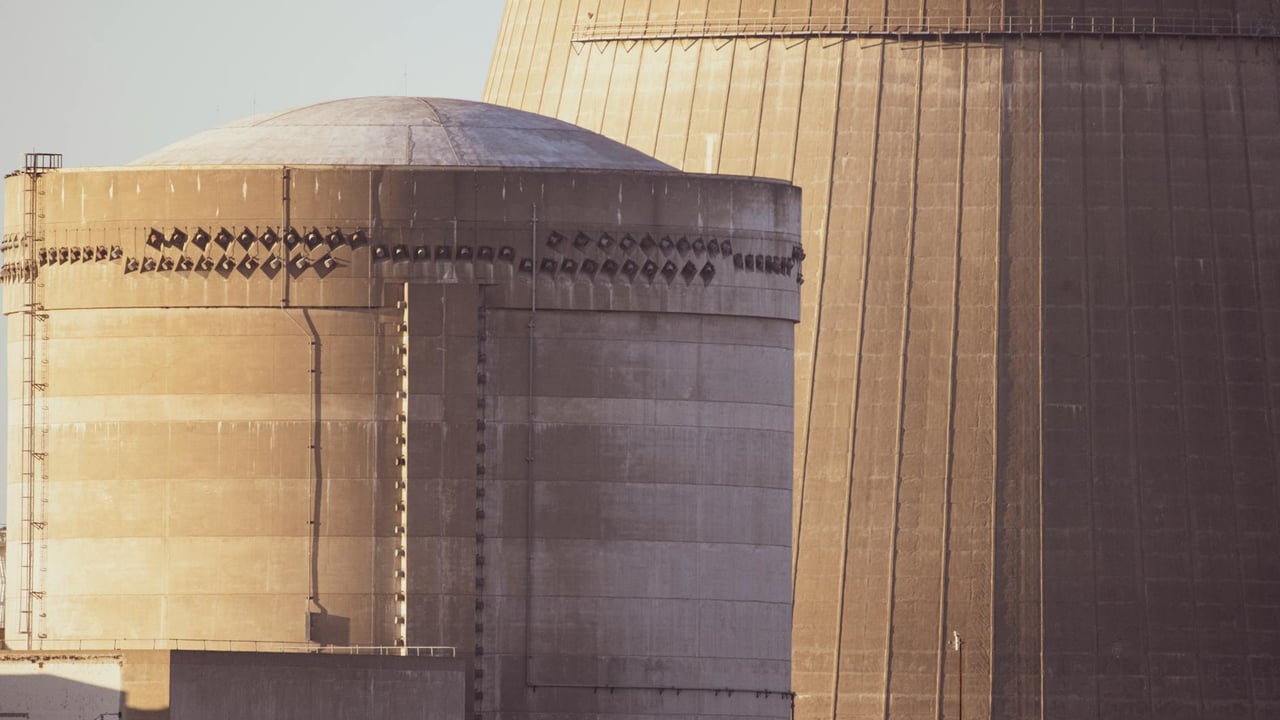

An explosion rocked an Iranian nuclear facility at dawn on January 27, reviving international concern about sabotage, secrecy and the volatile calculus of military deterrence in the Middle East. Greek outlet Pentapostagma published initial claims and social media footage circulated by eyewitnesses, but Tehran has remained publicly circumspect, neither confirming the location nor offering a detailed account.
Analysts and open-source sleuths have pointed to Natanz or sites near Isfahan as the most likely locations, both of which host centrifuge and uranium-conversion activities and are central to Iran’s nuclear programme. The ambiguity surrounding the blast feeds a familiar pattern: damage at critical nuclear infrastructure followed by competing claims, denials and the strategic utility of uncertainty for multiple state and non-state actors.
The explosion comes against the backdrop of a stepped-up U.S. military presence in the region. The Abraham Lincoln carrier strike group reportedly arrived in Middle Eastern waters on January 28 and long-endurance surveillance platforms — including MQ-4C reconnaissance drones and P-8A patrol aircraft — have been active near Iranian airspace. U.S. Central Command has also signalled plans for extended air exercises intended to sharpen rapid-response capabilities.
Some foreign outlets have attributed the blast to a U.S. missile strike, a claim that has not been independently verified and which Tehran has not publicly substantiated. Attribution in such incidents is notoriously difficult: physical evidence is tightly controlled, and both covert action and irregular warfare leave intentionally ambiguous signatures to avoid immediate escalation.
Iranian officials have been warning publicly about threats to nuclear sites for days. Vice-President and Atomic Energy Organization chief Mohammad Eslami said Tehran had formally asked the International Atomic Energy Agency to state its position on infringements and that IAEA inspectors were no longer present in Iran. Iran’s nuclear-security bodies said they had pre-emptively evacuated key personnel and moved sensitive material, underscoring Tehran’s expectation of targeted operations.
The incident has already fed a sequence of reprisals and counter-reprisals. Iranian forces launched missiles at a U.S. base in Qatar, causing no reported major casualties, while bases used by U.S. forces in Iraq and Syria have been struck repeatedly in the days following. The conflict appears to be widening in scope, with risk of escalation by miscalculation as well as by design.
Beyond the immediate tactical concerns, the episode has strategic implications. Iran’s reduction in transparency with the IAEA complicates verification efforts that underpin non-proliferation diplomacy, while heightened military posturing compresses decision time and increases the chances that local incidents spiral into broader confrontations. Energy markets and regional partners, from Gulf monarchies to Israel, are all watching for signs of whether this will provoke a period of extended instability or be contained.
The available evidence does not yet allow definitive attribution of the blast, nor does it reveal the full sequence of cause and effect between the explosion and subsequent strikes. What is clear is that the incident reinforces a dangerous dynamic: covert or deniable actions aimed at Iran’s nuclear infrastructure have become part of an escalatory toolkit, and the absence of robust communication channels between Tehran and Washington — or credible, independent inspection on the ground — makes de-escalation harder and more hazardous.