
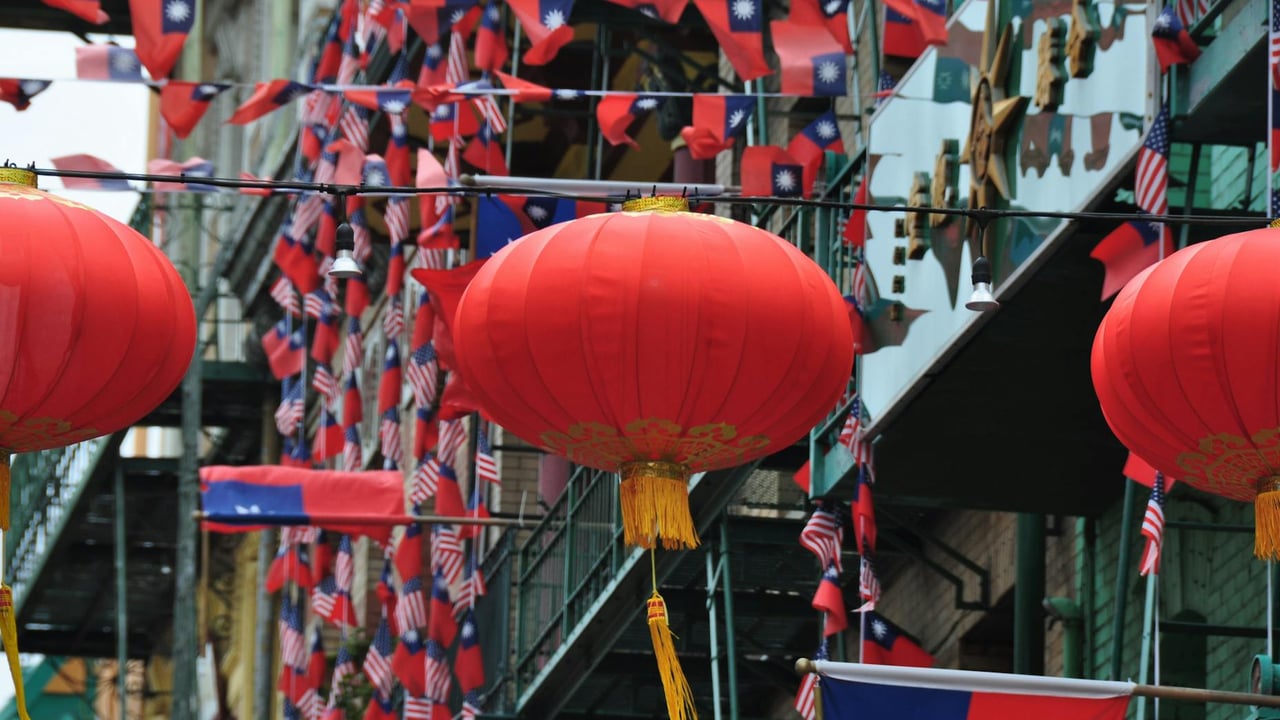

Japan’s prime minister, campaigning ahead of a lower‑house election, stoked controversy when she said Tokyo and Washington would jointly evacuate citizens if a crisis erupted over Taiwan. The remark set off sharp criticism from Beijing, which accused Japan’s right wing of whipping up confrontation and pushing a return to military normalcy that would threaten the political foundations of China–Japan ties.
Chinese foreign ministry spokespeople framed the comments as part of a deliberate effort to provoke and justify remilitarisation, and demanded that the statements be withdrawn. State media commentary warned that continued deterioration of bilateral relations serves no one and called for measures to break the current impasse, placing the episode squarely in the context of both domestic Japanese politics and wider regional rivalry.
The row comes as Washington seeks to recalibrate its posture in the Indo‑Pacific. The deputy U.S. undersecretary for policy, on a tour of the region, described plans to strengthen deployments along the first island chain while simultaneously aiming to cultivate a “stable, peaceful” relationship with Beijing. The latest U.S. defence strategy released this month conspicuously omitted any explicit reference to Taiwan, a detail many Asian commentators seized on as evidence of Washington’s hedging.
Observers also point to an emerging pattern in U.S. use of force under the current administration: select, low‑risk, short‑duration strikes when political and material costs are judged acceptable, but greater caution where strikes would entail prolonged engagement or heavy casualties. Japanese commentators have read that calculus as an incentive for Tokyo to reduce its own exposure to risk in future contingencies.
One practical manifestation of that logic is Japan’s accelerating turn to unmanned and lower‑risk systems. In a January airborne exercise the Self‑Defense Forces publicly displayed U.S.‑made quadruped robots — so‑called “machine dogs” — bought as part of a broader move to replace some crewed platforms with autonomous or remotely operated gear. Japanese media reported unit prices in the region of $200,000–$300,000 depending on configuration, underscoring Tokyo’s push to modernise while minimising personnel loss in any future operations.
Taken together, the rhetoric from Tokyo, Washington’s calibrated posture, and Japan’s acquisition of unmanned systems complicate crisis dynamics around Taiwan. For Beijing, the combination looks like an attempt to draw the United States into a regional contingency while giving Japan plausible ways to reduce its own political costs of involvement. For Washington and Tokyo, the calculus is about deterrence and flexibility — but greater reliance on unmanned systems and vague public commitments risk producing misperception and inadvertent escalation.
If the goal is to preserve regional stability, the immediate task for all parties is to rebuild diplomatic channels and clarify red lines. Tokyo’s election‑season statements and rapid technological shifts in Japan’s defence posture will attract scrutiny in Beijing and Washington alike; absent clearer communication and restraint, incremental changes in capability and rhetoric could harden reactions and reduce the space for peaceful management of cross‑strait tensions.