

China’s A‑share market closed out January with a modest but notable advance: the Shanghai Composite rose 3.76% for the month and finished above the 4,100 mark after a mid‑month surge and a period of narrow trading. The market’s temperament in January was best described as “run higher, then oscillate” — a fresh multi‑year high in mid‑January gave way to a slight retreat before settling back above a key psychological level.
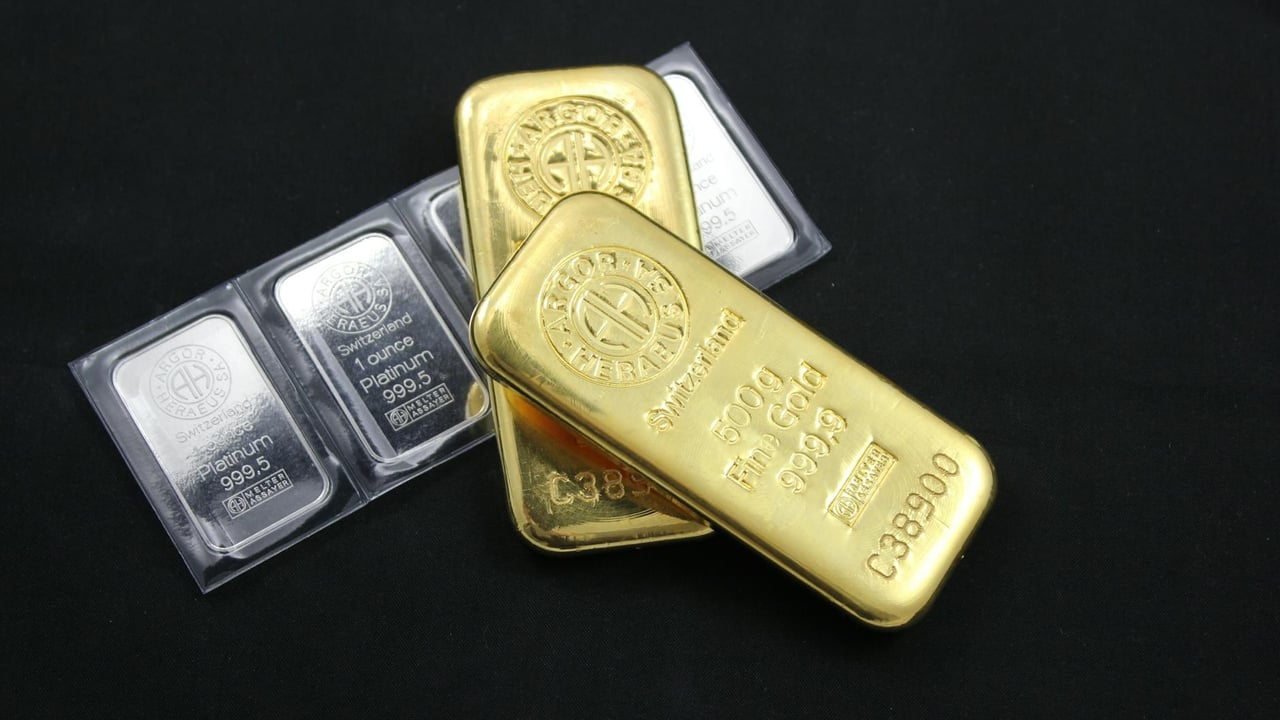
Beneath that headline gain lay significant sector divergence. The sci‑tech heavy STAR 50 (科创50) was a standout, gaining more than 12% over the month, while the large‑cap Shanghai 50 experienced a volatile stretch that included a run of six consecutive daily declines. Precious‑metals miners provided some of the most dramatic returns: Zijin Mining (紫金矿业) hit an all‑time high and a clutch of smaller miners posted triple‑digit gains — Hunan Silver surged about 175% and Sichuan Gold roughly 137% in January.
Technology‑adjacent winners also proliferated. AI application plays exploded higher, with software firm Zhuoyi Information nearly doubling and marketing group BlueFocus seeing its share price more than double. Commercial space names were intermittently strong too; China Satcom (中国卫通) reached a record price and briefly pushed its market capitalisation above RMB 200 billion. The market’s leaders rotated between resource and tech themes rather than moving in concert.
Liquidity underpinning the rally was conspicuous. Turnover on the Shanghai and Shenzhen exchanges exceeded RMB 2.5 trillion for 20 consecutive trading days, reflecting active domestic trading and a search for performance among hot names. That depth of trading combined with concentrated thematic interest — precious metals and AI were the dominant narratives — to create sharp winners but also heightened the potential for abrupt reversals.
Why the metals and miners? The immediate catalyst was a global run in spot gold and silver to new highs, which amplified gains in equities leveraged to those commodities. Small and mid‑cap miners, with thin free floats and speculative investor interest, showed especially strong moves. The AI strength, by contrast, appears driven by a renewed appetite for application‑level plays — firms that stand to monetise specific deployments of large language models and other generative tools rather than only chip‑level suppliers.
For foreign investors the January action is a reminder of two truths about China’s equity market: thematic, domestically driven rallies can produce outsized returns in tightly held names, but they often come with pronounced dispersion and risk. The combination of active retail flows, strong liquidity and concentrated hot sectors can lift indexes while leaving large caps or some benchmark constituents lagging. Going forward, markets will be sensitive to commodity price moves, domestic policy signals on technology and capital markets, and global macro developments that affect safe‑haven demand for gold and other metals.