Xi Chairs Politburo Meeting to Lock In 2026 Agenda as China Enters the 15th Five‑Year Cycle

The CCP Politburo, chaired by Xi Jinping, reviewed and approved 2026 work plans for five major party‑led state organs and the Central Secretariat, praising their 2025 performance and demanding strict implementation of the party centre’s directives. The meeting frames 2026 as the start of the 15th Five‑Year Plan and emphasises political unity, disciplined party governance and a stability‑first approach to economic and institutional priorities.

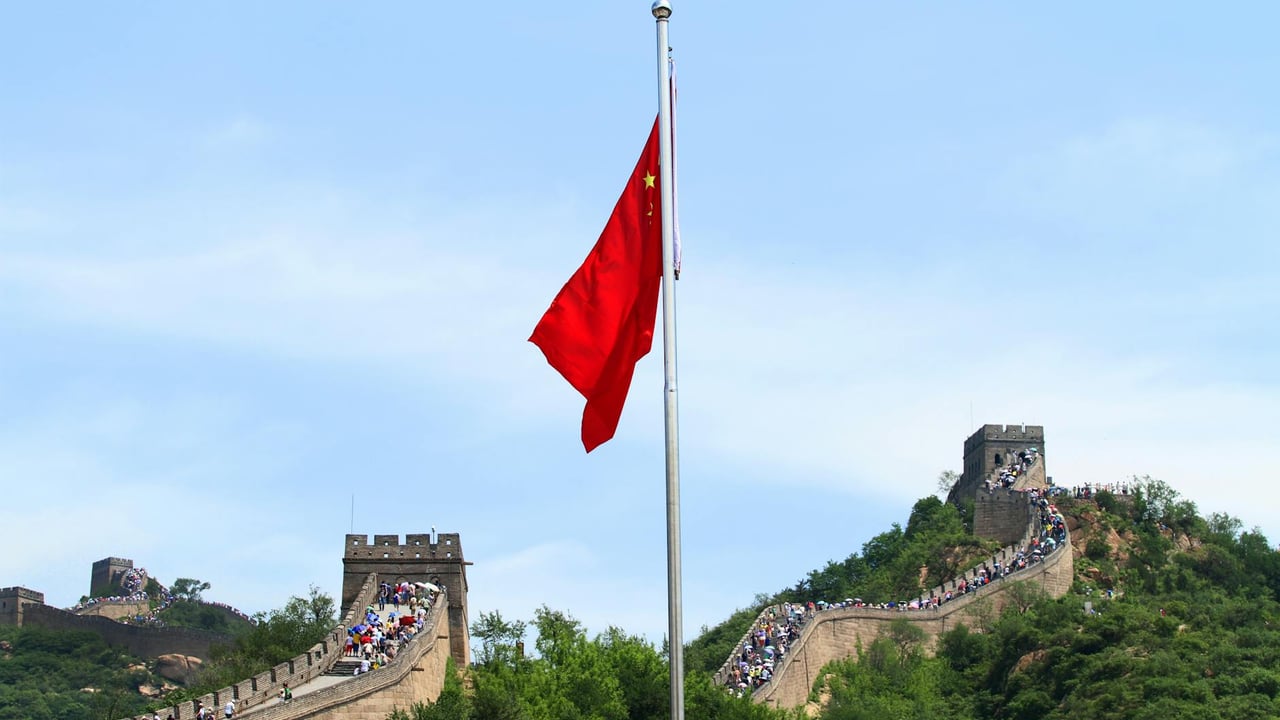
A scenic view of the Great Wall of China with the Chinese national flag in Beijing.

Key Takeaways

  • 1Xi Jinping chaired a Politburo meeting that reviewed a consolidated report on five central party groups and the Central Secretariat.
  • 2The Politburo approved the five organs’ 2026 work plans and praised their role in completing 2025 goals and closing the 14th Five‑Year Plan.
  • 32026 was designated as the opening year of the 15th Five‑Year Plan; the Politburo ordered strict implementation of the 20th Central Committee’s decisions and a ‘stability while seeking progress’ policy stance.
  • 4The meeting emphasised strengthening party discipline, reducing formalism at the grassroots, and ensuring the Central Secretariat delivers on Politburo directives.
  • 5The session signals continued centralisation of authority under Xi and the political orientation of state institutions, with implications for governance, the rule of law and economic policy.

Editor's
Desk

Strategic Analysis

This Politburo meeting is a procedural affirmation with strategic weight. By formally endorsing the 2026 plans of key state organs and reiterating the primacy of Xi Jinping Thought and centralised leadership, Beijing is signalling a disciplined, top‑down start to the 15th Five‑Year Plan. Expect coordinated measures that prioritise macroeconomic stability, delivery of headline growth and employment targets, and tighter political oversight of judicial and administrative bodies. For markets and foreign governments, the message is twofold: policy predictability may increase because decisions will be centrally coordinated, but so will political considerations in administrative and legal outcomes. Over time that combination tends to favour managed economic interventions alongside reinforced party control over institutions that elsewhere operate with more independence.

China Daily Brief Editorial
Strategic Insight
China Daily Brief

The Central Political Bureau of the Chinese Communist Party met on 30 January, with General Secretary Xi Jinping presiding, to review a consolidated report on the work of five leading party groups — the NPC Standing Committee, the State Council, the CPPCC, the Supreme People’s Court and the Supreme People’s Procuratorate — together with a report from the Central Secretariat. The Politburo gave broad approval to the five organs’ assessments of 2025 and signed off on their work plans for 2026.

The meeting framed the past year as one of steadfast adherence to Xi Jinping Thought and the authority of the party centre, crediting the five party groups with helping complete major targets for 2025 and closing out the 14th Five‑Year Plan. The Central Secretariat was singled out for carrying out party decisions, strengthening intra‑party regulations, guiding mass organisations and cutting forms of formalism to ease burdens on the grassroots.

Looking ahead, the Politburo stressed that 2026 is both the party’s 105th anniversary and the opening year of the 15th Five‑Year Plan. It urged the five party groups to implement the decisions of the 20th Central Committee and the fourth plenary session of its current term without deviation, to maintain “stability while seeking progress” and to align their work with the major strategic tasks of the new five‑year cycle in order to secure a strong start.

The meeting also reiterated internal governance priorities: strengthening party discipline, shouldering the responsibilities of strict party governance, and promoting a correct conception of political achievement. The Central Secretariat was instructed to synchronise closely with Politburo directives and to ensure high‑quality delivery of tasks assigned by the party centre.

For an international audience, the session underscores continuity rather than change. It signals a further consolidation of top‑down political control as Beijing transitions into a new planning period, and sets expectations that state institutions — including the judiciary and prosecutorial organs — will continue to be oriented first and foremost toward political loyalty and implementation of central policy. That orientation will shape China’s economic stewardship in 2026 and influence how foreign actors interpret Beijing’s policy predictability and legal environment.

Share Article

Related Articles

📰
No related articles found